Okinawa rental car review: Orix Rent a Car and how to use unmanned parking lots
Okinawa, Japan is one of those easy getaway destinations with a short flight time and great weather,
which is why it’s so popular for trips with kids, family vacations with parents,
and even babymoon travel.
Once you factor in Okinawa’s layout, limited public transportation,
and the needs of travelers with children or older parents,
renting a car in Okinawa really feels essential.
Without a car, you’re mostly limited to sightseeing around central Naha,
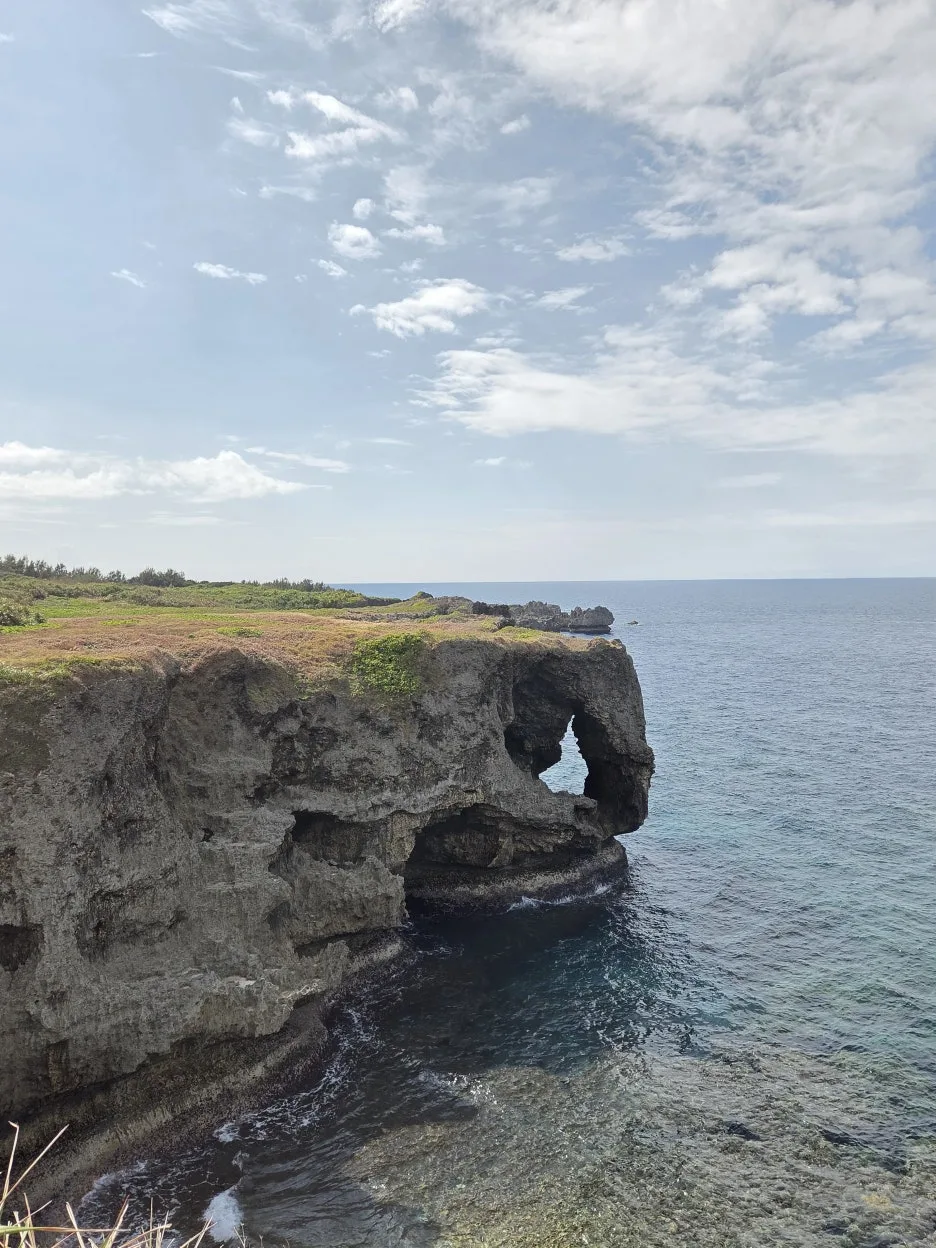
which means it’s hard to properly visit Okinawa’s biggest attractions
like Churaumi Aquarium,
Cape Manzamo, and Kouri Bridge.
After using a rental car myself for 6 nights and 7 days,
I found that driving a right-hand-drive car got easier surprisingly fast,
and parking was well set up almost everywhere,
so it was nice being able to get around without stressing about transportation.
Of course, the downside is that the driver can’t drink…
Okinawa Rental Car Review: How to Book a Car
We booked through Klook,
because it lets you compare rental car companies at a glance
and quickly check the lowest price.
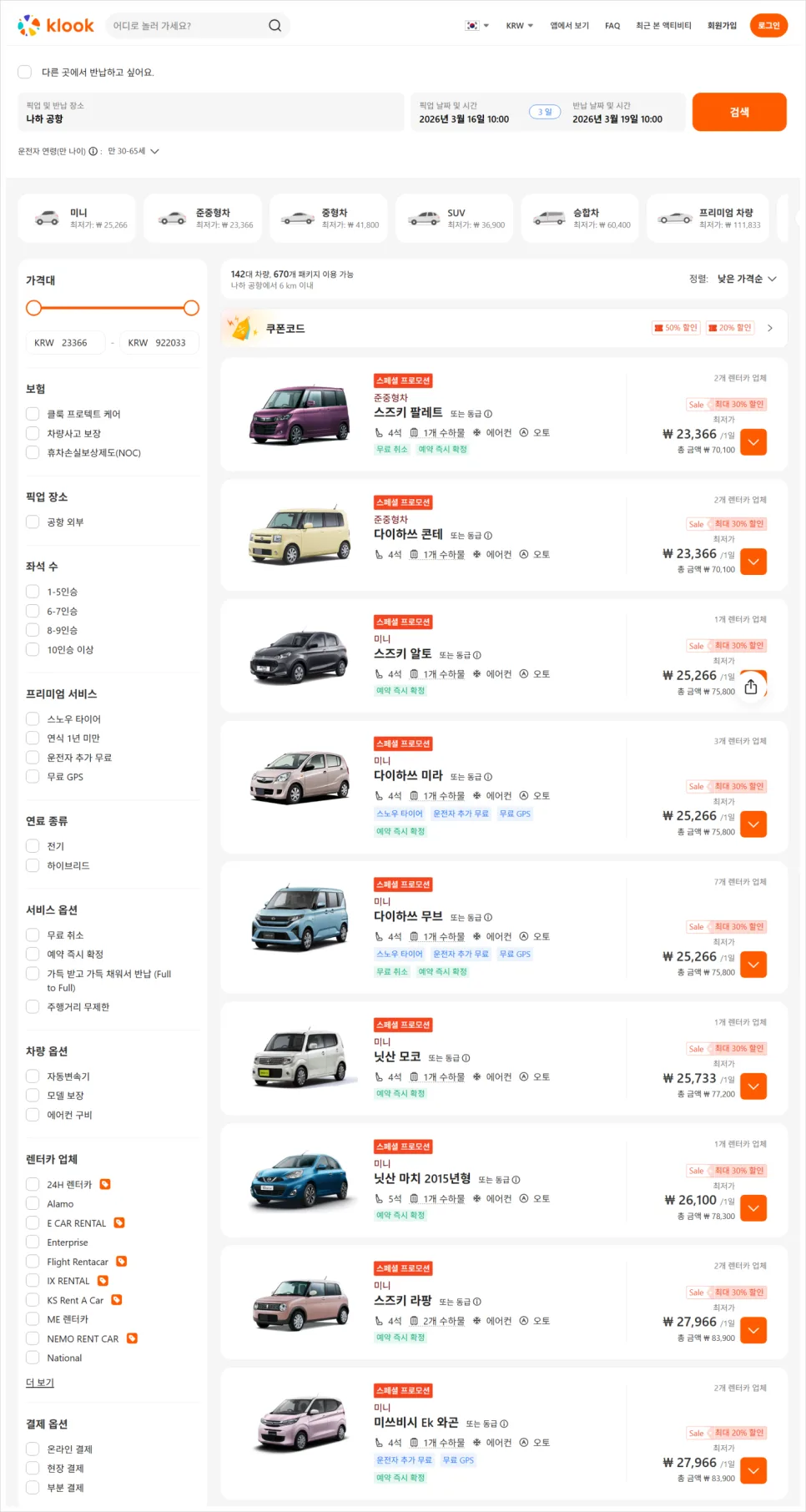
You can filter by vehicle size, price range, fuel type,
and rental company,
so it’s easy to find a car that matches exactly what you need.
Everything is available in Korean, which makes it convenient,
and you can also view prices in KRW.
Best Okinawa Rental Car Companies Compared
There are so many companies and car types out there
that if you’re not sure which one to choose,
this comparison table should help.
|
Comparison |
Recommended Companies |
Features |
|
Most popular |
Toyota, Orix |
Two of Japan’s biggest rental brands. They’re widely used, highly trusted, and have large fleets, so you’re less likely to run into sold-out dates. |
|
Best value |
Times, Budget |
These larger companies run promotions often, so they frequently show up as the cheapest options on Klook and similar booking sites. |
|
Premium cars & vehicle condition |
Nippon, Oasis |
Nippon focuses heavily on newer cars, often under 3 years old, so the condition is excellent. Oasis specializes in premium vans like the Alphard. |
|
Korean-language support |
You I, ZH Rent-a-Car |
These are popular with first-time travelers because they either have Korean staff or strong Korean-language customer support. |
There are plenty of other companies too,
so even if a brand isn’t listed above,
you can still use it after checking reviews carefully.
Most companies offer things like airport shuttle service
and baby car seats,
so make sure to compare details like insurance coverage, vehicle age, and non-smoking cars
before booking.
How to Book a Rental Car on Klook
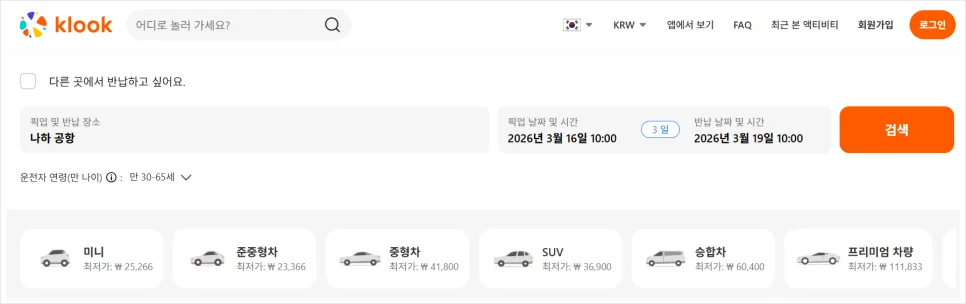
1. Go to the Klook rental car page
2. Set your location and dates (usually Naha Airport)
3. Choose your car size (mini, compact, SUV, etc.)
One tip: once you factor in luggage,
it’s usually better to book a car one size up
instead of choosing something that only exactly matches your passenger count.
We were 4 adults and 1 baby with a car seat,
so we rented a 7-seater van,
and even then it felt a little tight once all the suitcases were loaded in ^^;
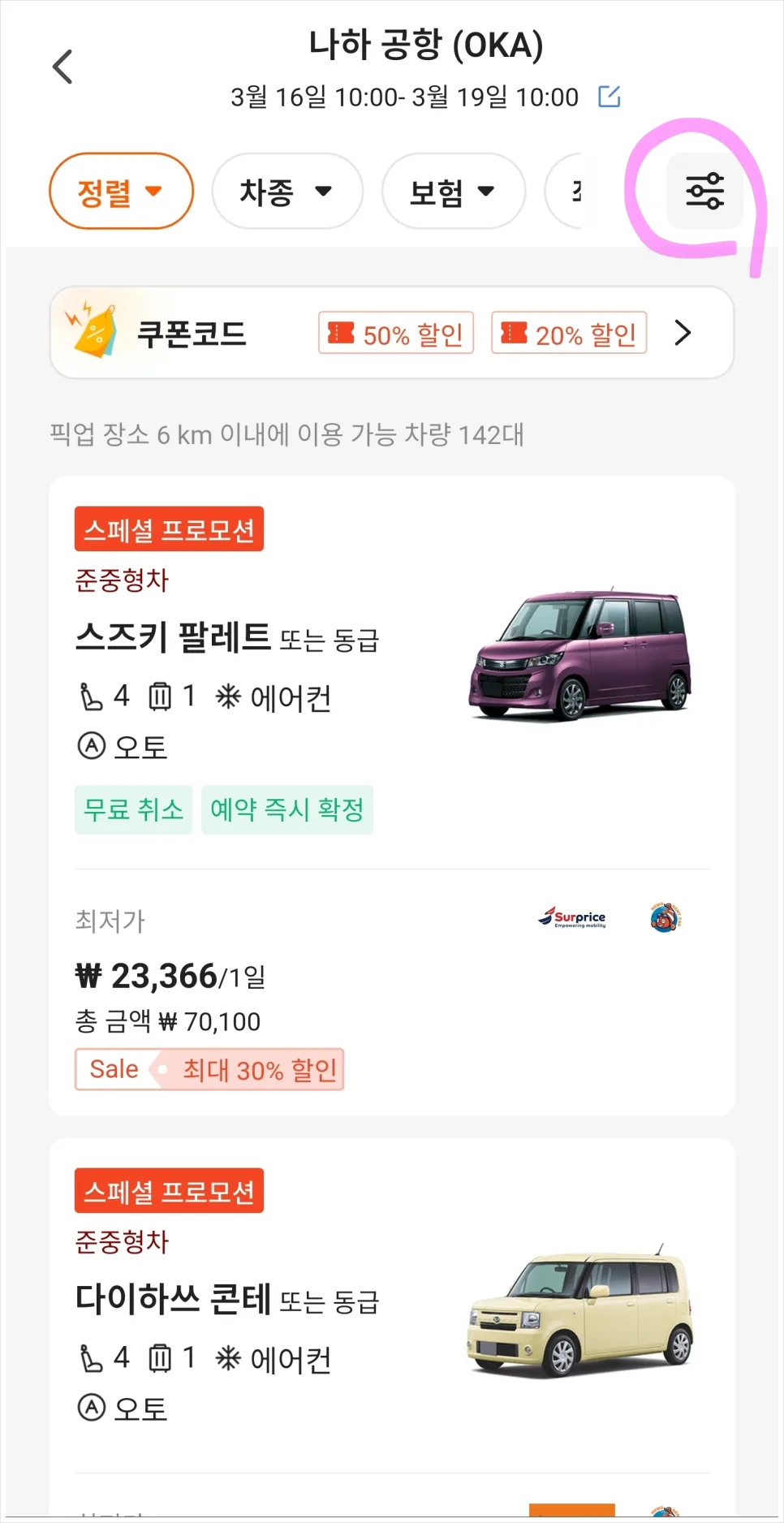
4. Filter by the conditions you want
Insurance, number of seats, fuel type, free cancellation, and more
5. Pick your car
Choose based on your group size and number of suitcases
6. Enter the driver’s information
7. Pay and check your voucher
After payment, carefully review the voucher
that arrives by email.

There are also ₩2,000, ₩3,000, and ₩7,000 discount coupons
available through March,
so it’s worth grabbing them before they run out.
|
Coupon Code |
Usage Condition |
|
세시간전2601 |
₩2,000 off purchases over ₩50,000 |
|
세시간전2602 |
₩3,000 off purchases over ₩100,000 |
|
세시간전2603 |
₩7,000 off purchases over ₩300,000 |
Each of the 3 coupons can only be used once per account,
and they’re valid through March 31.
They apply to most Klook products except for some exclusions,
so even if you don’t use them for a rental car,
you can still use them on tickets or other bookings.
Klook Rental Car Insurance Options
If you’re wondering which insurance option to choose in step 4,
here’s the simple breakdown.
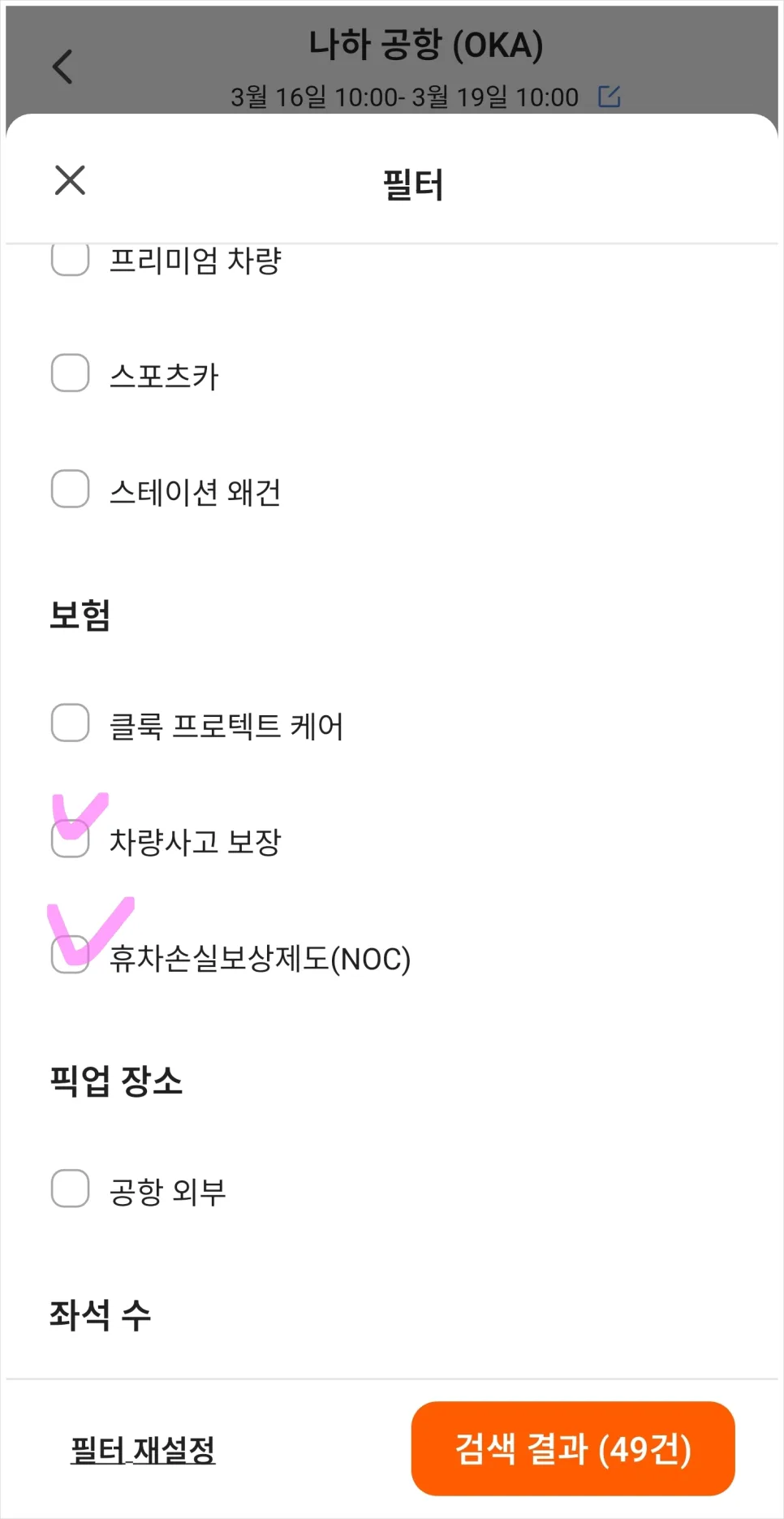
Klook Protect Care is more like travel insurance,
covering bodily injury for the driver and passengers,
so it’s not essential,
and honestly, separate travel insurance may be the better option.
Vehicle accident coverage removes the deductible
you’d otherwise have to pay for repairs after an accident.
The NOC option, or Non-Operation Charge coverage,
covers the loss the rental company charges
if the car can’t be rented out for a period of time after an accident.
Since these two cover different things,
choosing only one does not fully protect you.
If you want true full coverage so you don’t pay even a single yen out of pocket after an accident,
you need both the vehicle accident coverage and the NOC coverage.
If selecting both options makes your preferred car disappear from the results,
that usually means the rental company doesn’t support prepaid insurance through Klook.
In that case, you can book the car without those options
and add the extra coverage at the counter when you pick up the vehicle.
Where to Catch the Rental Car Shuttle at Naha Airport, Okinawa
Once your booking is set, the next step after landing at Naha Airport in Okinawa
is finding the rental car shuttle.
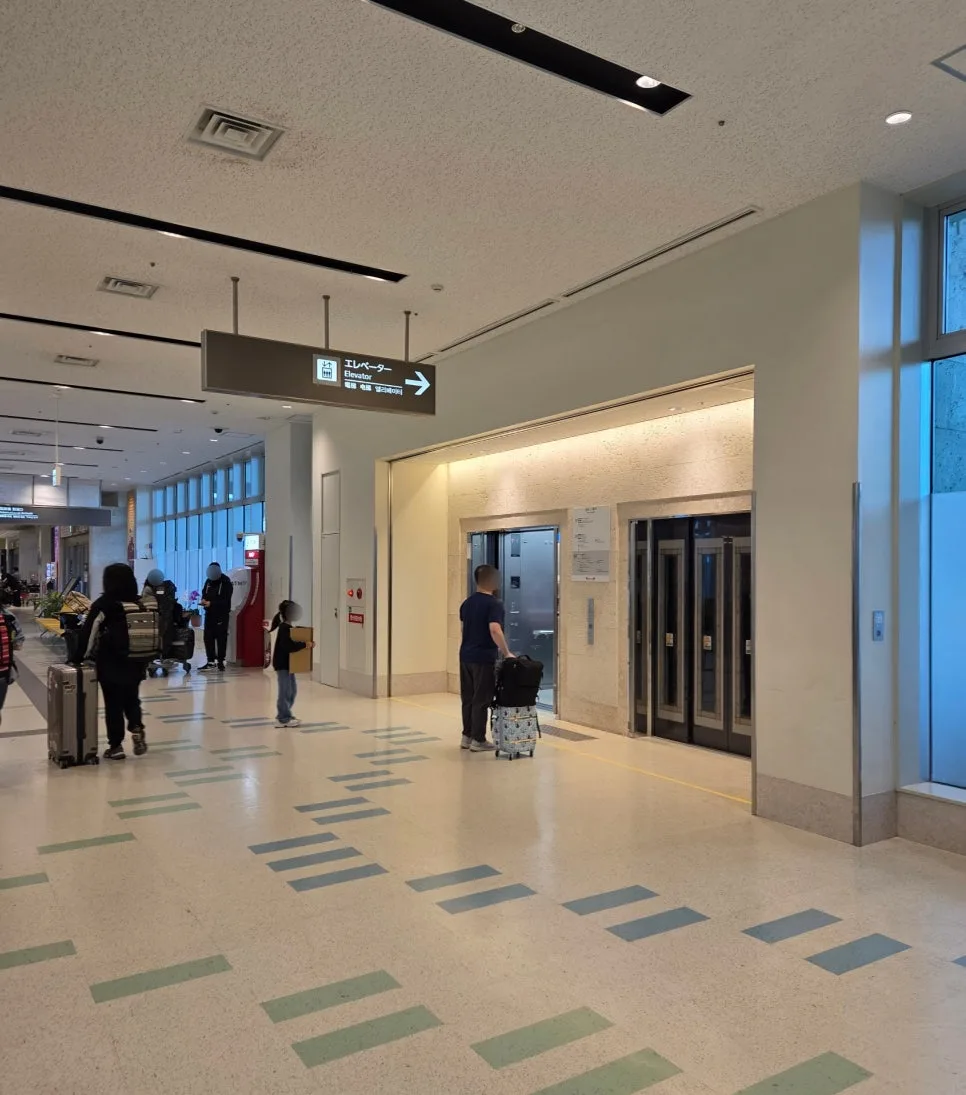
First, from the international arrivals floor,
take the elevator or escalator up to the second floor.
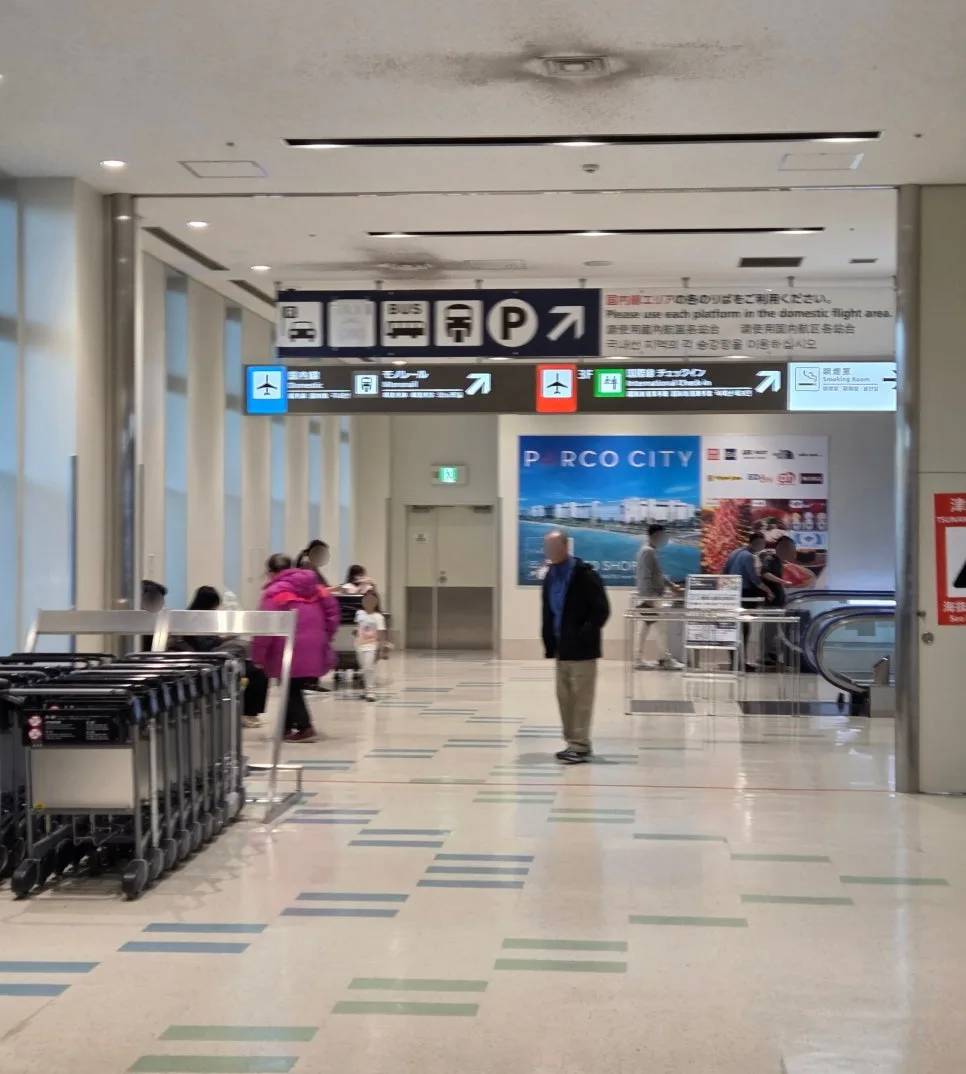
There are signs all over the airport for buses, taxis, and rental cars,
so just follow those.
You’ll need to head toward the domestic terminal,
which is connected to the international terminal.
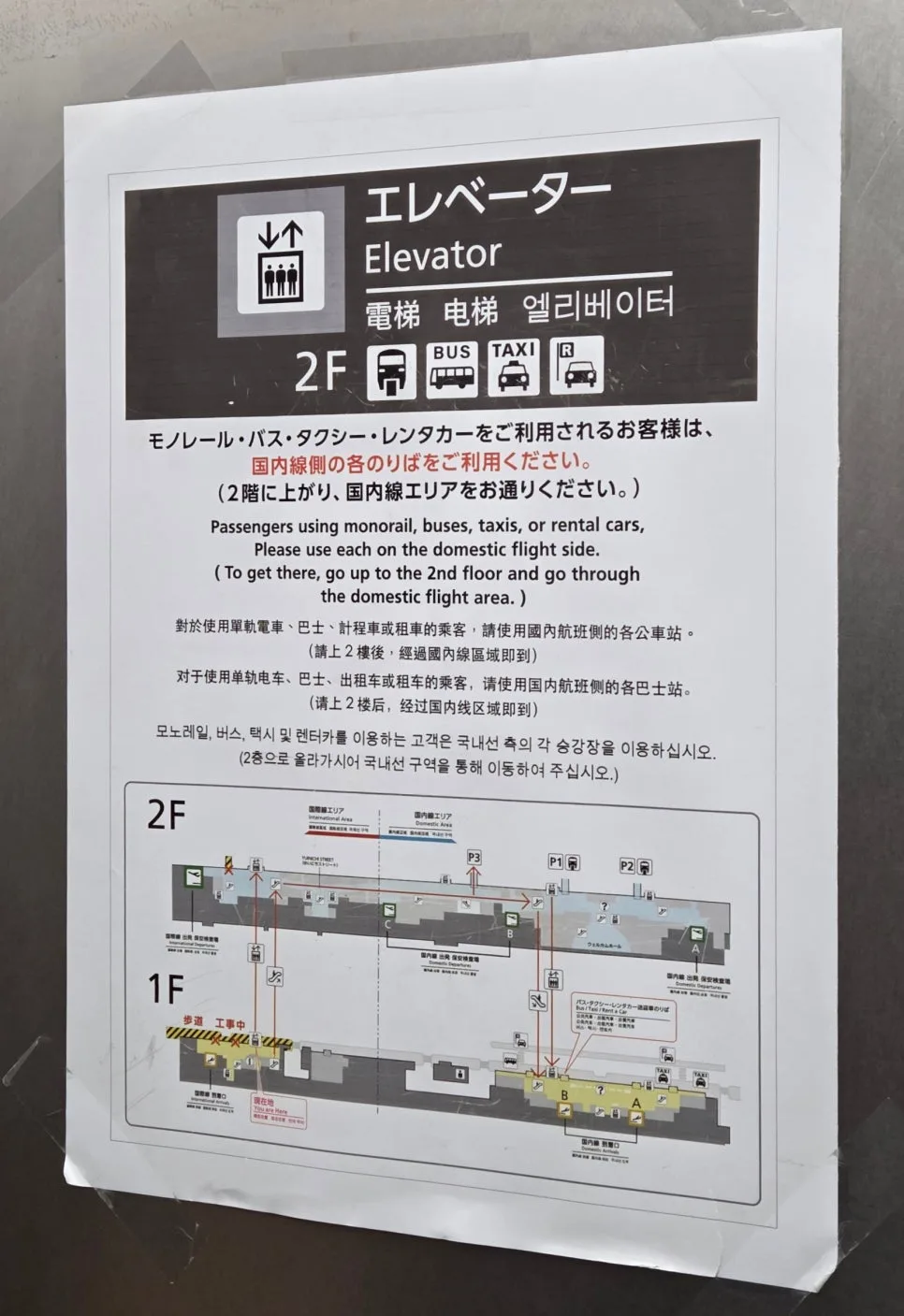
This map shows it clearly.
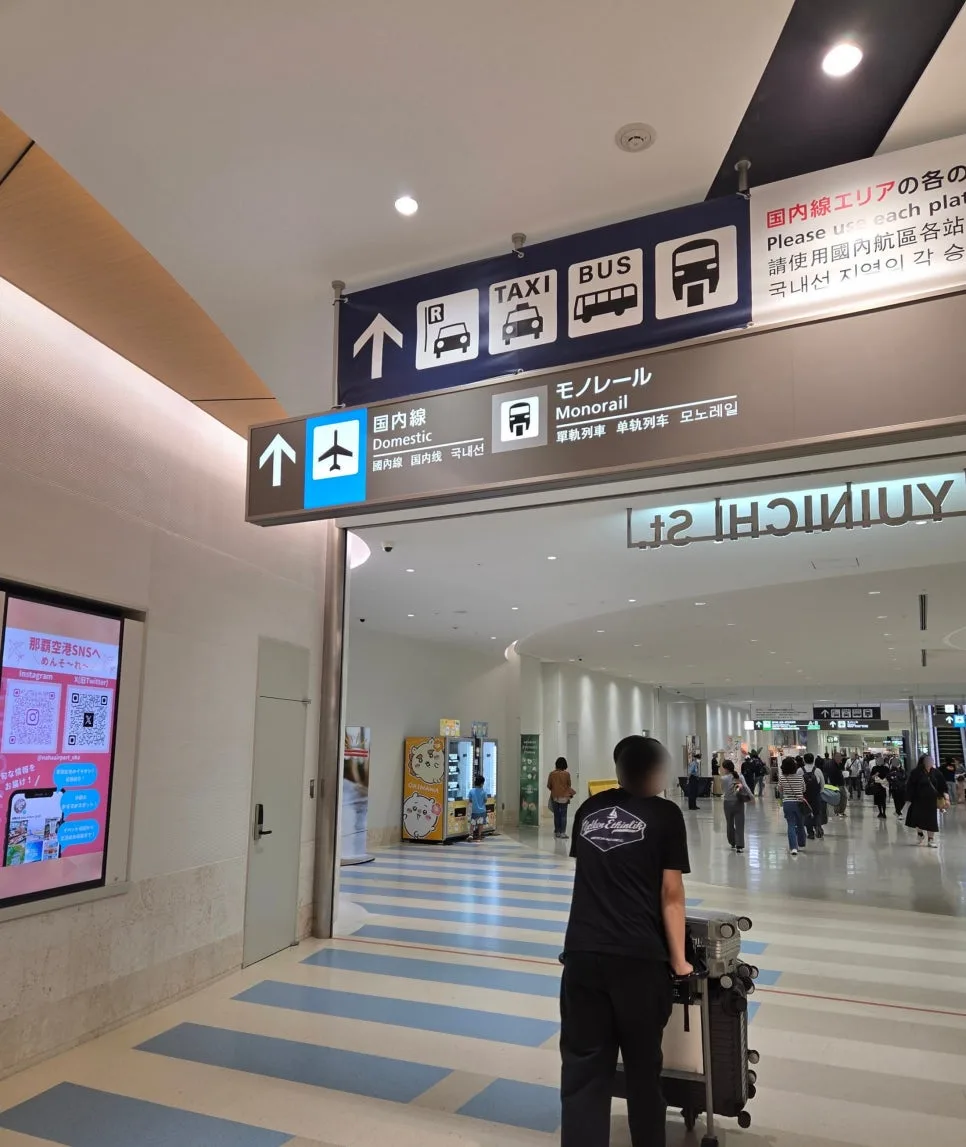
Once you cross into the domestic terminal side, keep walking straight,
follow the rental car sign marked with an R flag above a car,
and go back down to the first floor.
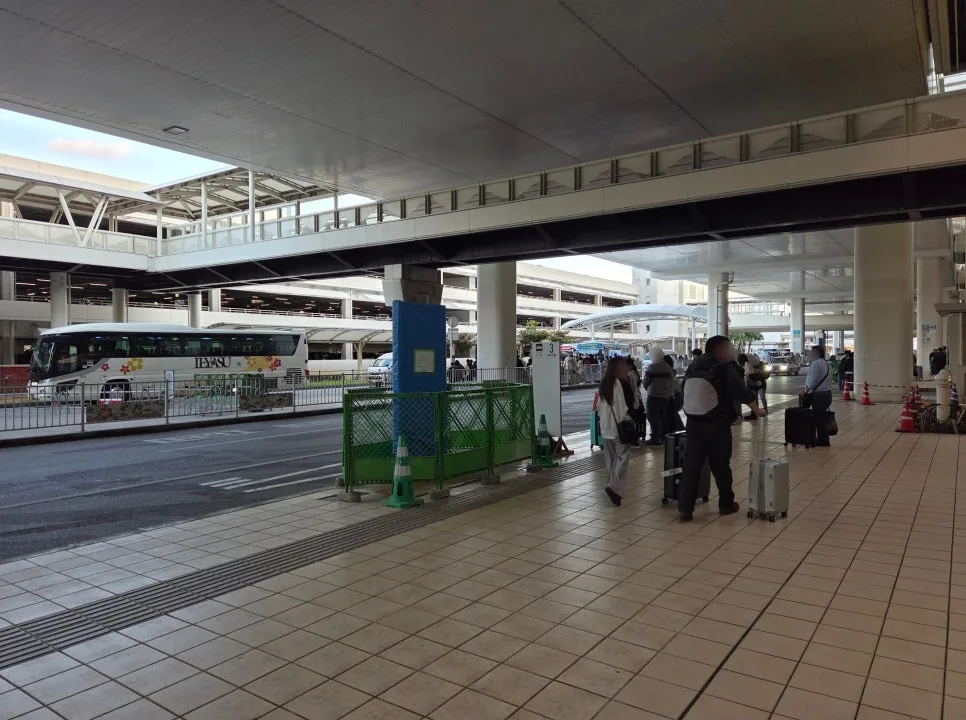
Go outside and cross one crosswalk,
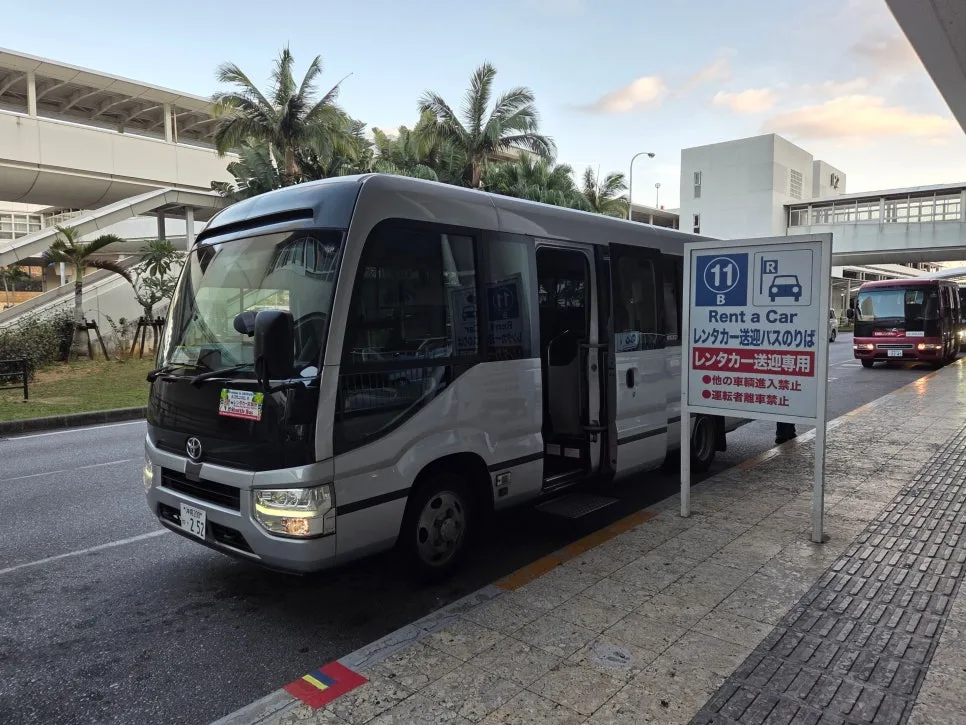
and you’ll see a whole line of rental car shuttle vehicles waiting there.
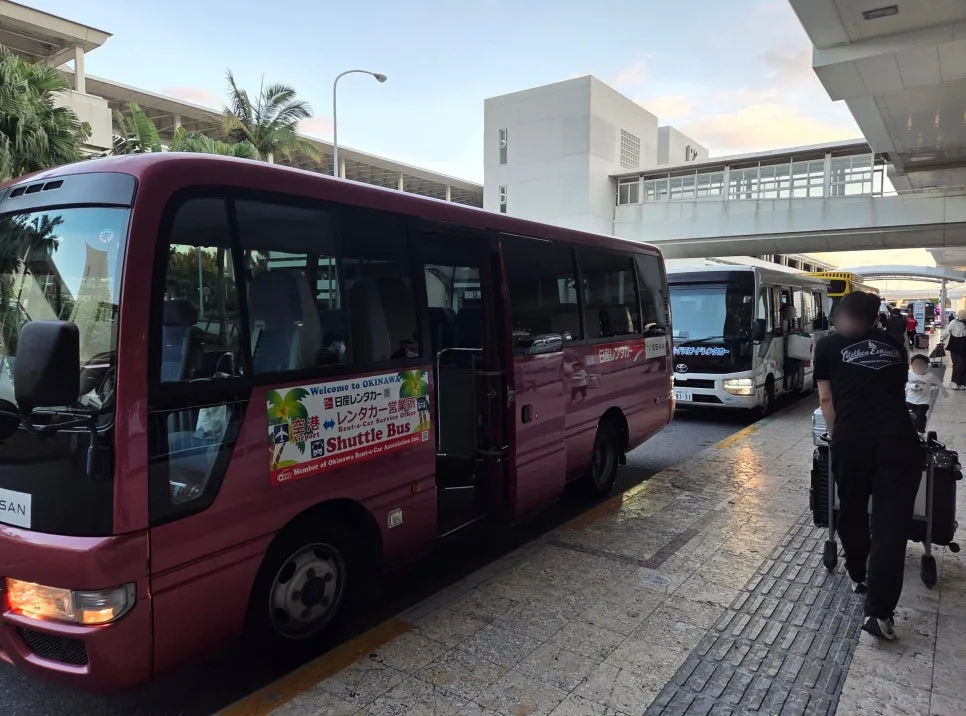
Your rental voucher usually includes the shuttle stop number,
so you can find it that way.
If not, just tell one of the staff members standing around
the name of your rental company,
and they’ll point you in the right direction.
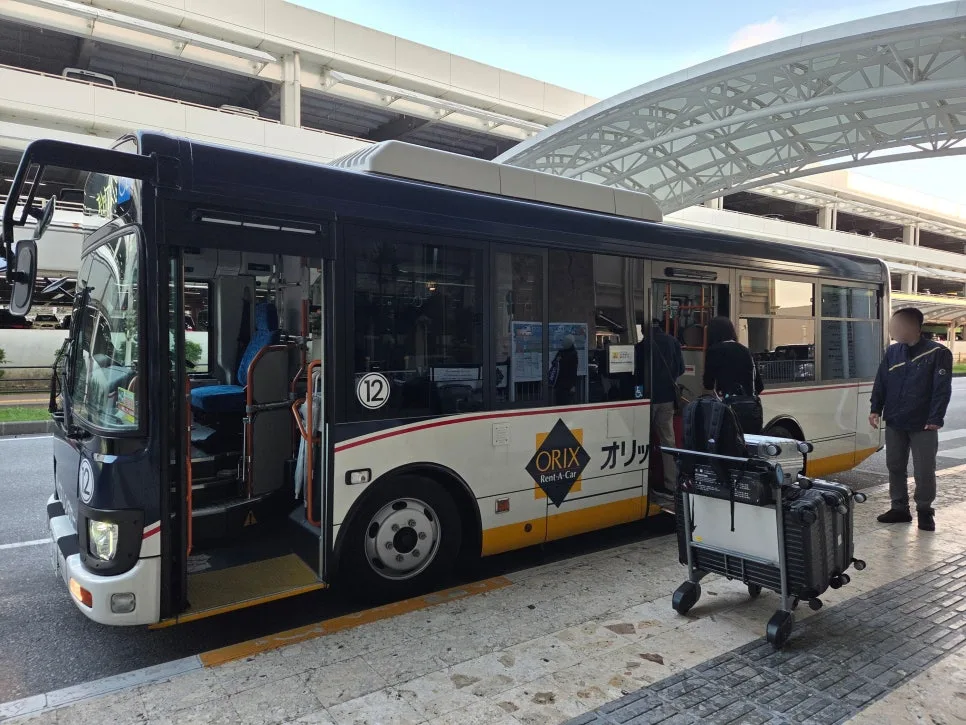
We used Orix,
and their shuttle bus definitely felt larger
and more comfortable than the others.
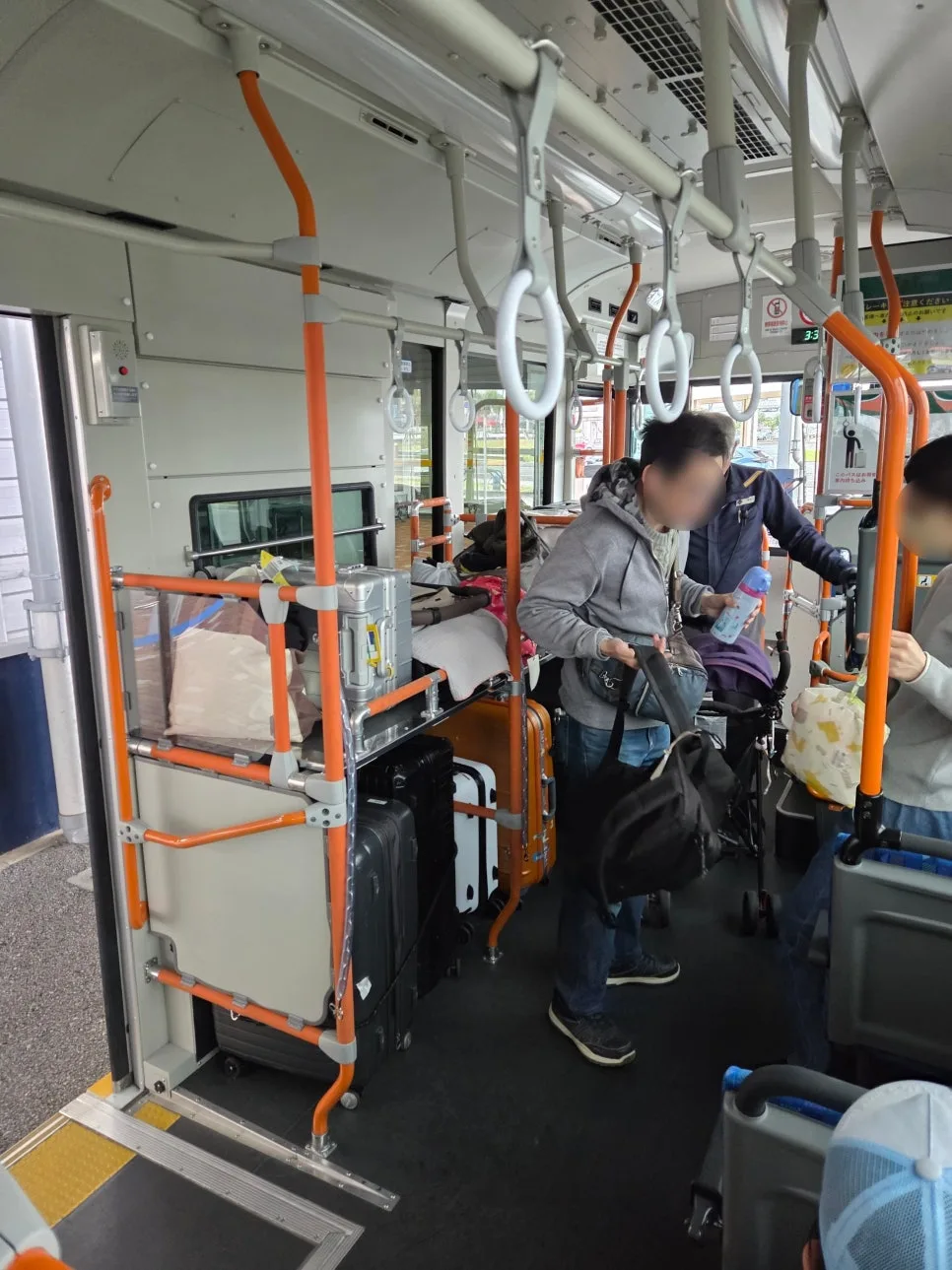
On board the shuttle,
there’s also a separate luggage storage area, which is handy.
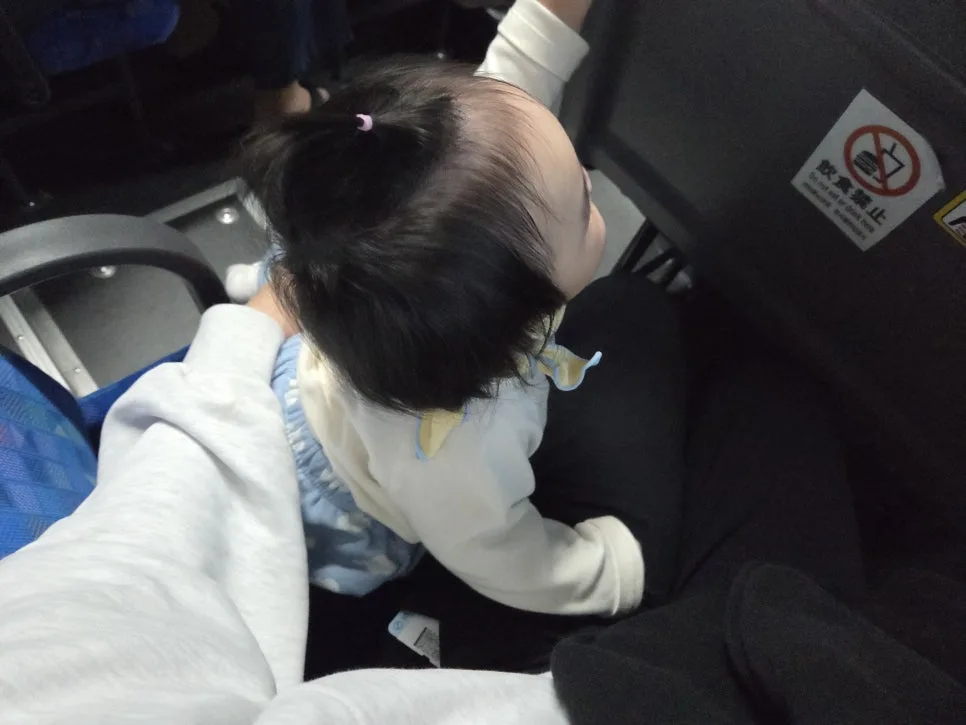
One thing to know: there are no car seats on the shuttle,
so we had no choice but to hold the baby during the ride.
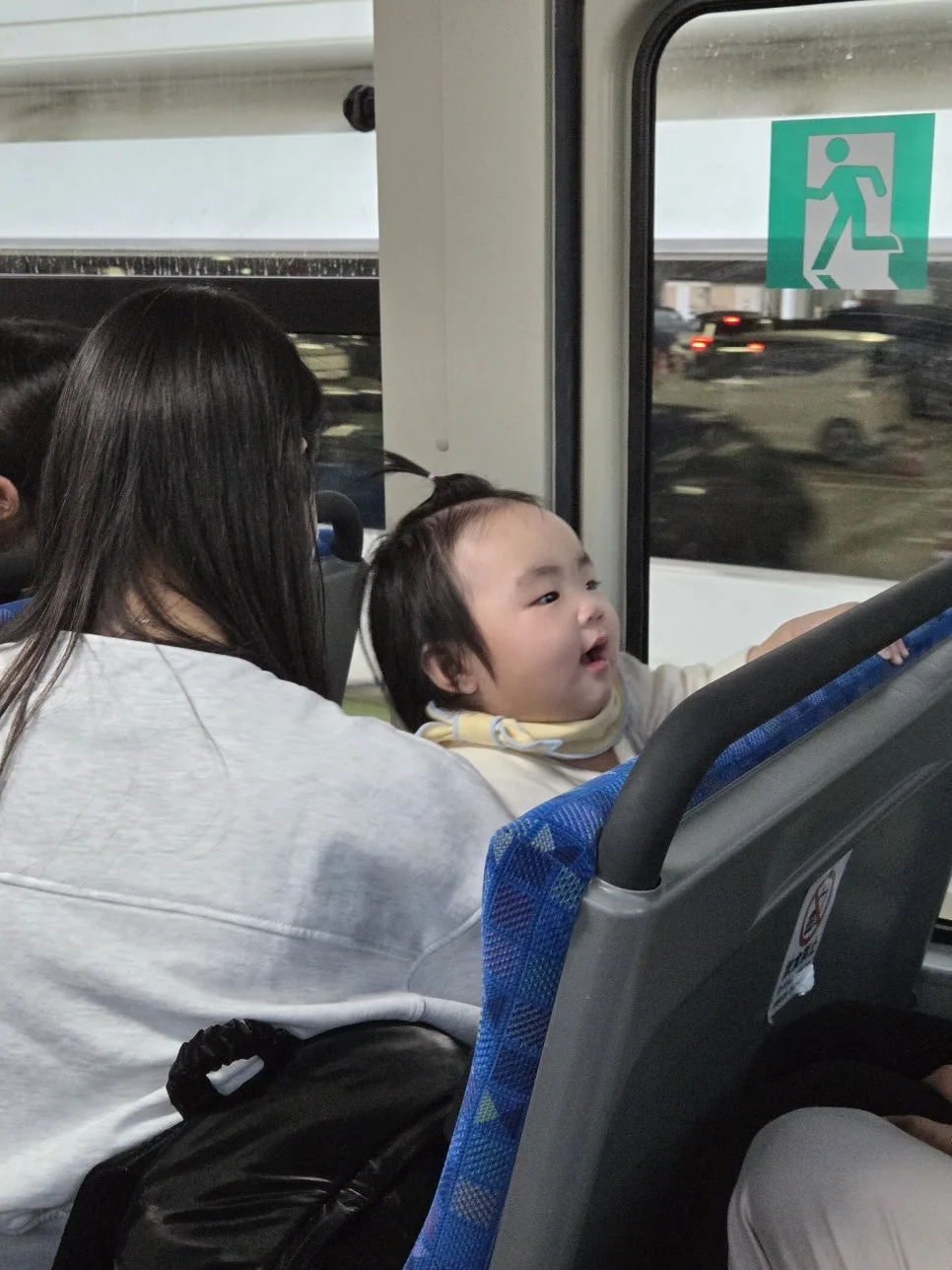
It usually takes about 15 to 20 minutes
to get to the rental office.
That’s not just an Orix thing—most rental companies
need a large lot, so their offices are a little outside the airport area.
That said, Orix runs frequent shuttles,
and ours left almost immediately because there weren’t many passengers.
It was a big bus, but only our family and one other family were on it,
and they still departed right away.
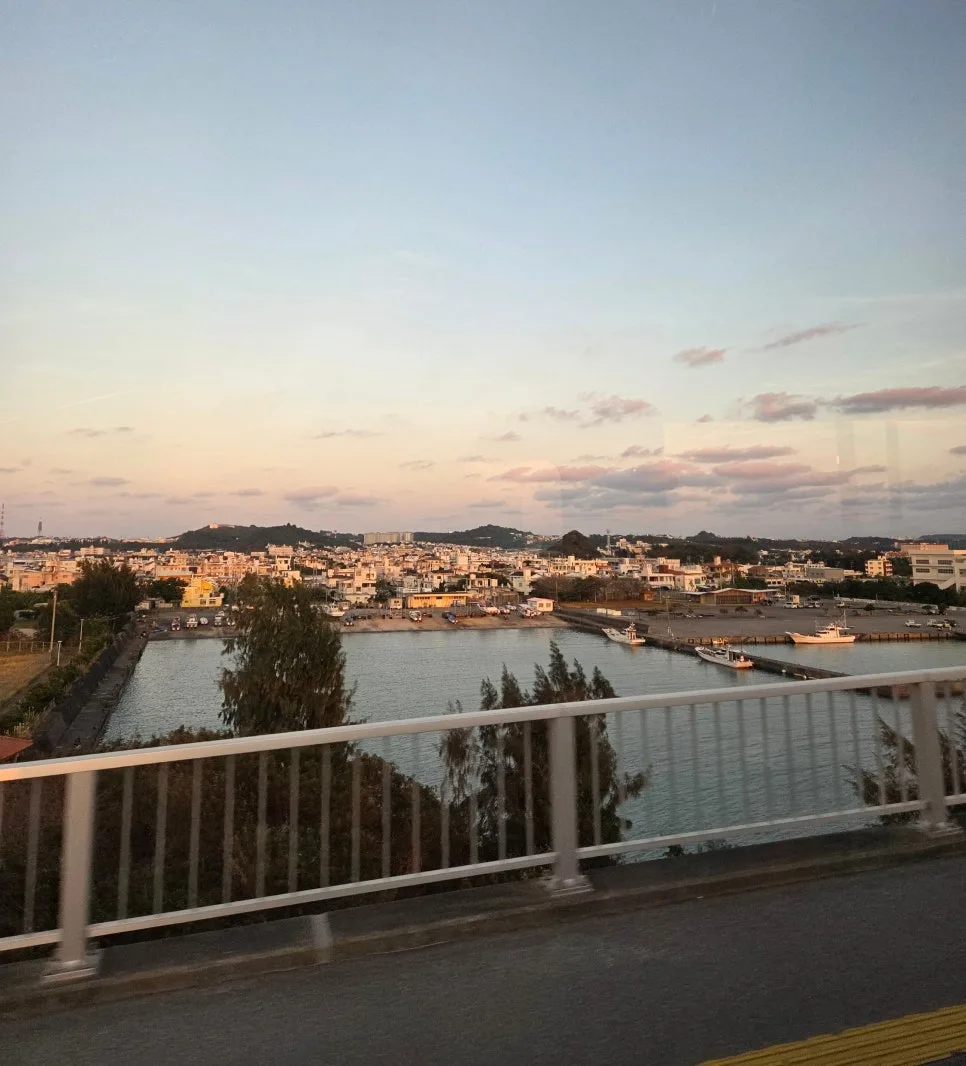
After a short ride with Okinawa scenery outside the window,
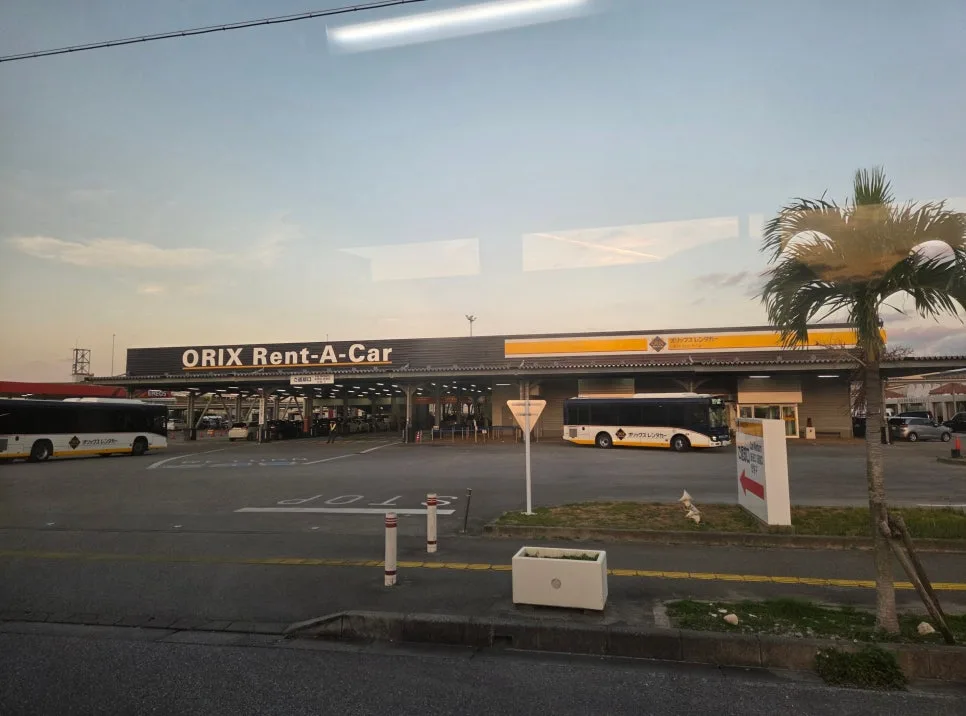
the rental office suddenly appears.
Picking Up the Car
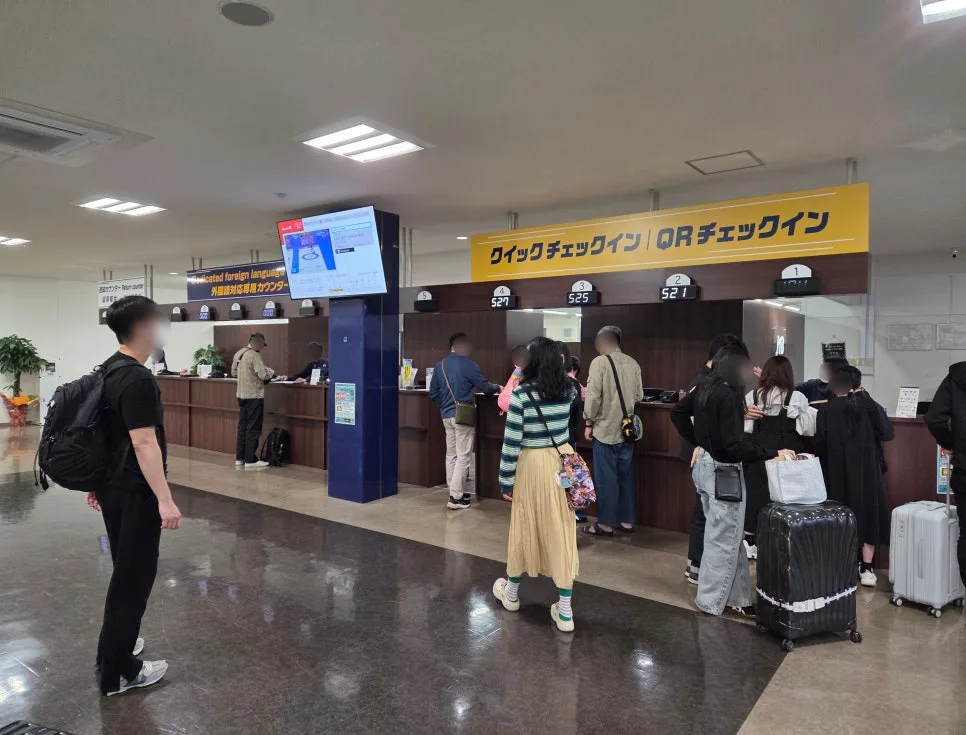
At the counter, they confirm your reservation,
go over a few details,
and then you’re ready to pick up the car.
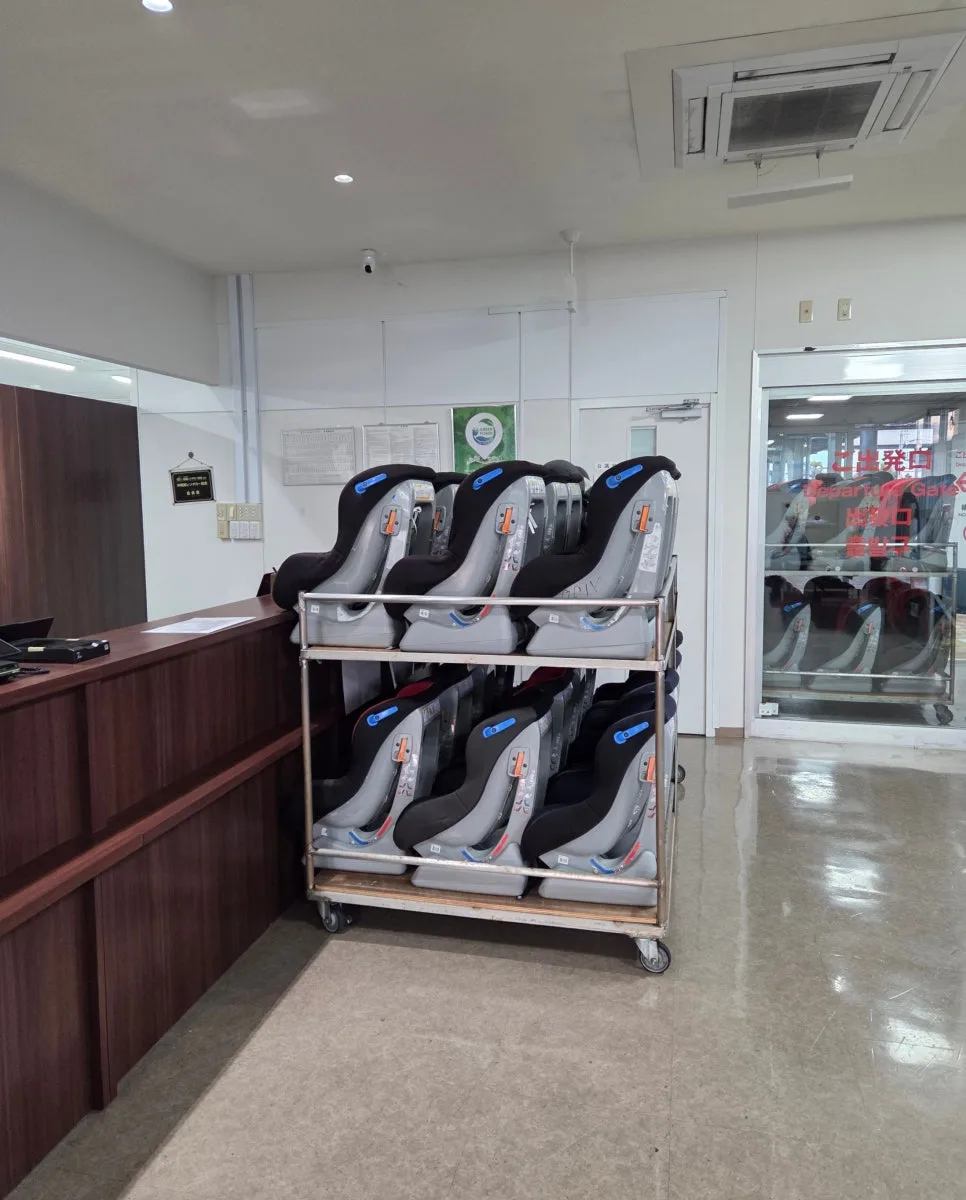
They had so many car seats available
that it honestly seemed unlikely they’d ever run out.
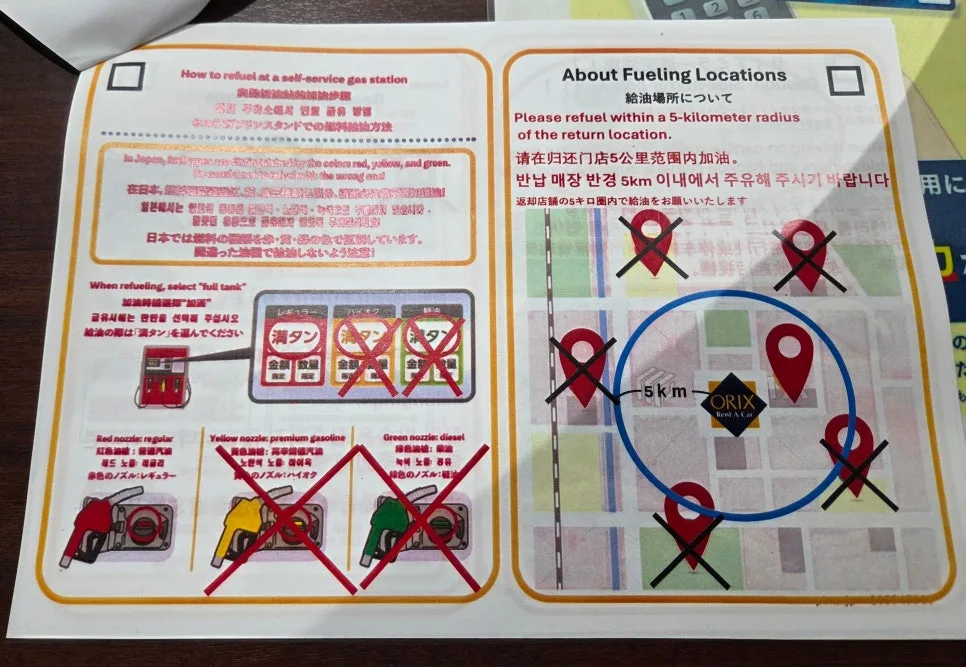
Before returning the car, you need to refuel at a gas station near the office
so you can bring it back with a full tank.
But the nearby gas stations are expensive…^^
If possible, it’s smarter to fill up most of the way somewhere cheaper
and only top it off near the branch at the end.
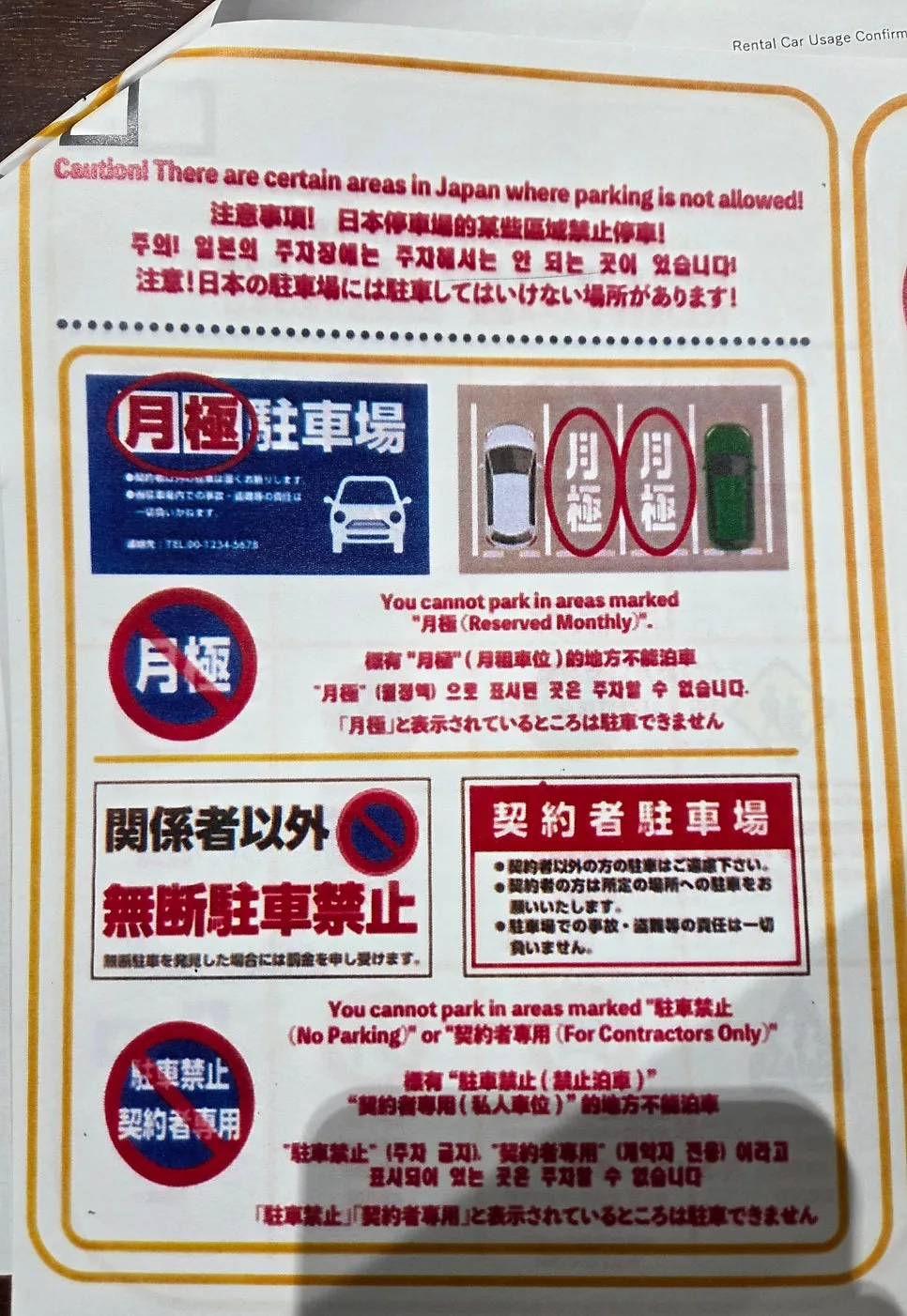
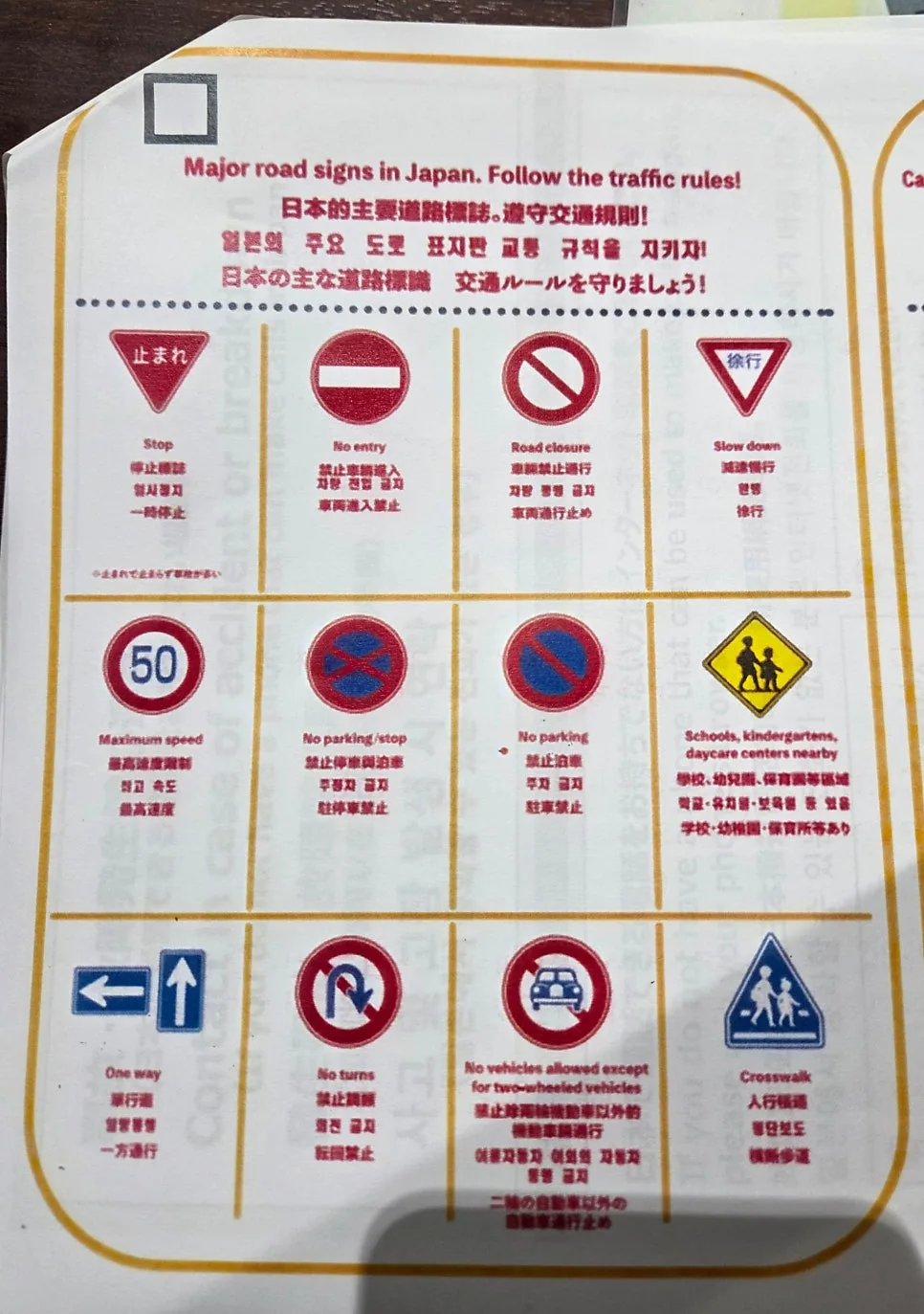
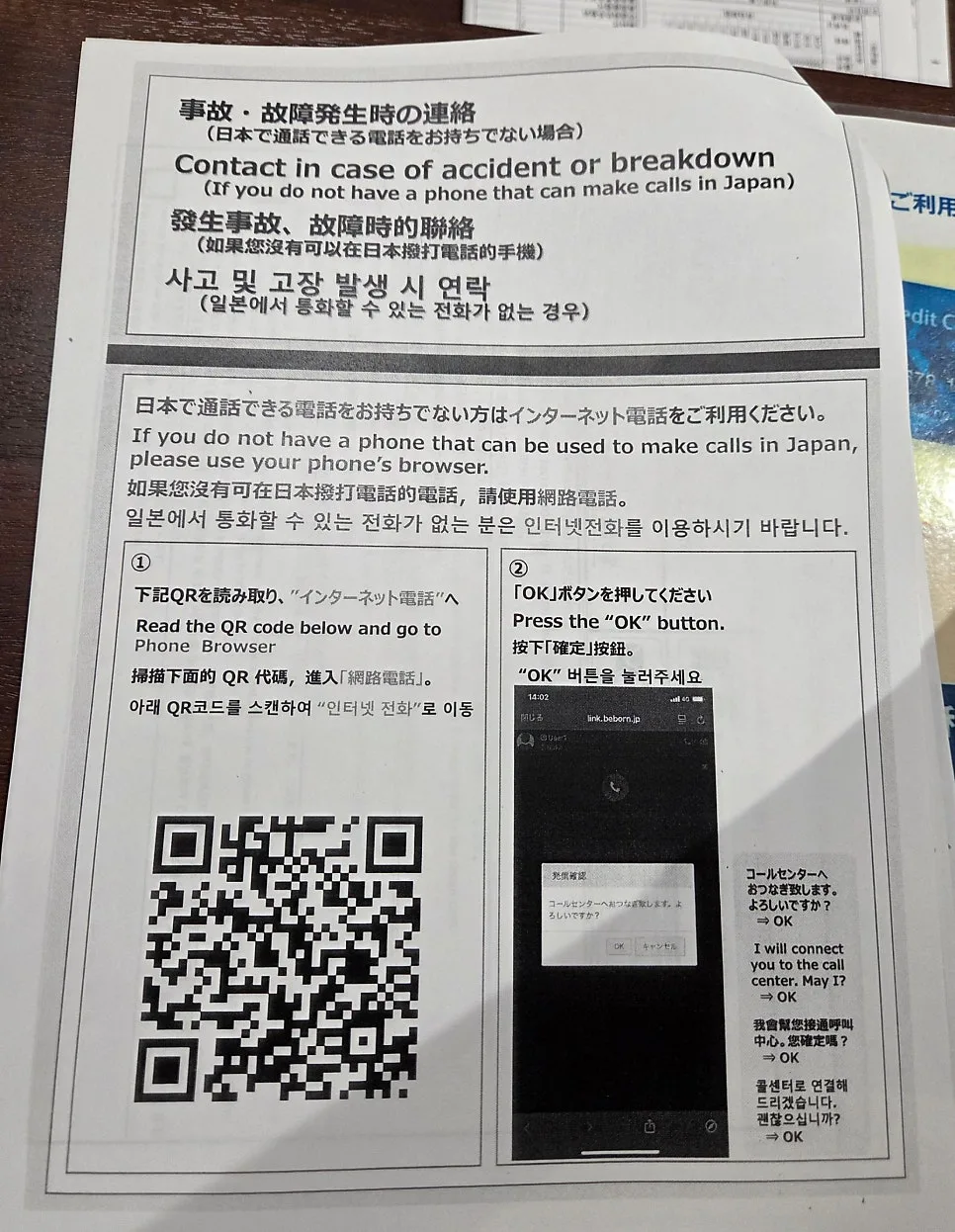
It’s worth reading through all of the instructions carefully too.
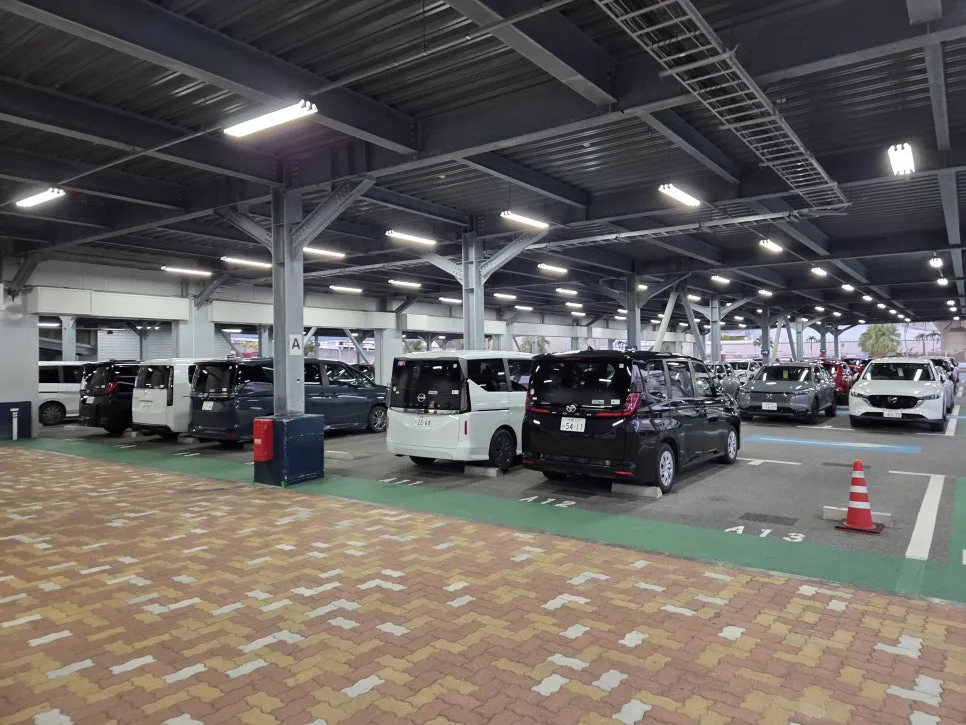
Time to go get the car—the parking lot is huge.
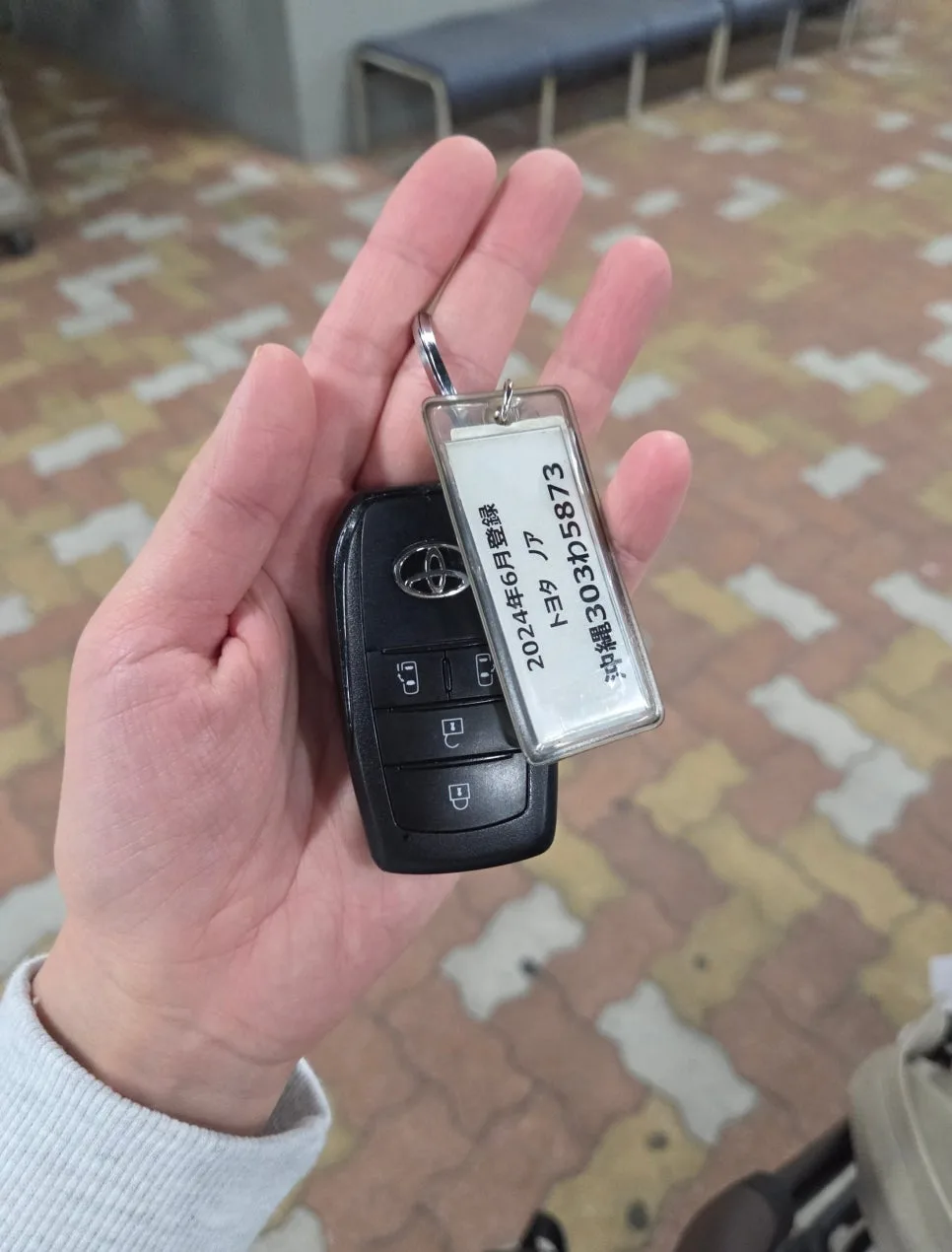
We got the keys, and the car was a June 2024 model,
so it felt incredibly new and clean.
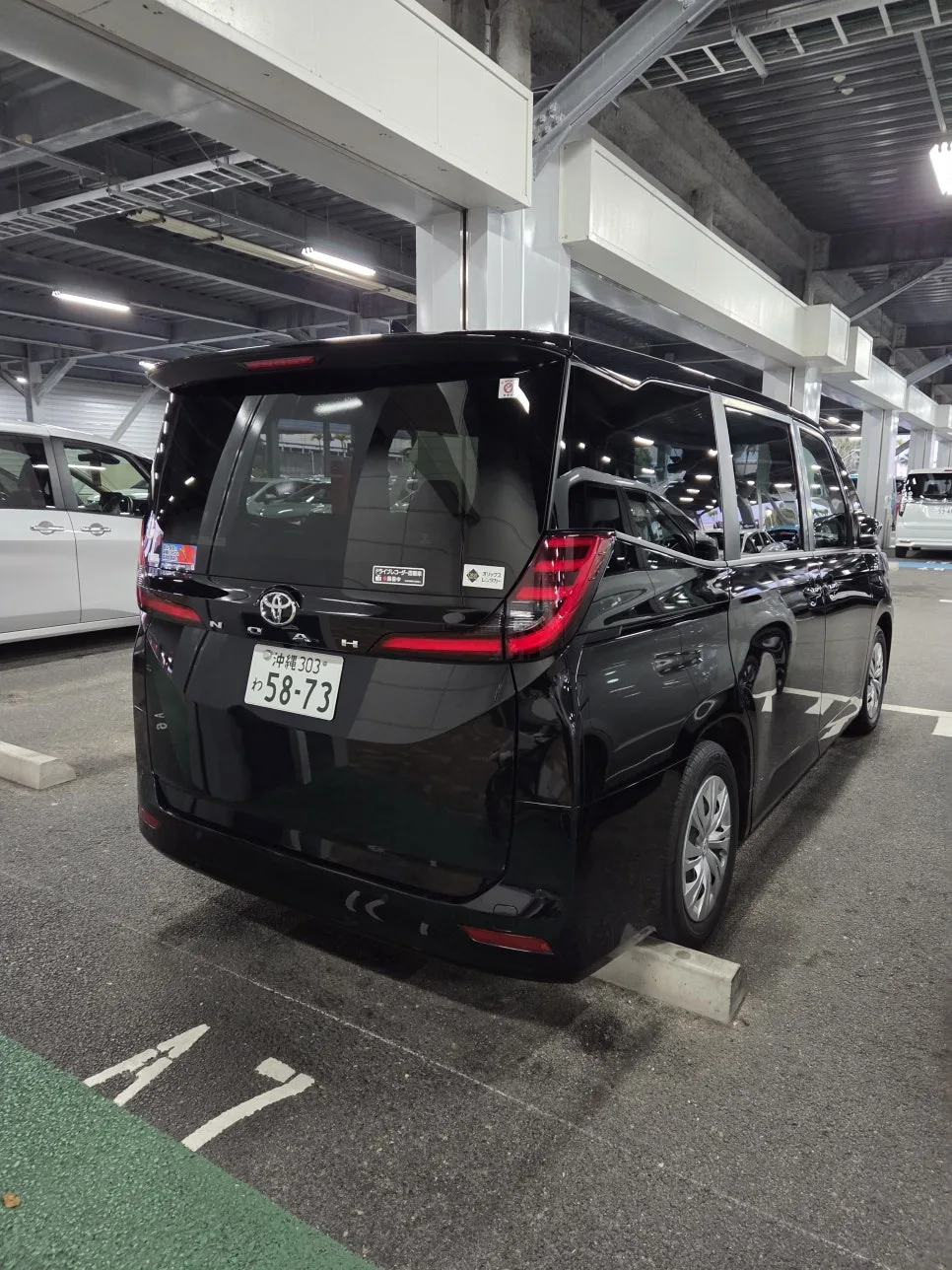
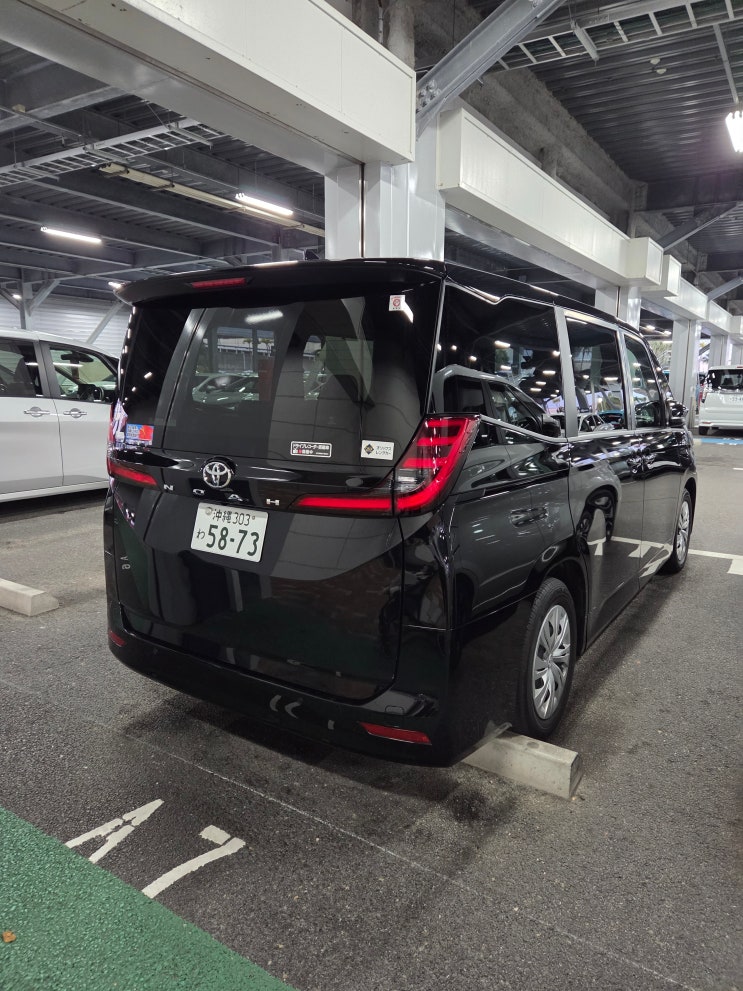
We originally booked a Toyota Voxy,
but rental companies can provide an equivalent vehicle instead,
and we ended up getting a Toyota Noah.
The Voxy and Noah are basically twins,
with the same frame, engine, interior space, and seat layout,
with only slight design differences.
So if you book a Voxy and get a Noah instead,
there’s really no reason to be disappointed.
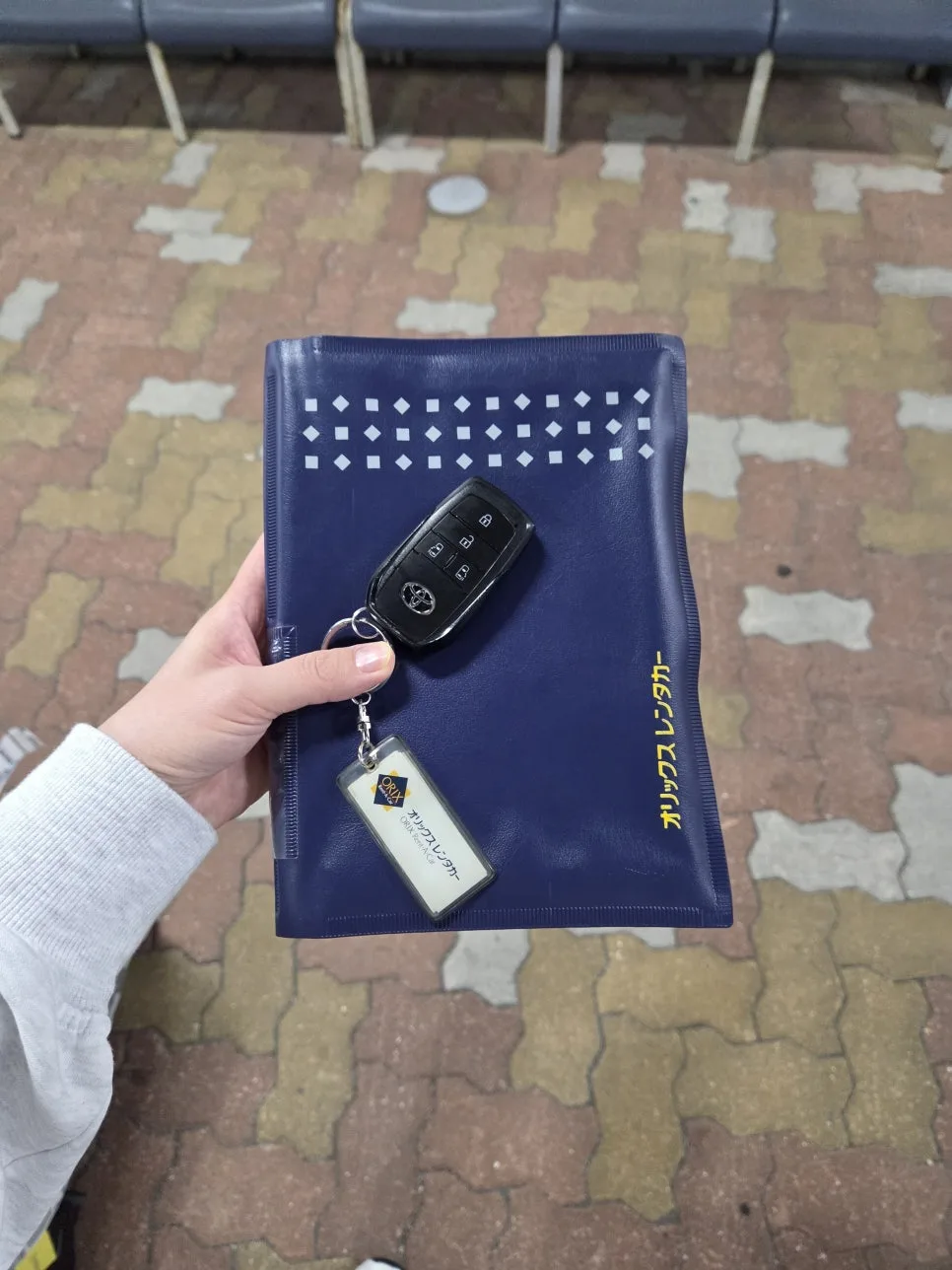
Just keep the rental car file in the vehicle
until it’s time to return it.
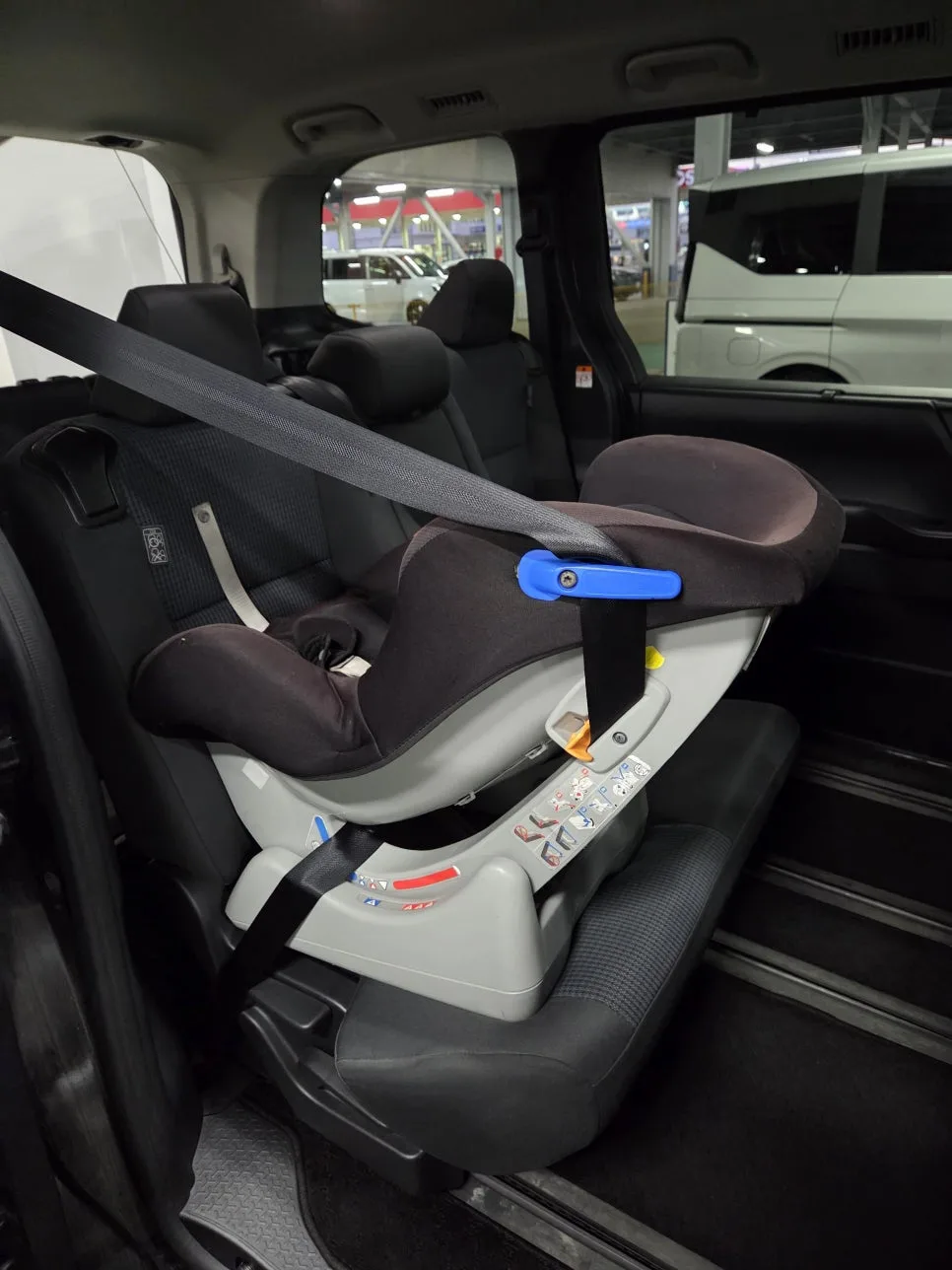
We checked that the car seat was installed securely,
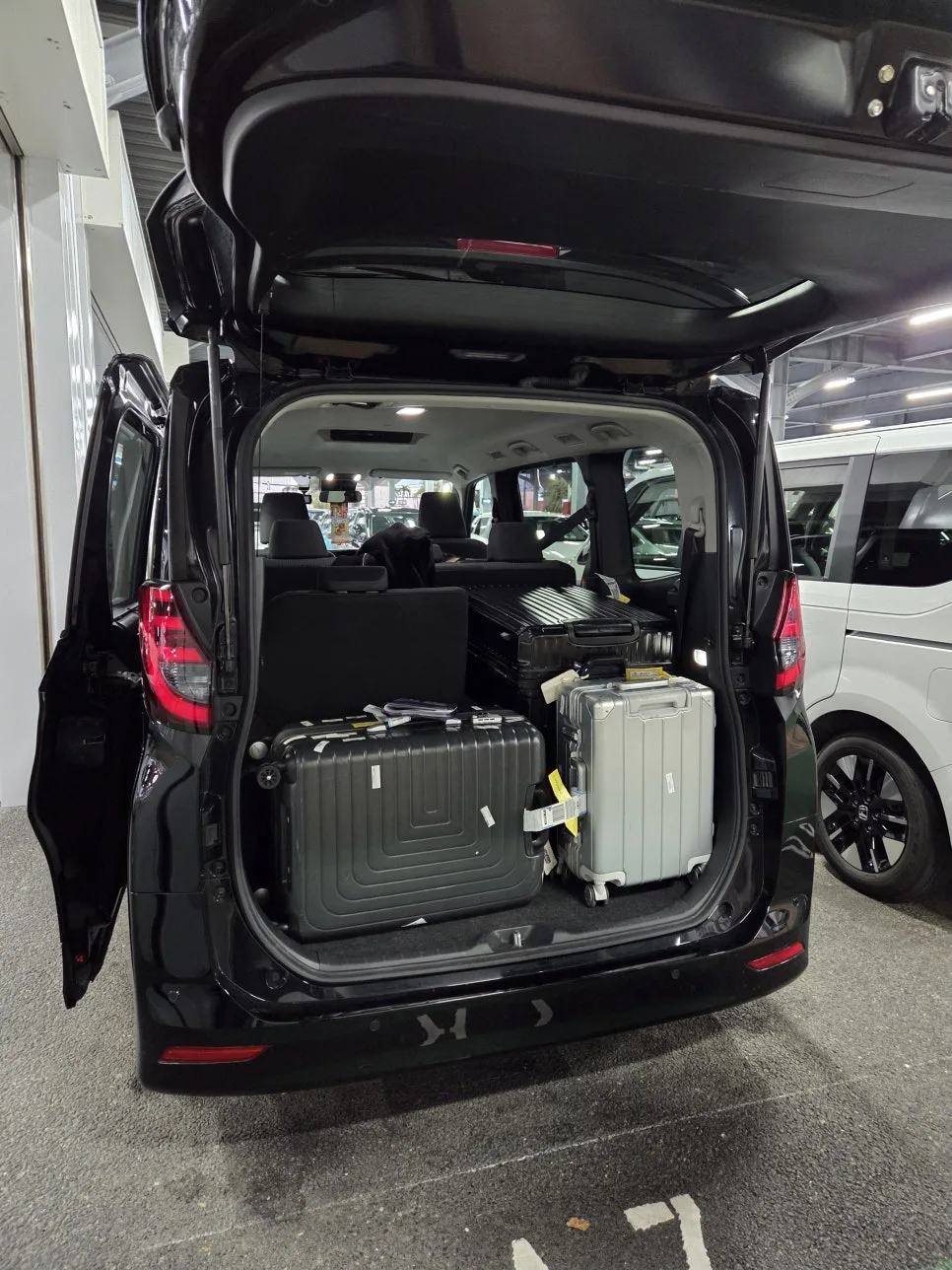
and loaded in the luggage too. Since my parents hadn’t arrived yet,
it was just baggage for three people, so there was plenty of room.
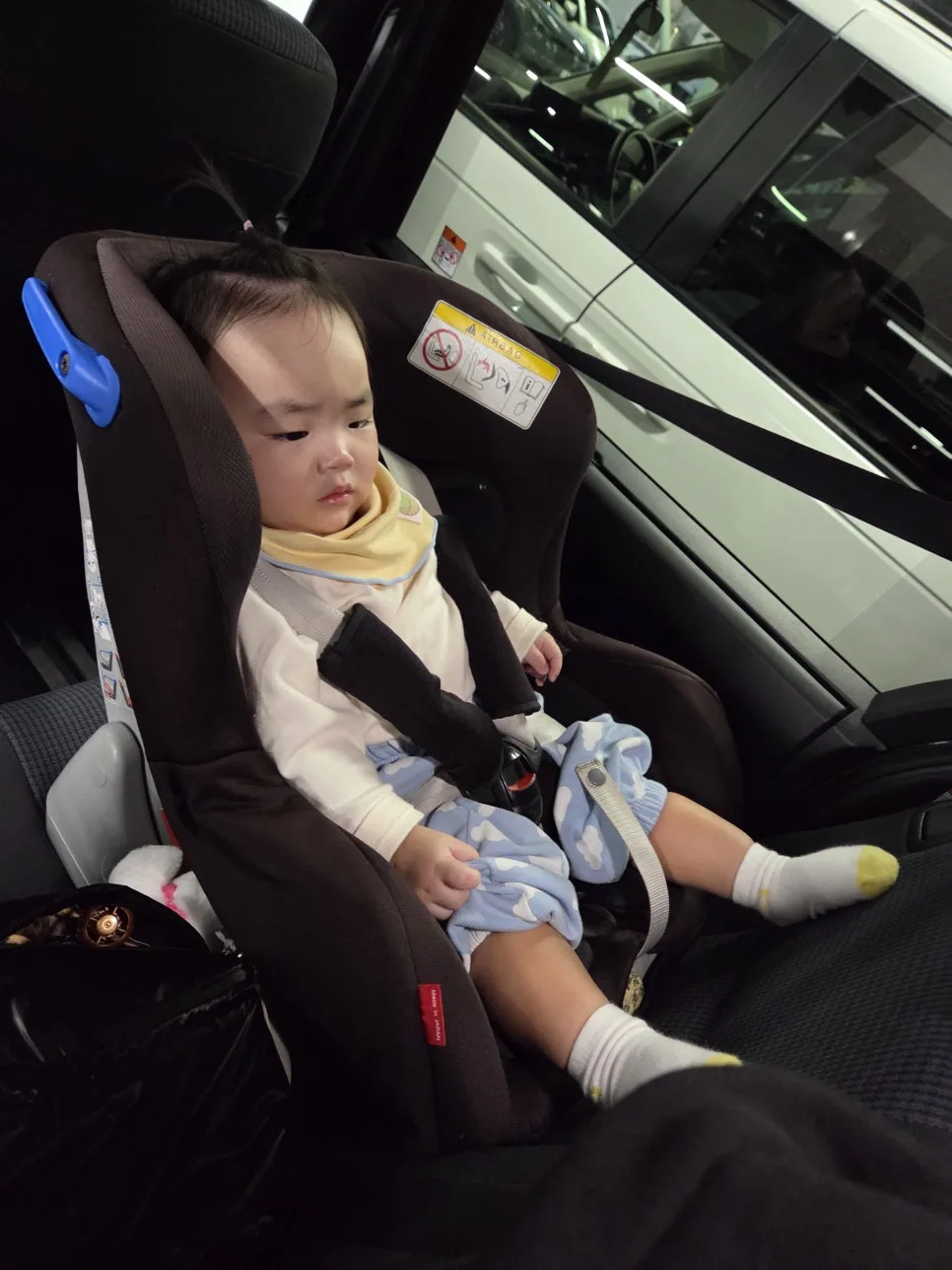
How’s the car seat comfort, little one…?
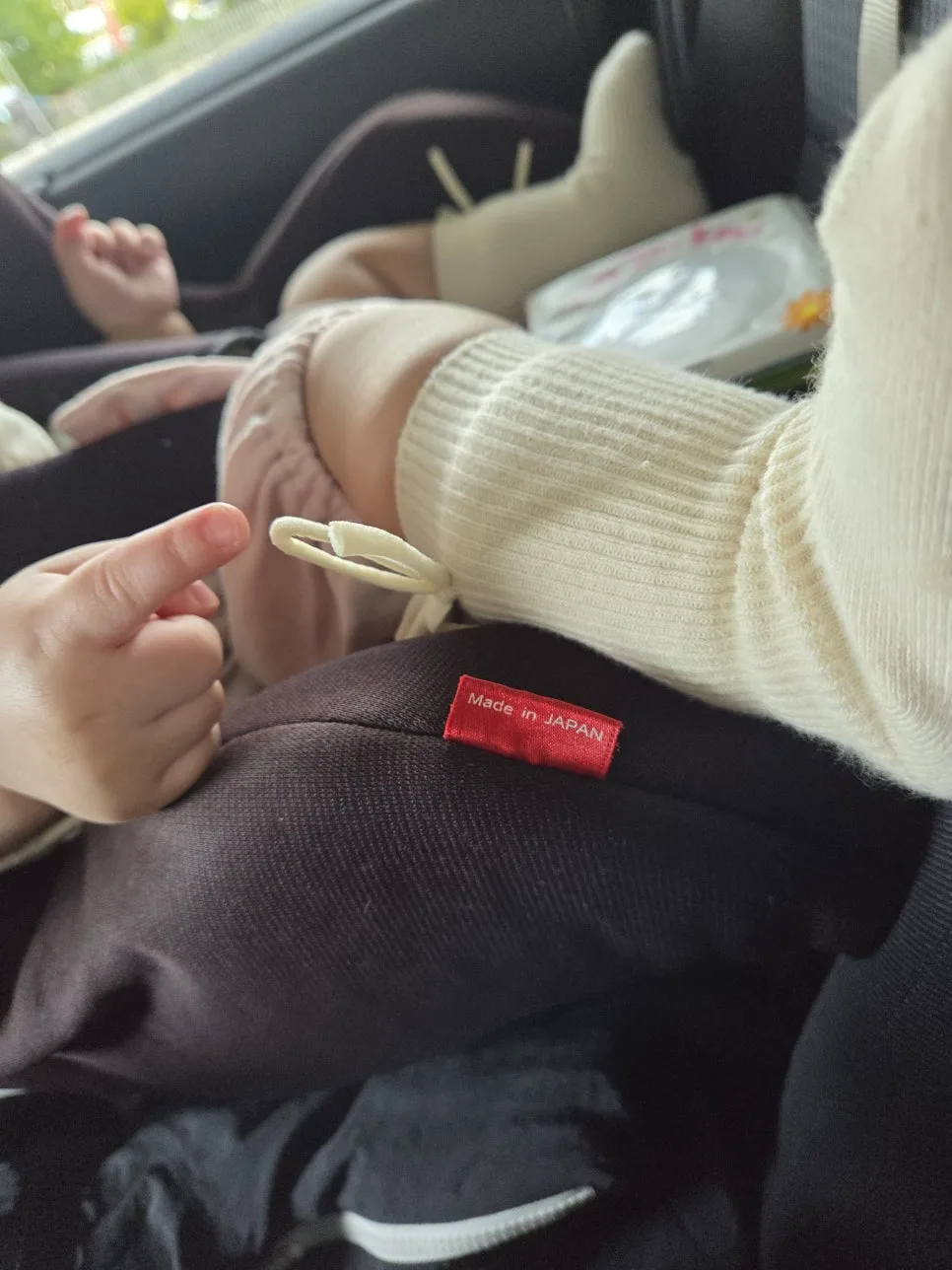
The car seat wasn’t brand new, so it definitely showed some wear,
but since it was made in Japan,
I trusted the quality would still be good.
Also, large companies like Orix say they discard any car seat
that has been involved in an accident,
so even if it looks a little used, it should still be accident-free.
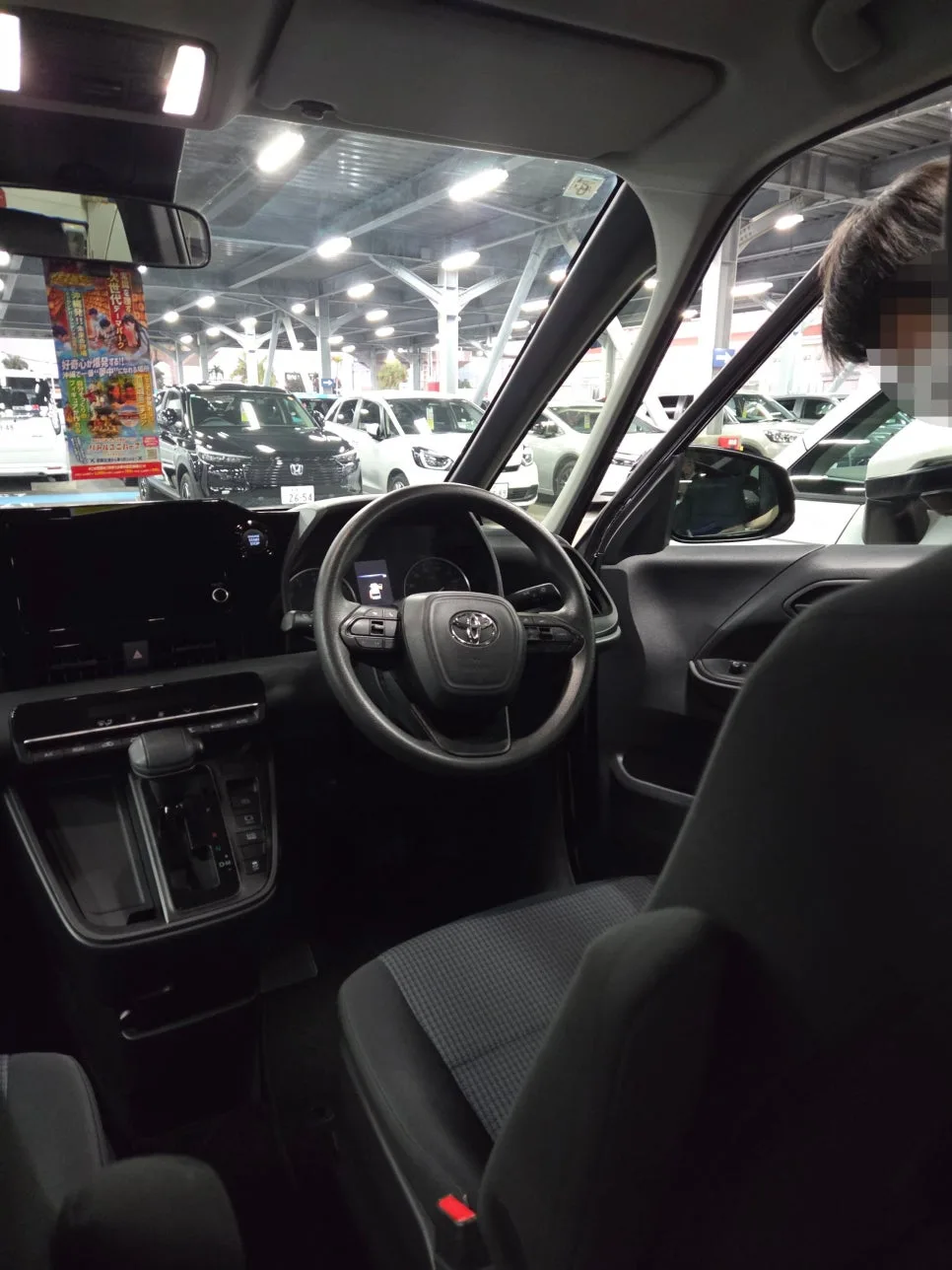
Driving a right-hand-drive car for the first time…
If you’re a beginner driver, it may feel intimidating,
but if you’re already comfortable driving at home,
you’ll probably adjust pretty quickly after a little time on the road.
Apparently in Okinawa, cars sometimes accidentally drive the wrong way,
and even locals just wait it out
(probably while being very annoyed inside…).
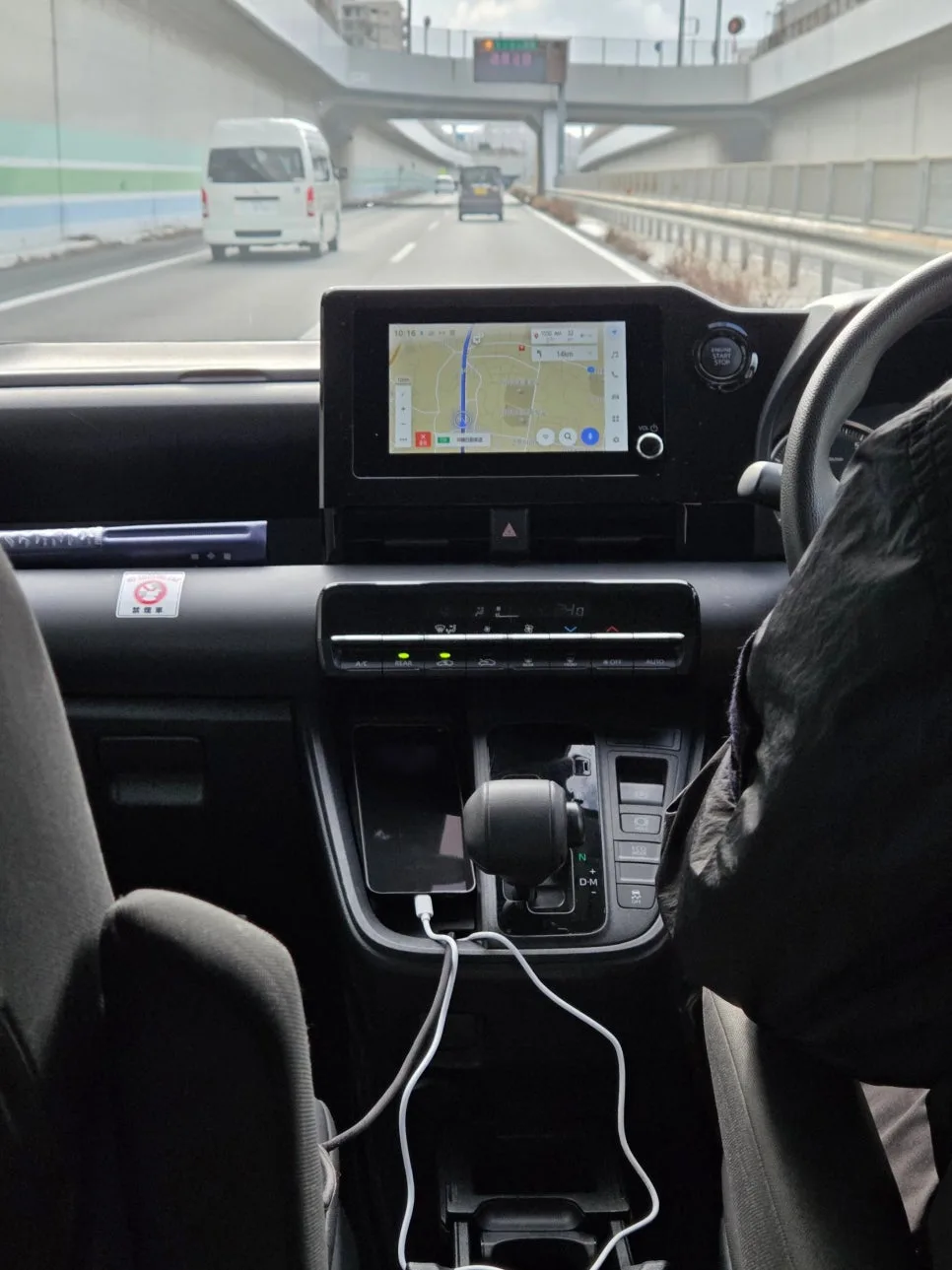
In case anyone is curious about the Voxy center console, I took a photo.
A lot of people just use the built-in factory navigation,
so that’s what we used too,
but sometimes it suggested strange routes instead of the most efficient one,
so there were moments when the passenger had to check Google Maps
and help guide the way.
The built-in navigation did support Korean well, though.
How to Use Google Mapcode in Japan
Another useful thing to know when using navigation in Japan
is Google Mapcode.
If you search for a place on Google, copy the address,
and paste it into the Japan Mapcode website,
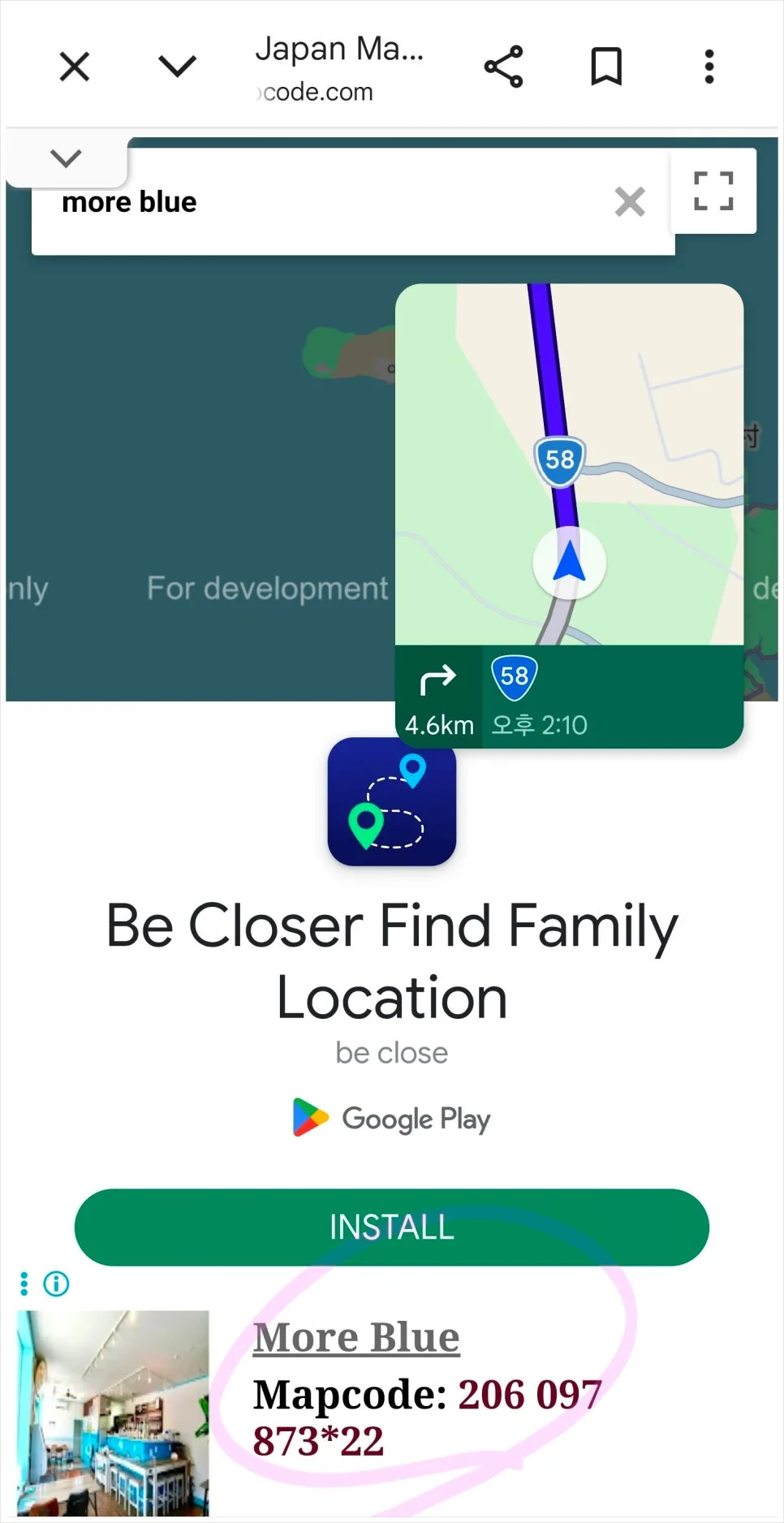
you’ll get a number at the very bottom like this.
There are lots of ads in the middle, but just ignore them
and scroll all the way down.
If you enter that number into the factory navigation system,
it can pull up destinations that don’t show up in regular search.
Okinawa Toll Gates
If you drive north and south across Okinawa,
you’ll probably pass through toll gates several times on the expressway.
Just like in Korea, you can stop and pay by cash or card,
or use ETC, Japan’s version of Hi-Pass.
If you rent an ETC card from the rental office,
you just pay the total toll amount when you return the car,
which is convenient. The rental fee is usually around ¥330.
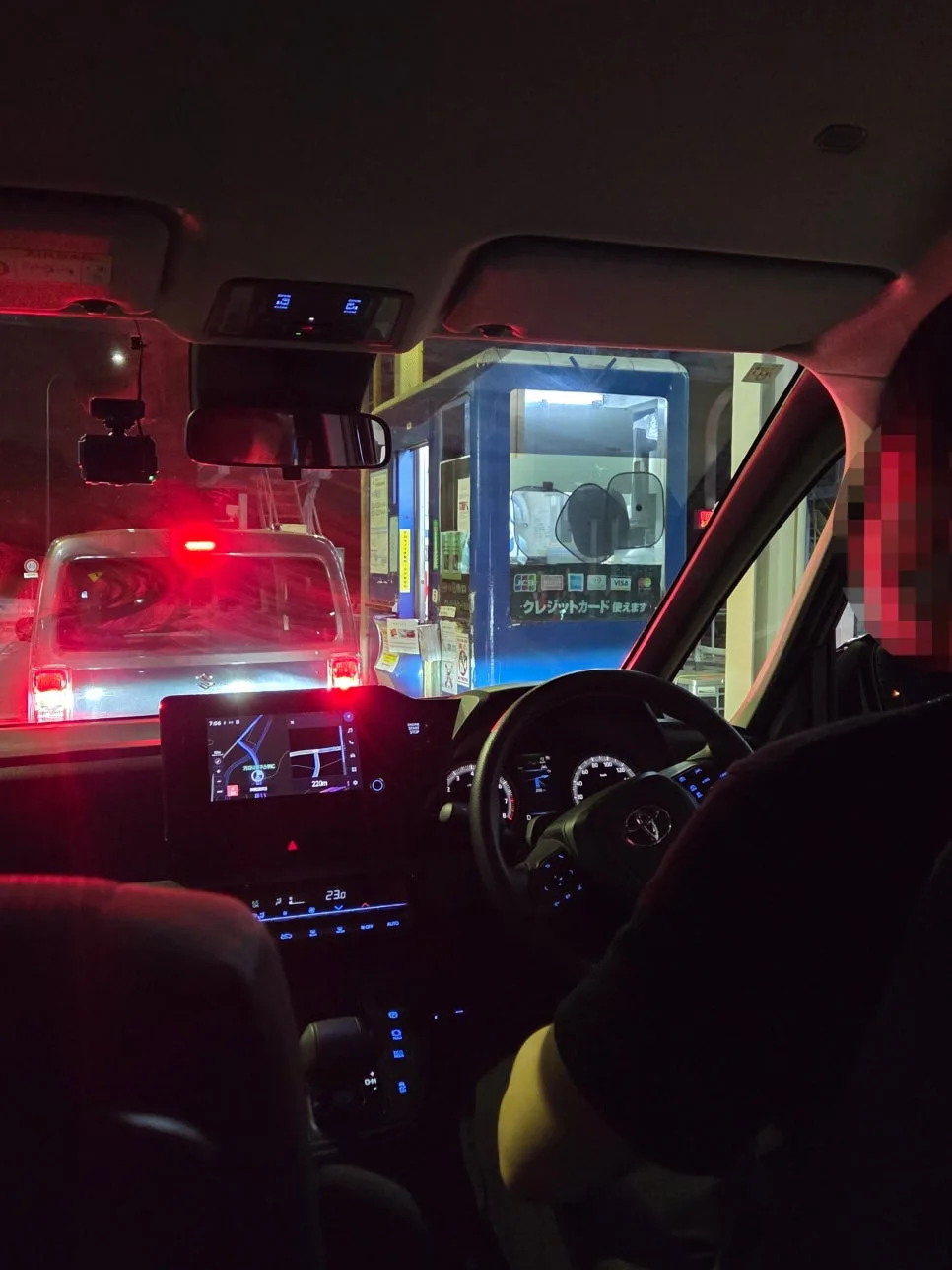
We forgot to rent one, so we just paid tolls by card as we went,
and honestly, we never had to wait that long,
so it wasn’t a big inconvenience.
A Quick Note on Japanese License Plates
When you’re driving around,
you end up noticing other cars’ license plates a lot.
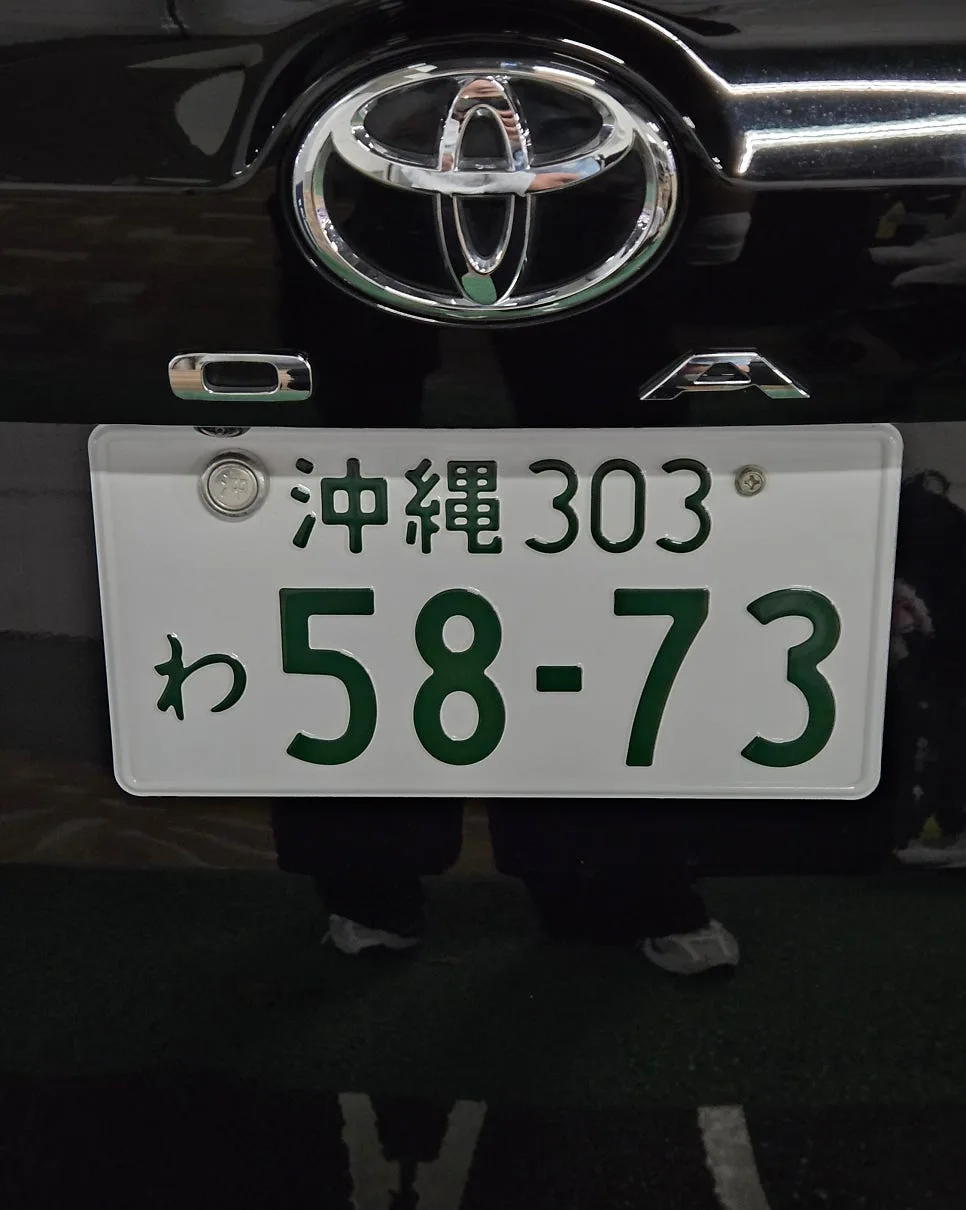
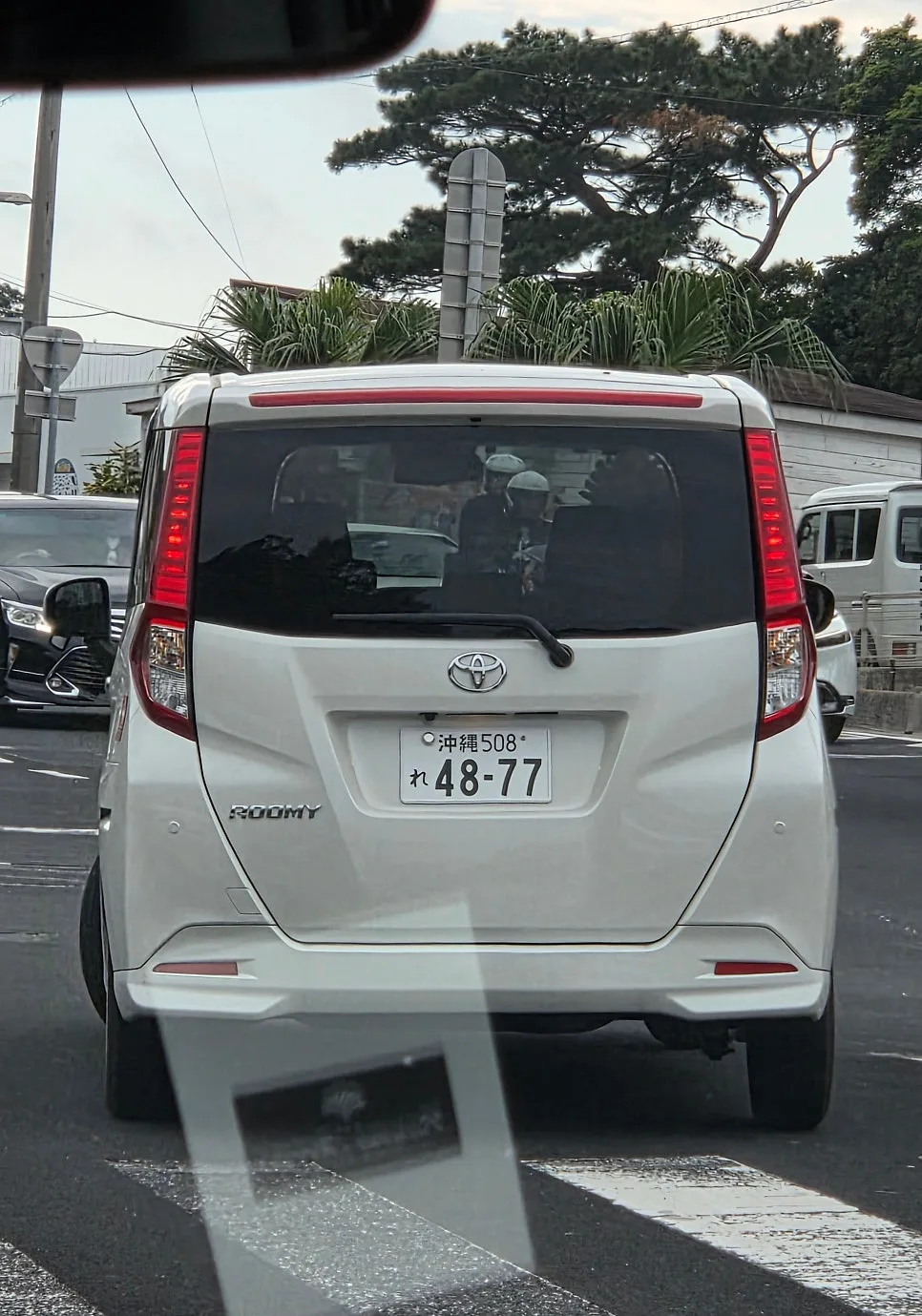
Since Okinawa is such a tourist destination, there are tons of rental cars.
Cars with plates like the ones above marked with (わ) or (れ)
are rental cars,
which means there’s a higher chance the driver may be inexperienced,
so yes… be extra careful around wa and re plates ^^
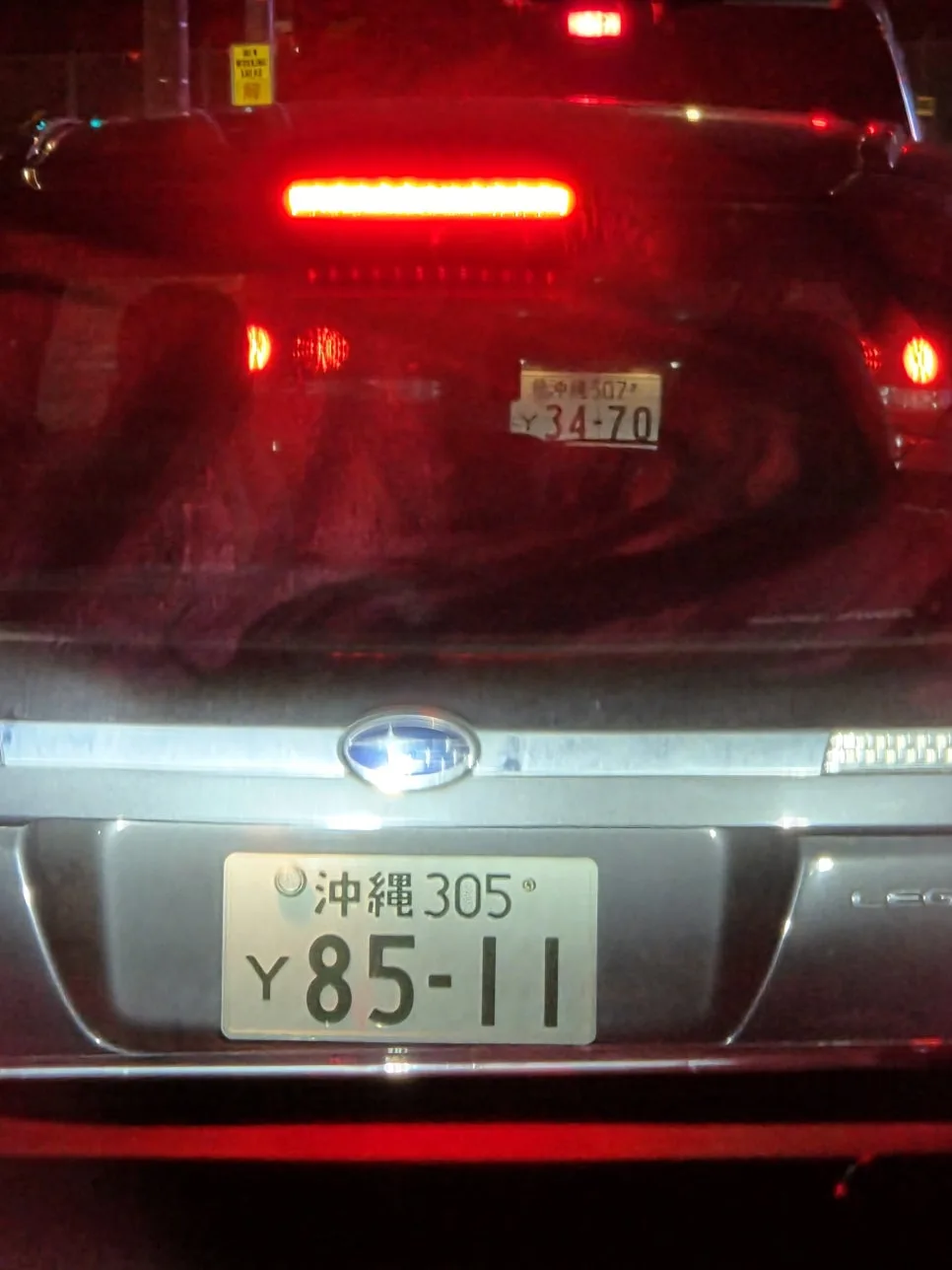
Sometimes you’ll also see license plates with uppercase English letters,
which belong to U.S. military vehicles in Okinawa.
I’ve heard accidents involving U.S. military vehicles can be more complicated to handle, so it’s best to keep a generous safety distance.
For reference, yellow plates are kei cars,
and green plates are commercial vehicles like taxis.
How to Use Gas Stations
This doesn’t apply to self-service gas stations,
but at stations where an attendant pumps the gas,
you shouldn’t just drive straight in and stop at any pump.
Instead, wait briefly at the entrance
until a staff member directs you.
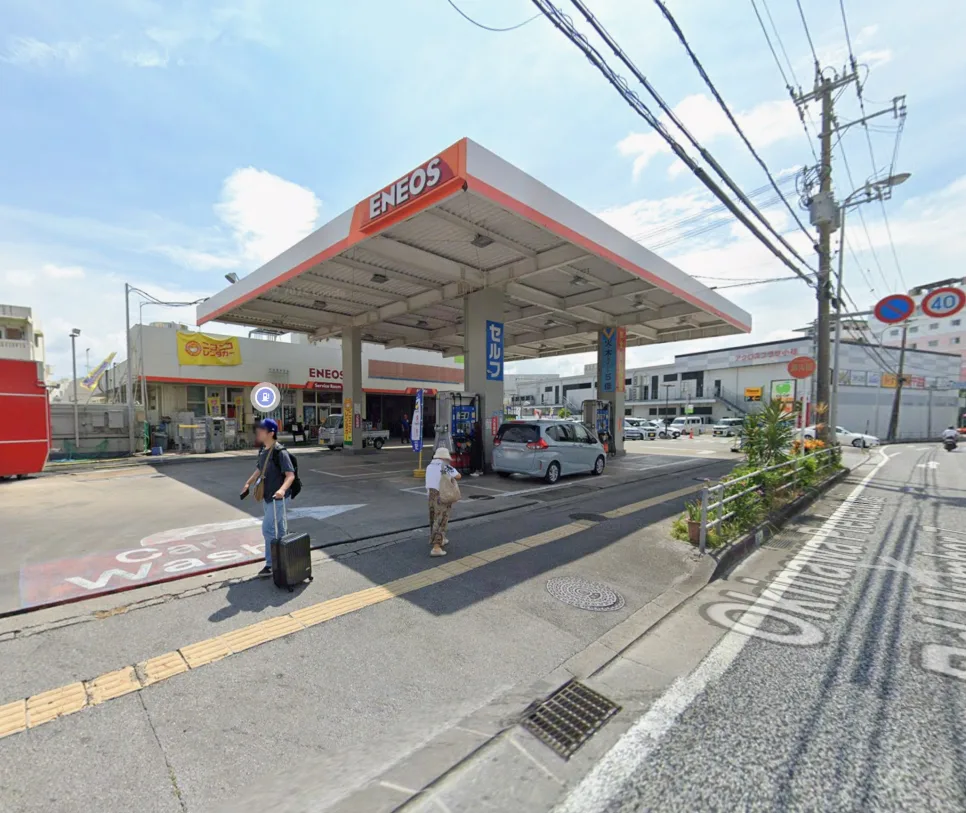
Source: Google Maps Street View
The gas station brand you’ll probably see most often
is ENEOS, like in the photo.
Basically, you just stop where the attendant tells you,
then tell them the fuel type and how many liters you want.
You can even pay by card from inside the car.
Returning the Car
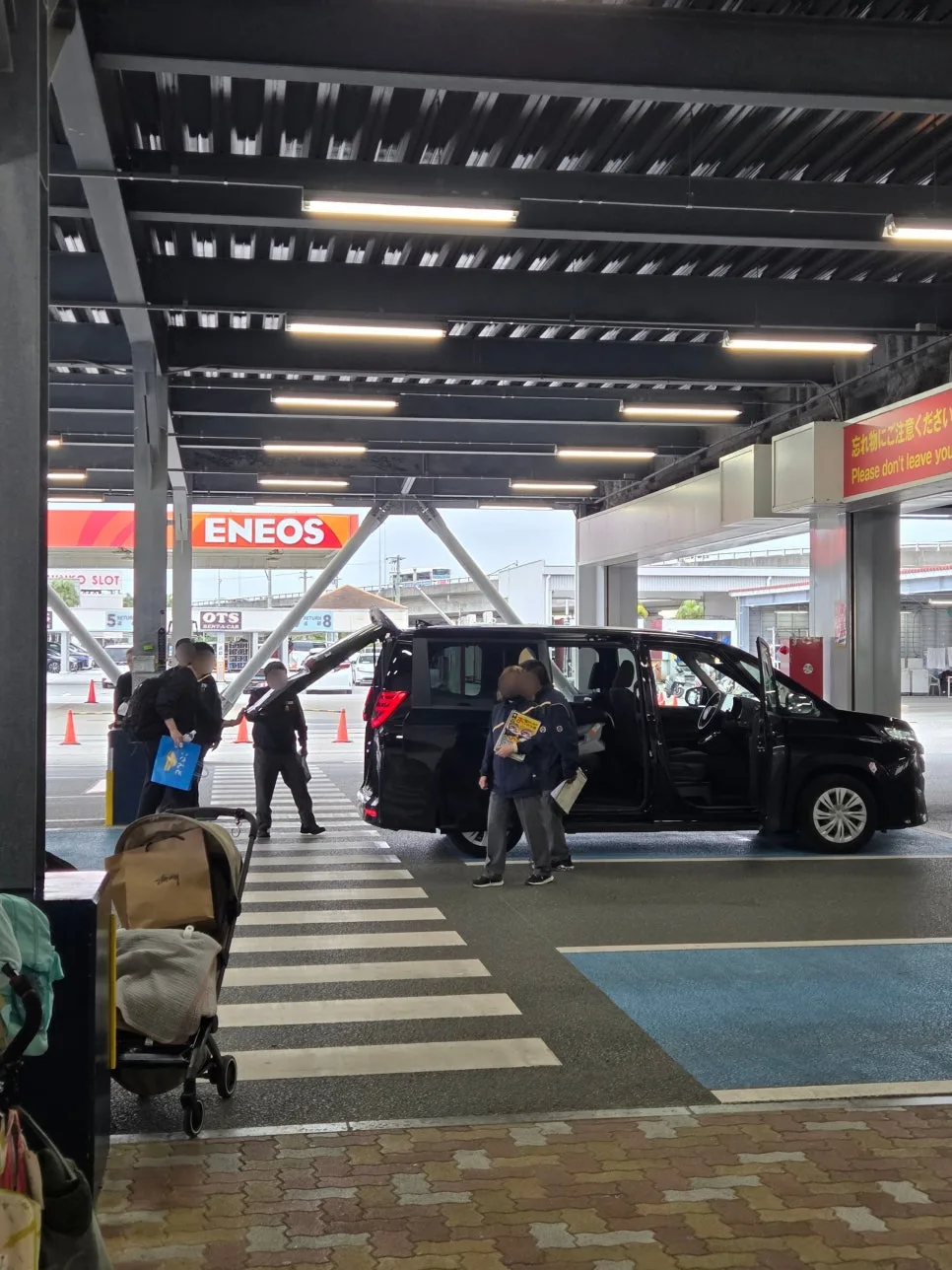
Back to return the car~ They do a quick check of the vehicle condition,
make sure you didn’t leave any luggage behind,
and the return process is done without much hassle.
That’s one thing I like about using bigger rental companies—they tend to be pretty relaxed and efficient.
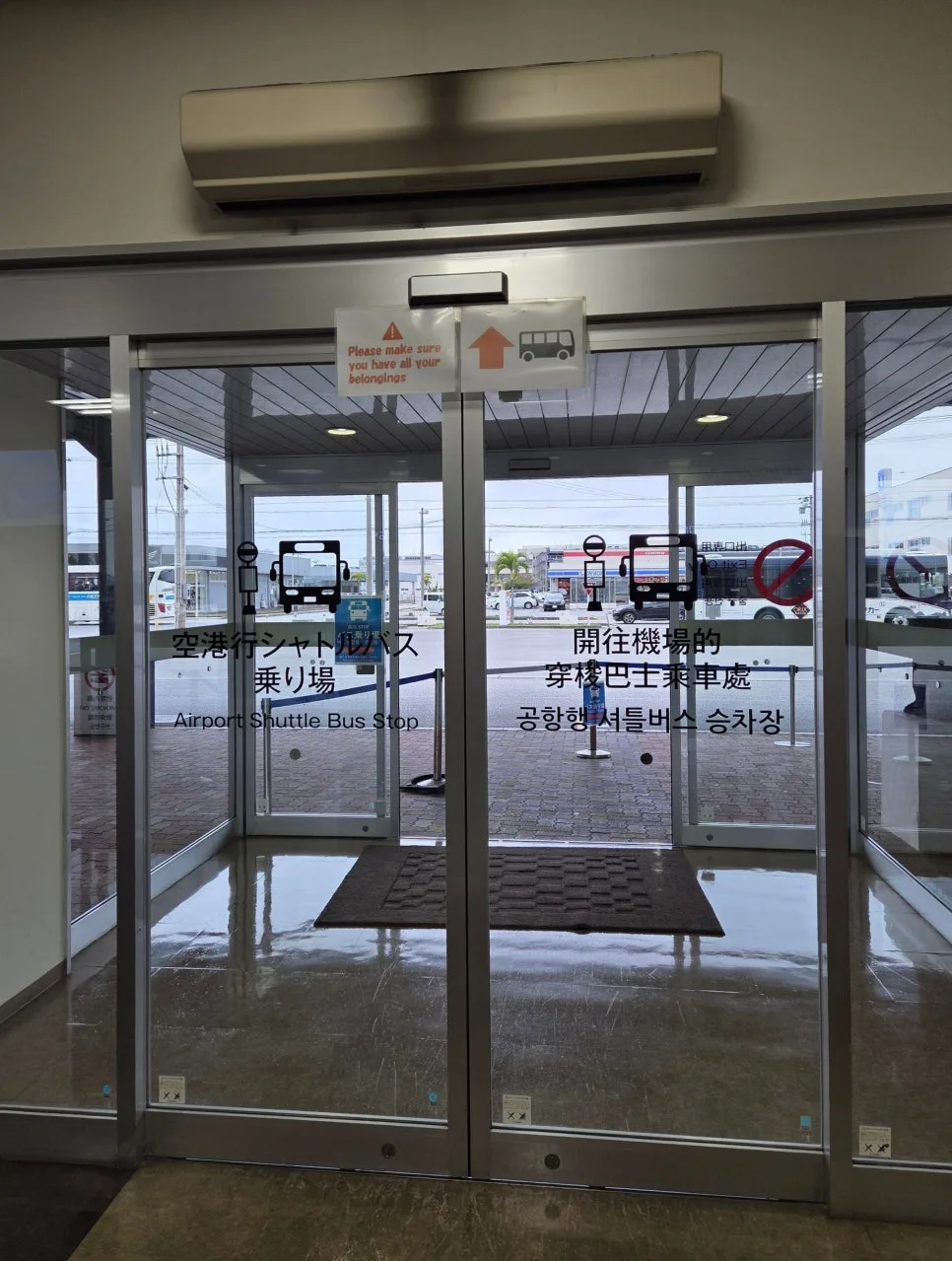
Then it’s back on the shuttle to the airport.
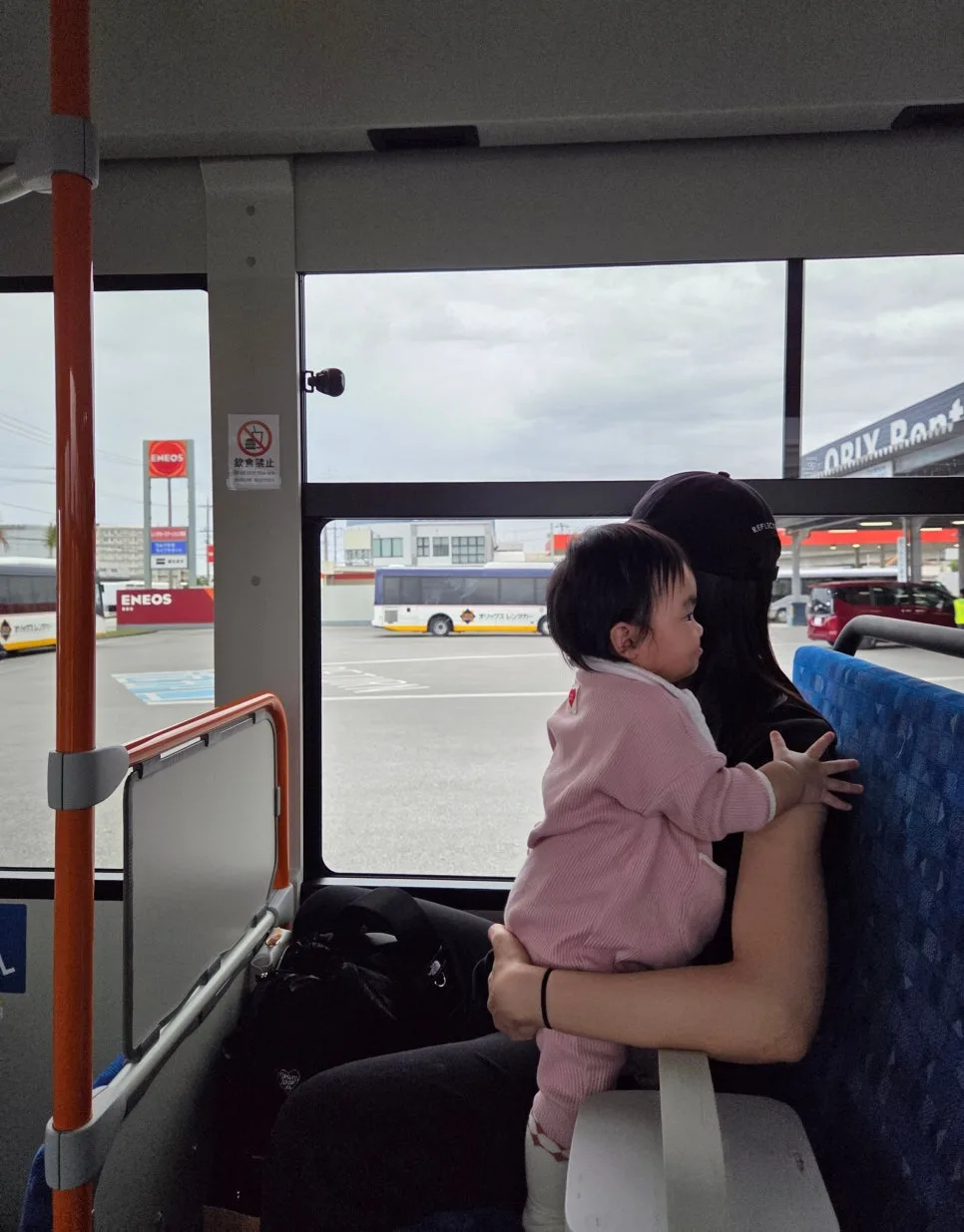
Thanks to the rental car, our whole family was able to travel comfortably and safely.
And major credit to my husband for doing all the driving!
How to Use Unmanned Parking Lots in Okinawa
While traveling around Okinawa, especially in places like Kokusai-dori,
you’ll probably end up using unmanned coin parking lots at least once or twice.
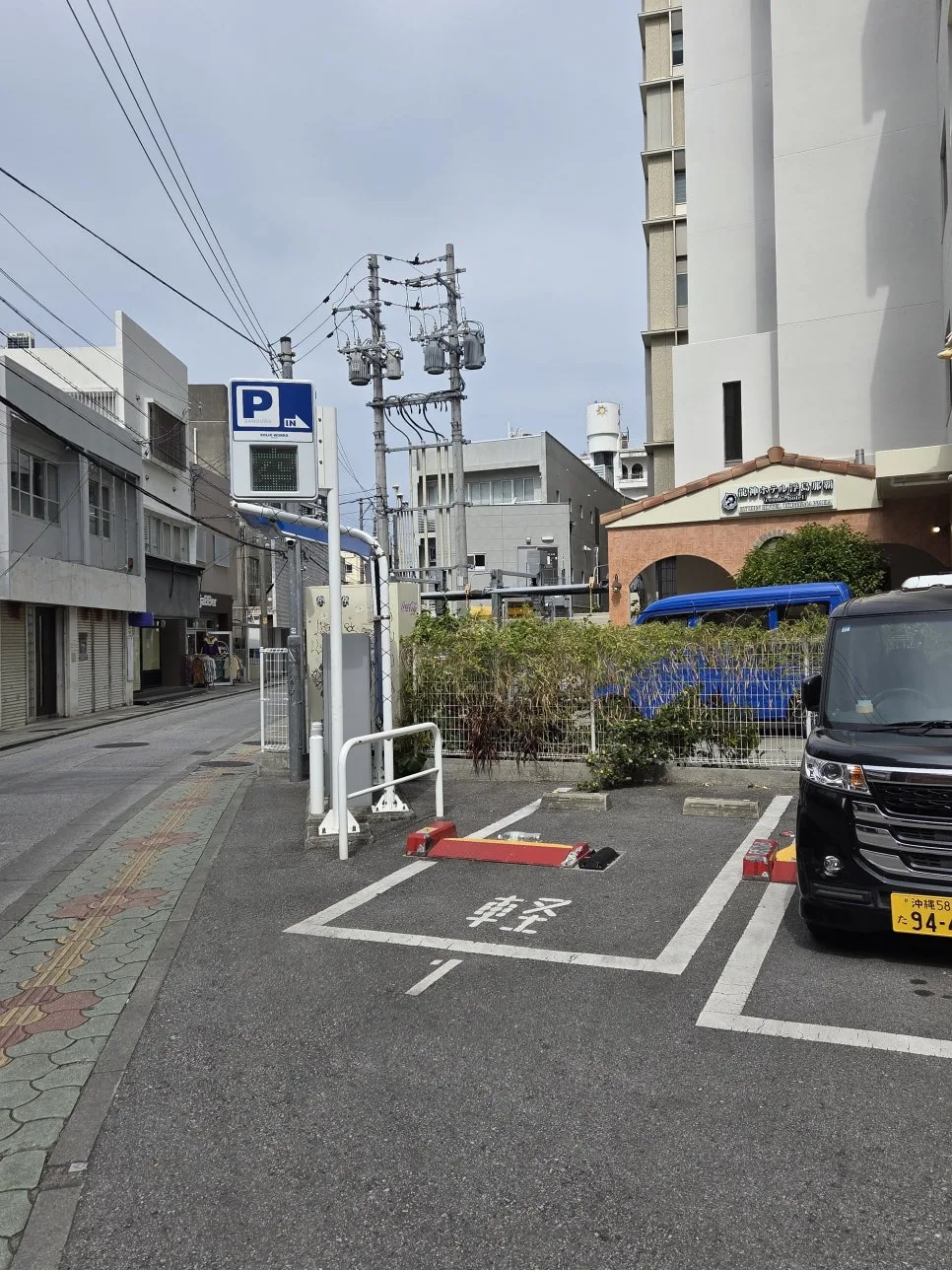
Parking lots are usually marked with a P sign like in Korea,
and if spaces are available, you’ll often see the green character 空,
while a full lot will show the red character 満.
Once you find an open spot, you can park there,
but if there’s text written on the ground instead of just a number, like in the photo above,
you need to check what it says first.
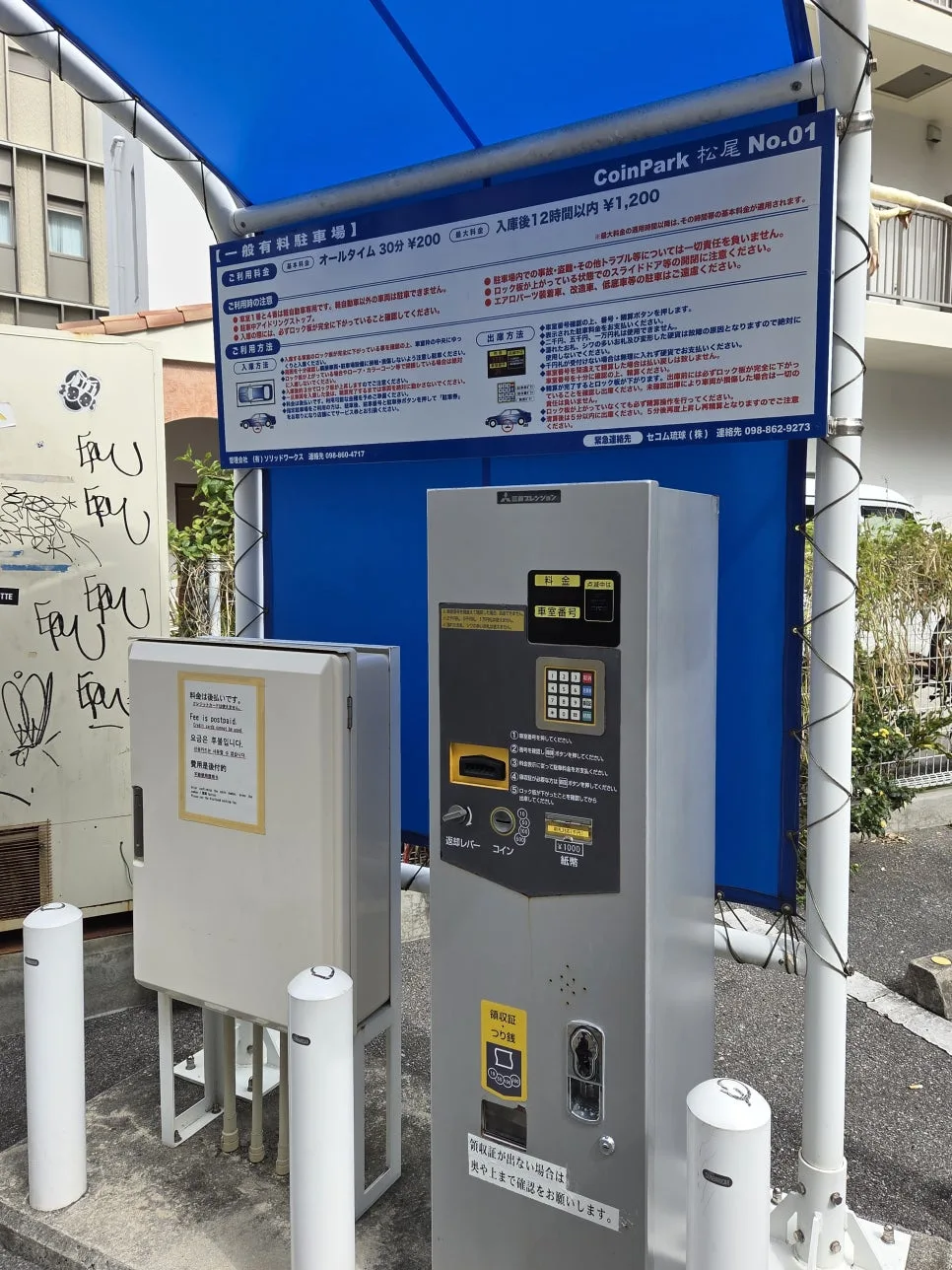
Usually the explanation is written on a sign like this.
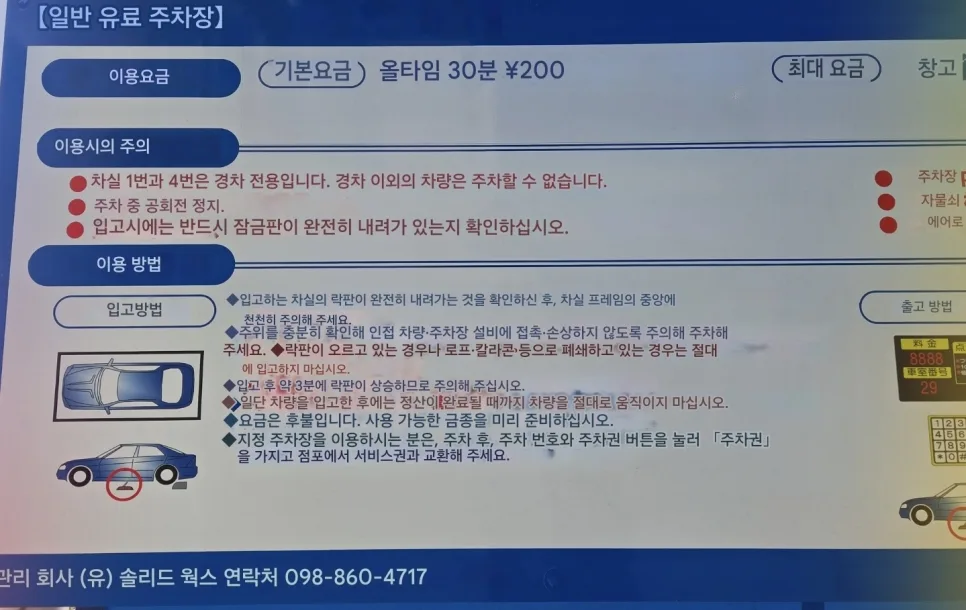
In this case, spot number 1 was reserved for kei cars only.
Some spaces are for compact cars, others may be monthly parking only,
so if anything feels unclear, it’s best to stop briefly,
check the sign, and confirm before parking.
About 3 minutes after you park, a wheel-lock plate rises under the car,
so even if you parked in the wrong spot by mistake,
you’ll still have to pay the parking fee to get out…
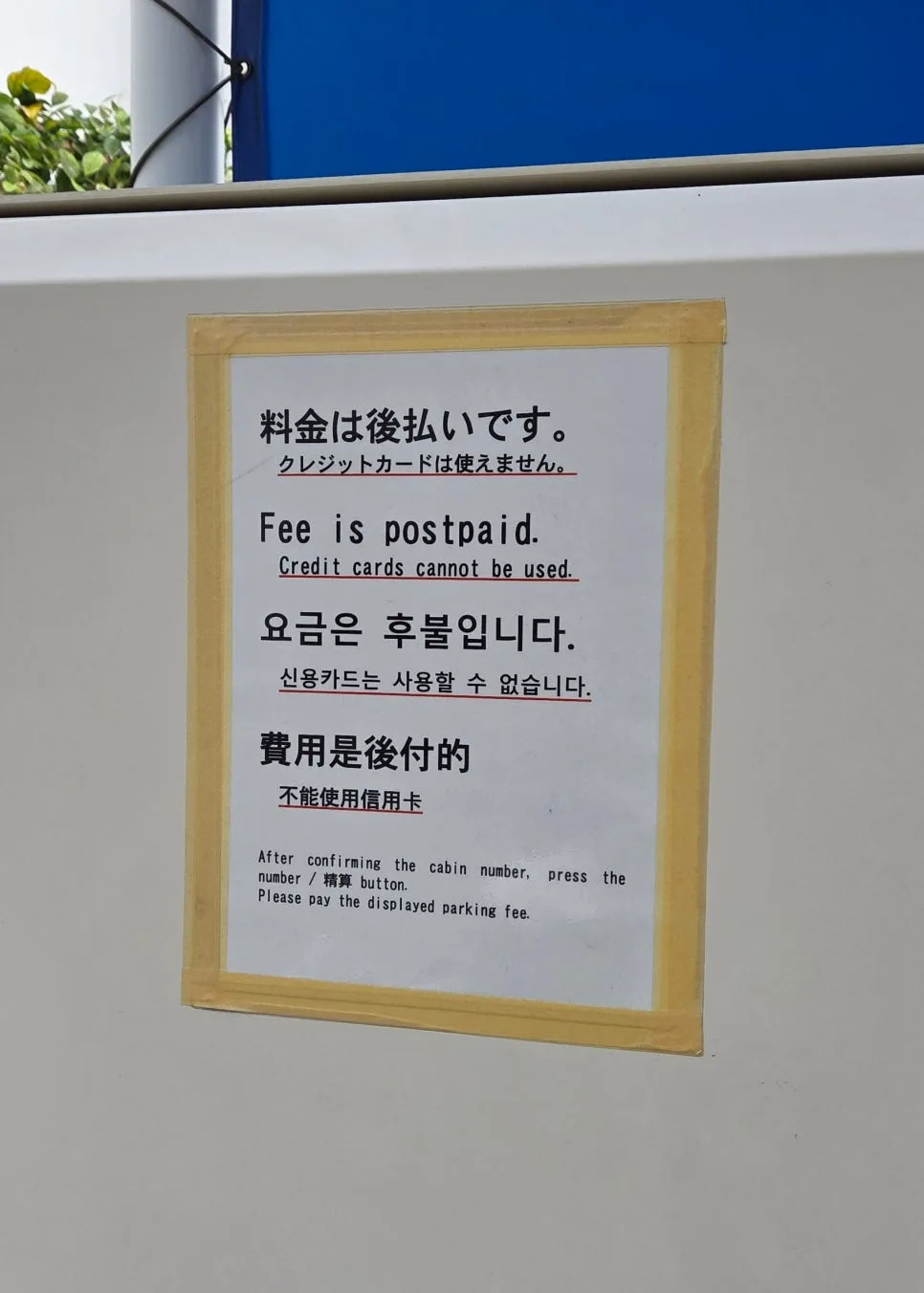
Also, most coin parking lots
only accept cash, not cards.
So if you’re renting a car in Okinawa,
it’s a good idea to always carry at least a little cash with you.
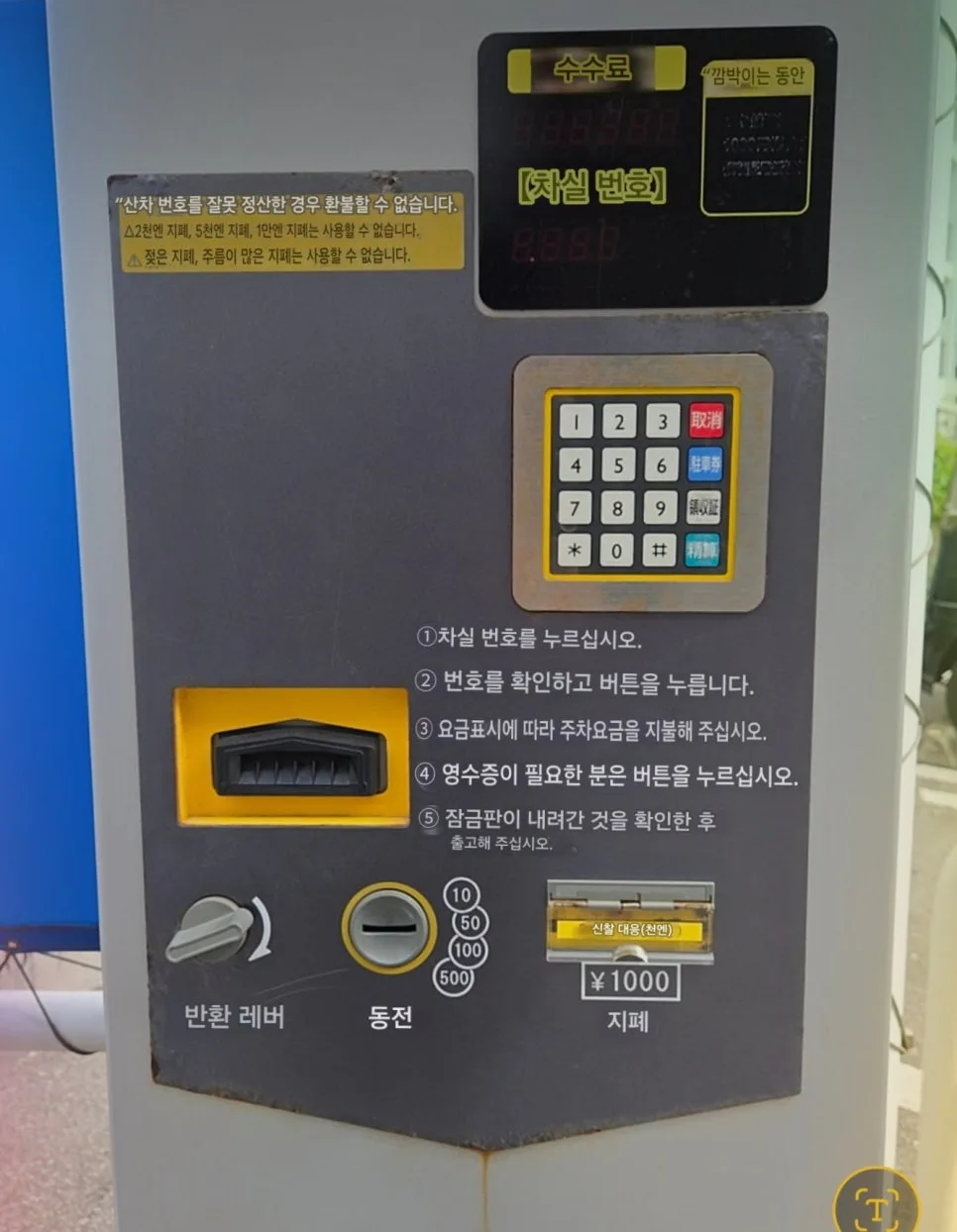
Paying for parking itself isn’t difficult,
so you can just use a translation app, read the instructions, and follow along.
So that’s my full breakdown, from booking a rental car
to actually using parking lots in Okinawa.
Book your rental car on Klook at the lowest price
and have an amazing trip to Okinawa!!