Japan baby food import rules were officially updated in July 2026, especially for products that contain meat.
Japan’s rules on bringing in meat have gotten noticeably stricter lately. We’ve traveled to Japan four times with our baby before 15 months old—entering through Osaka, Okinawa, Fukuoka, and Sapporo—and every time, the response from quarantine officers was a little different, so I really wanted to find the exact rule.
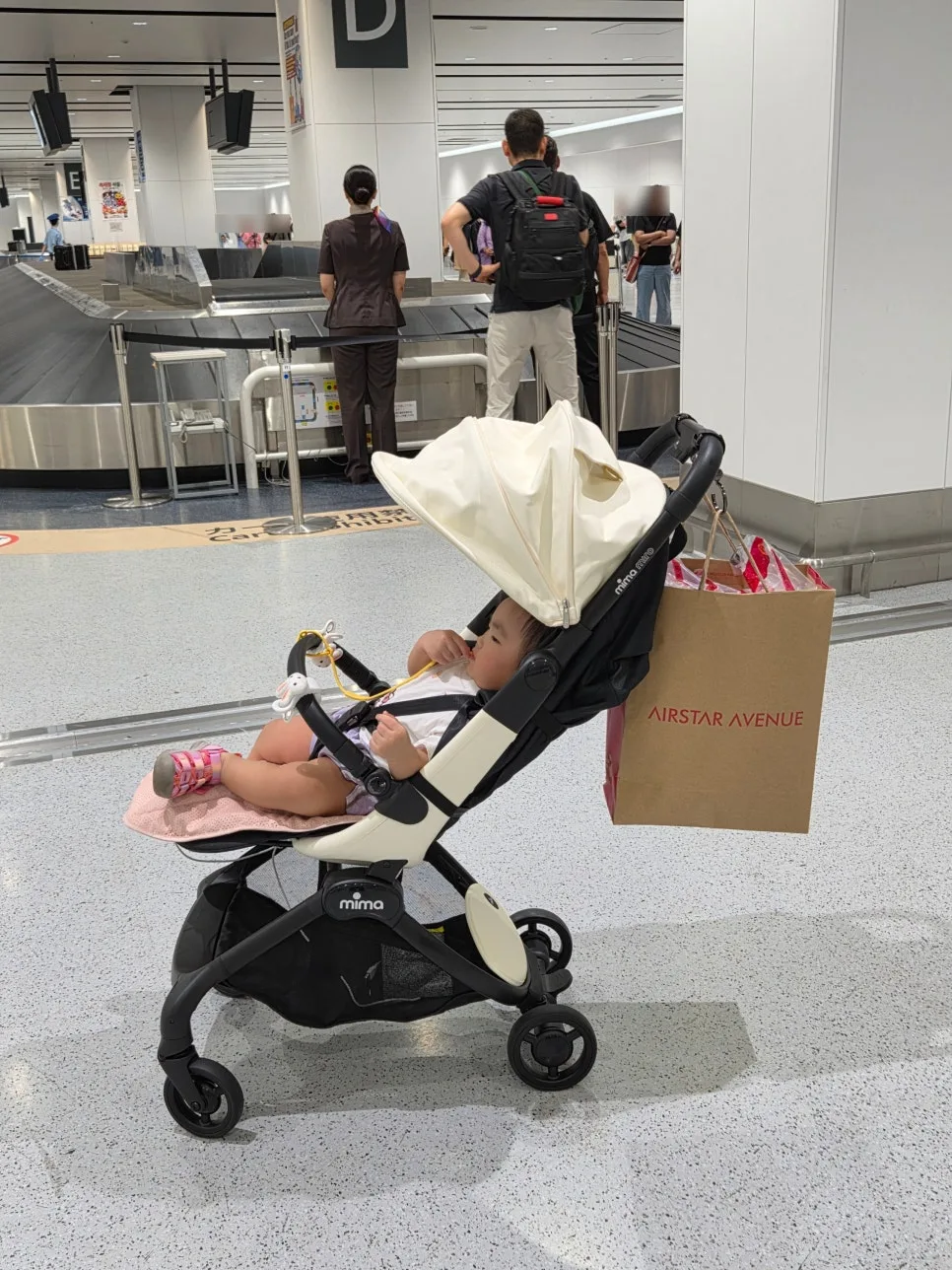
What pushed me to dig deeper was our most recent trip in July 2026, when we arrived in Sapporo and had our beef baby food confiscated by a quarantine officer. The officer told us the rules had been tightened starting in July this year.?
The rumor-filled reality of Japan baby food import rules
If you’re planning a Japan trip with a baby, you’ve probably searched blogs or asked in parenting communities about bringing baby food. But the answers are all over the place—some people say their food was taken, others say nobody even checked. Because everyone’s experience is different, most parents end up packing it anyway without feeling totally sure.
Since we’ll probably keep traveling to Japan with our baby, I didn’t want to keep guessing every trip. So I contacted the Animal Quarantine Service under Japan’s Ministry of Agriculture, Forestry and Fisheries (MAFF) directly and got an official reply..
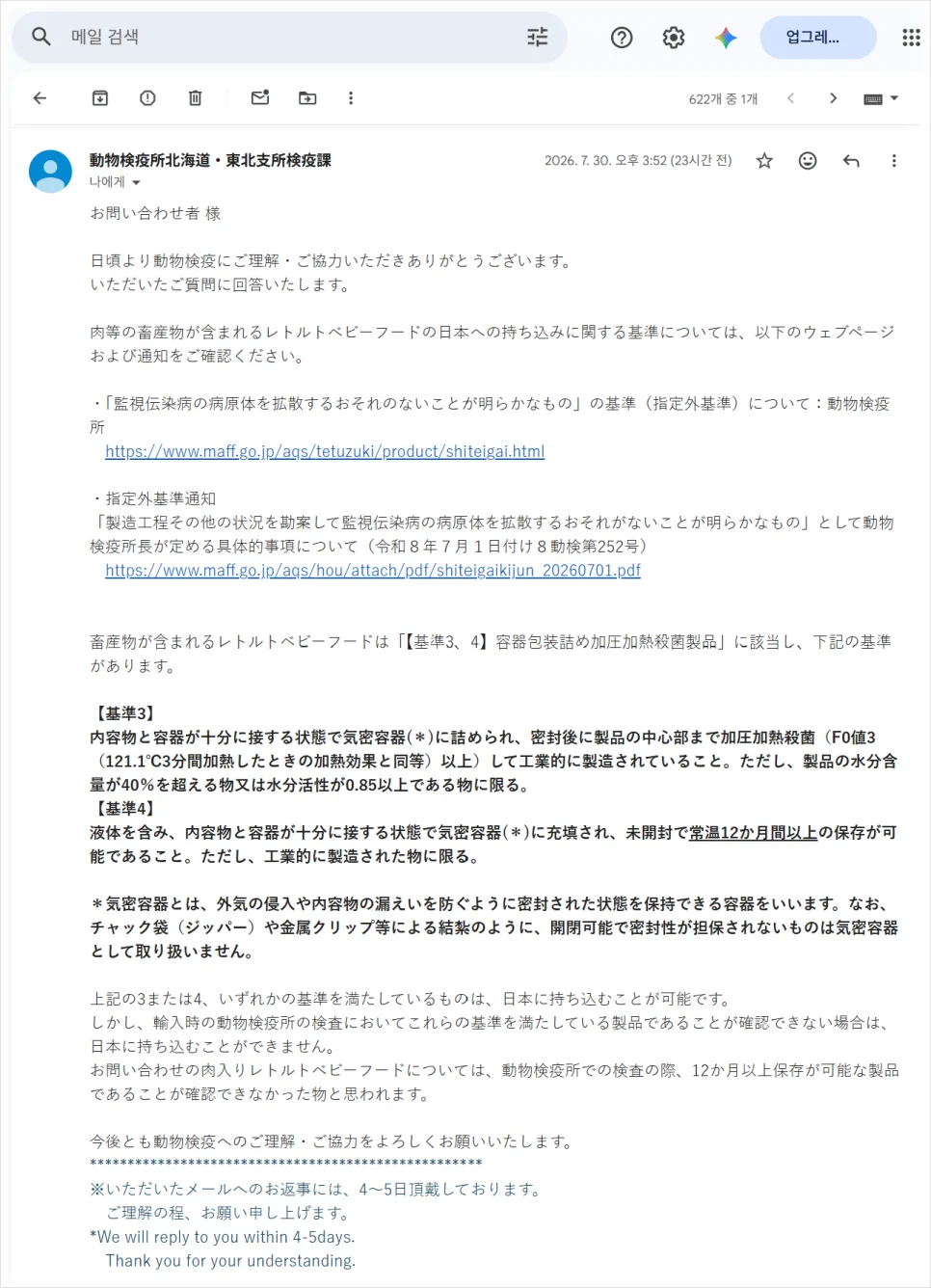
The actual email response I received
Japan meat import rules revised on July 1, 2026
https://www.maff.go.jp/aqs/hou/attach/pdf/shiteigaikijun_20260701.pdf
The PDF in the link above is an official Animal Quarantine Service document, and it’s the latest version revised as of July 1 this year. According to them, the rules are now stricter.
If I summarize only the part that applies to baby food containing meat, it comes down to this:
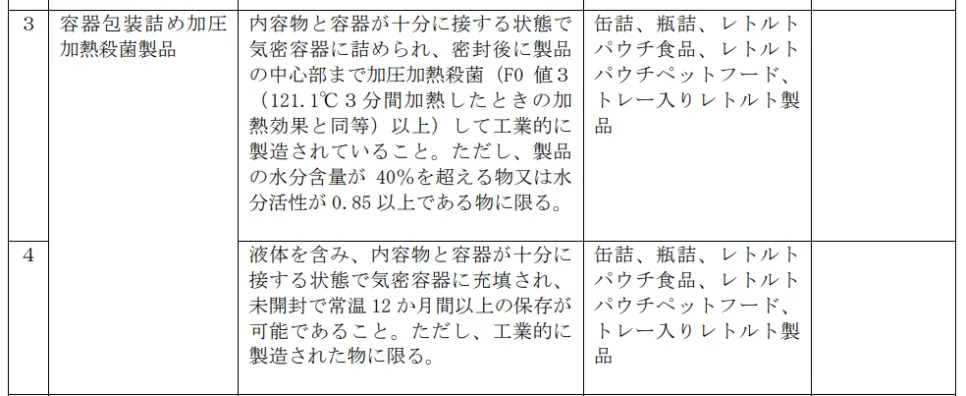
Original text
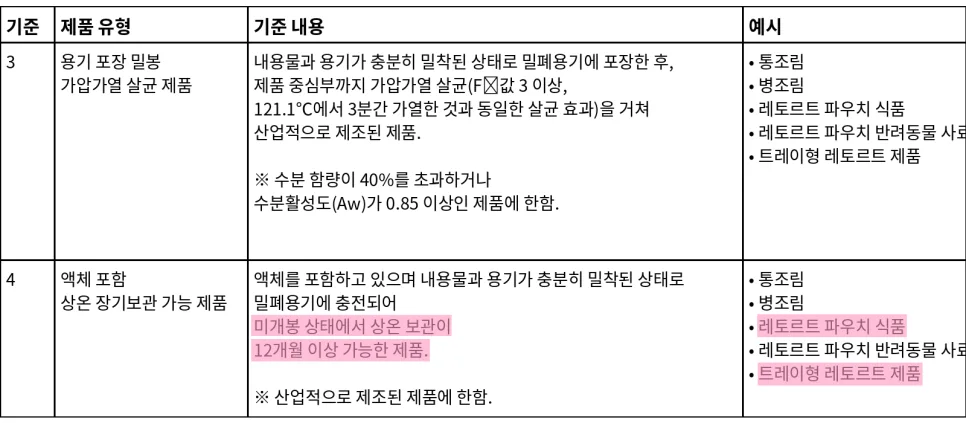
Translation
For baby food, you really only need to focus on rules 3 and 4.
-
Products sterilized by pressure heat treatment
-
Products manufactured industrially
-
Products that can be stored at room temperature for at least 12 months
-
Retort pouch or tray-style products
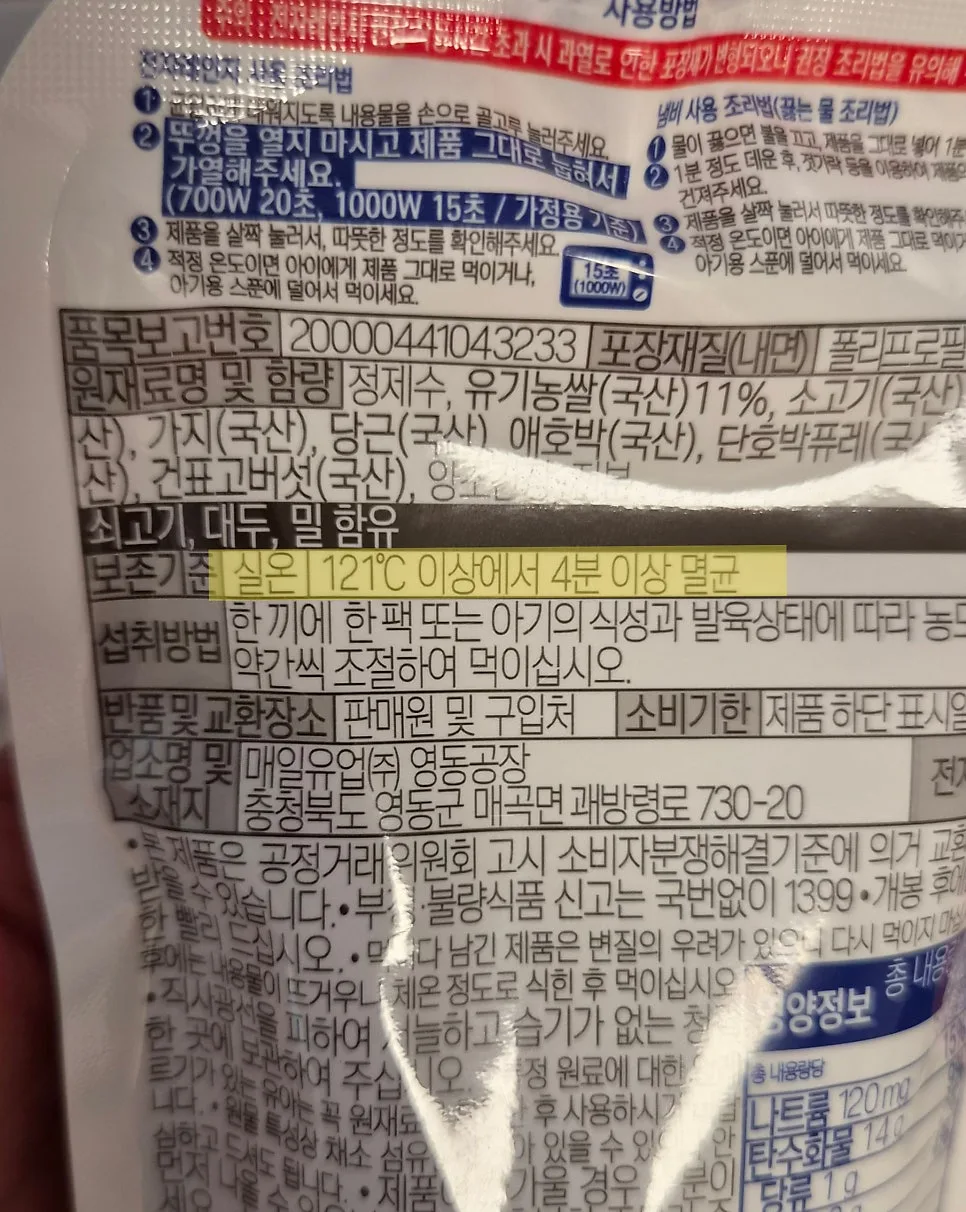
In reality, most shelf-stable Korean baby food brands meet all of those conditions. The real issue is how to prove that to a Japanese quarantine officer.
That’s exactly what happened to us when we entered Sapporo in July—we couldn’t prove that the product could be stored at room temperature for 12 months or longer, so it was taken. Here’s the easiest way to handle it.
Documents you can show a quarantine officer
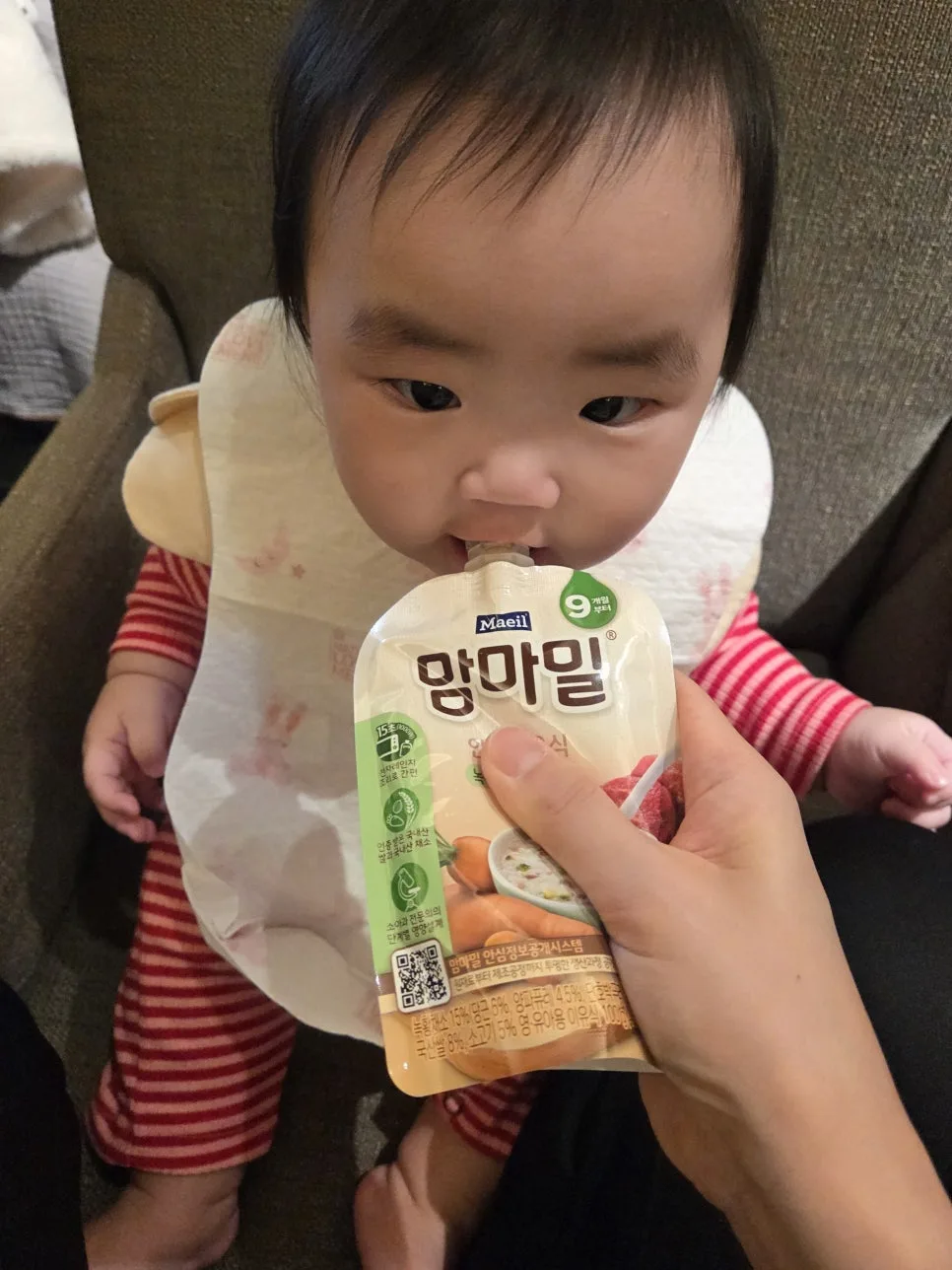
Somewhere on the packaging of pouch-style baby food with a spout, you’ll usually find food traceability information.
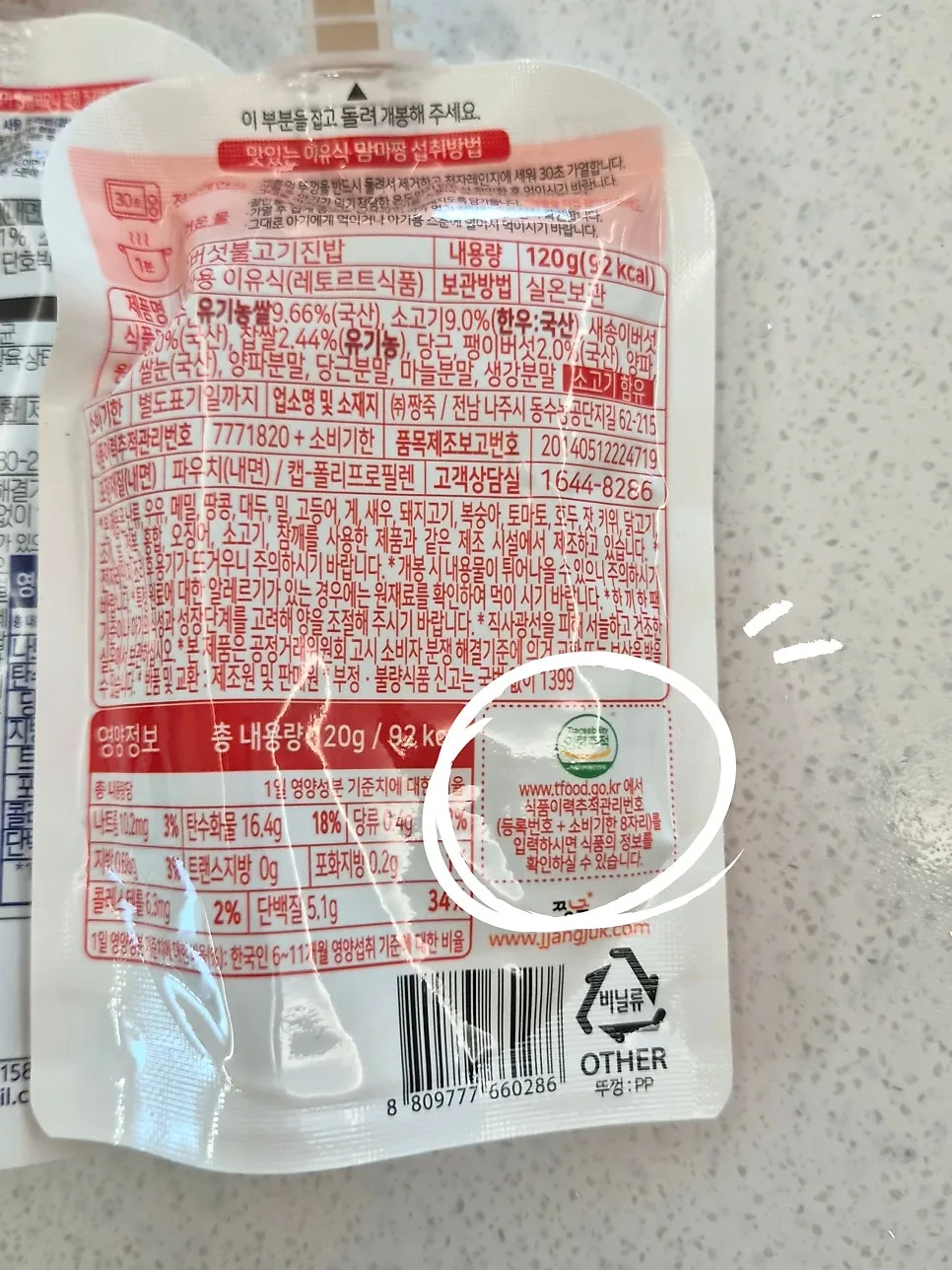
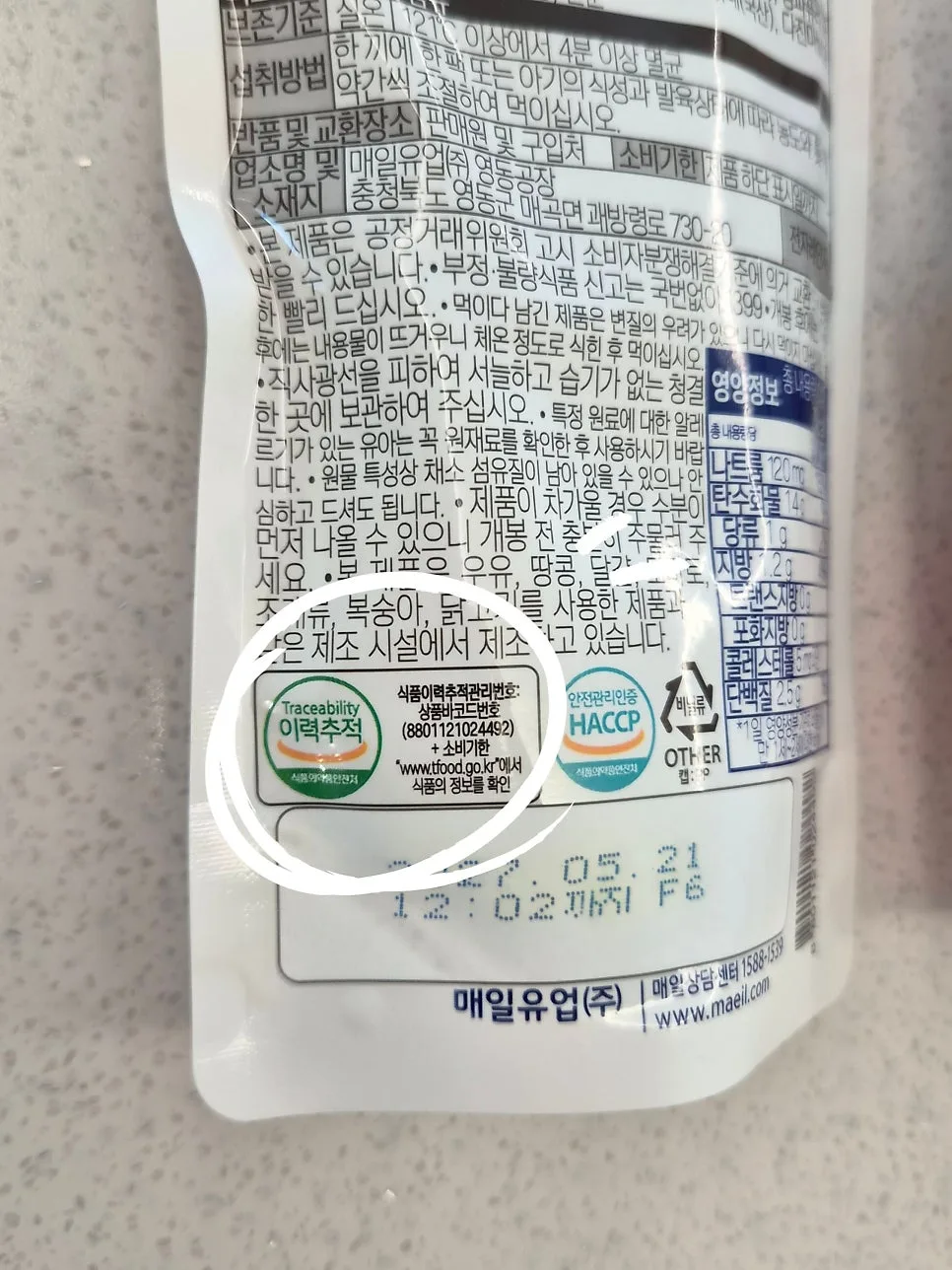
Like in the photo above, look for the small green circle. Go to the Food Traceability Management System websiteand select [Food Traceability Number], then enter the numbers exactly as shown on the package to look up the manufacturing date, expiration date, or use-by date.
I’ll leave the site link here
When I searched one of the products I had at home, the result showed this: expiration date June 15, 2027, manufacturing date June 16, 2026. That means it meets the requirement of being shelf-stable at room temperature for 12 months.
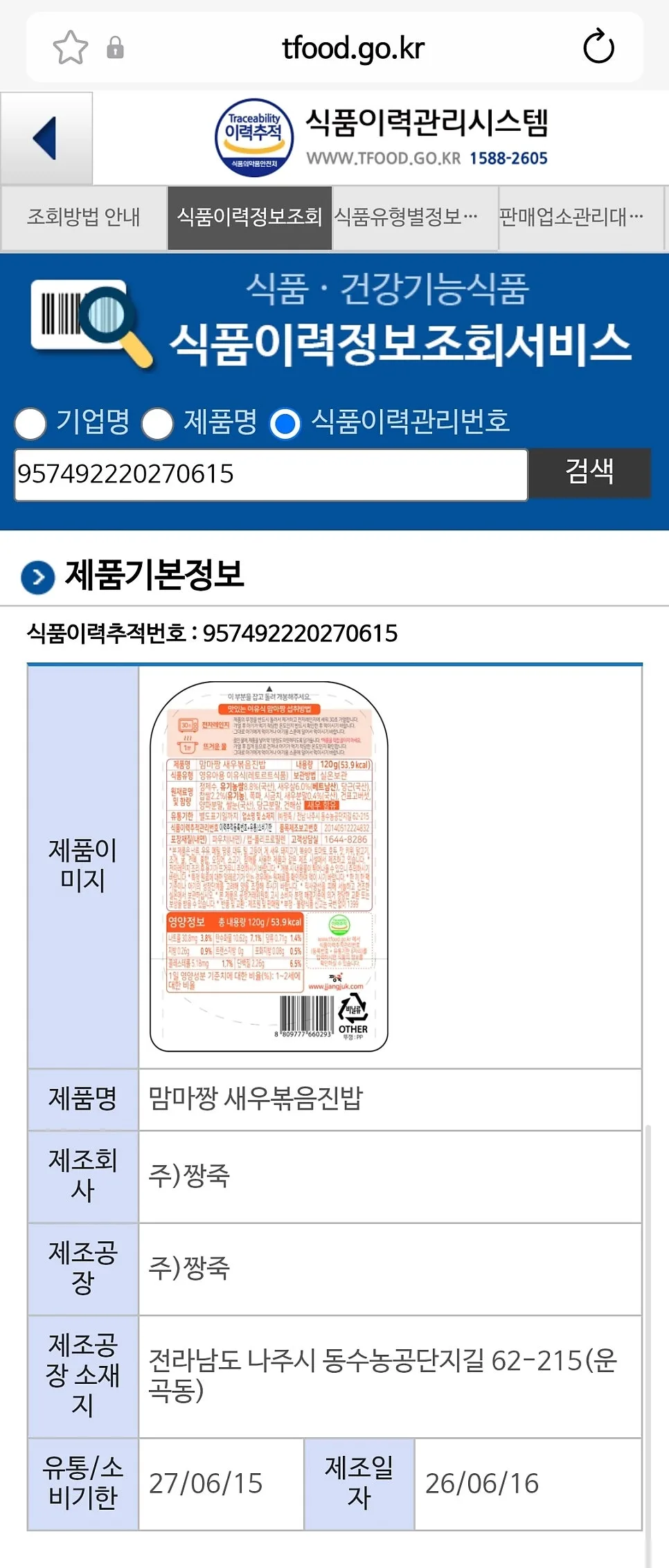
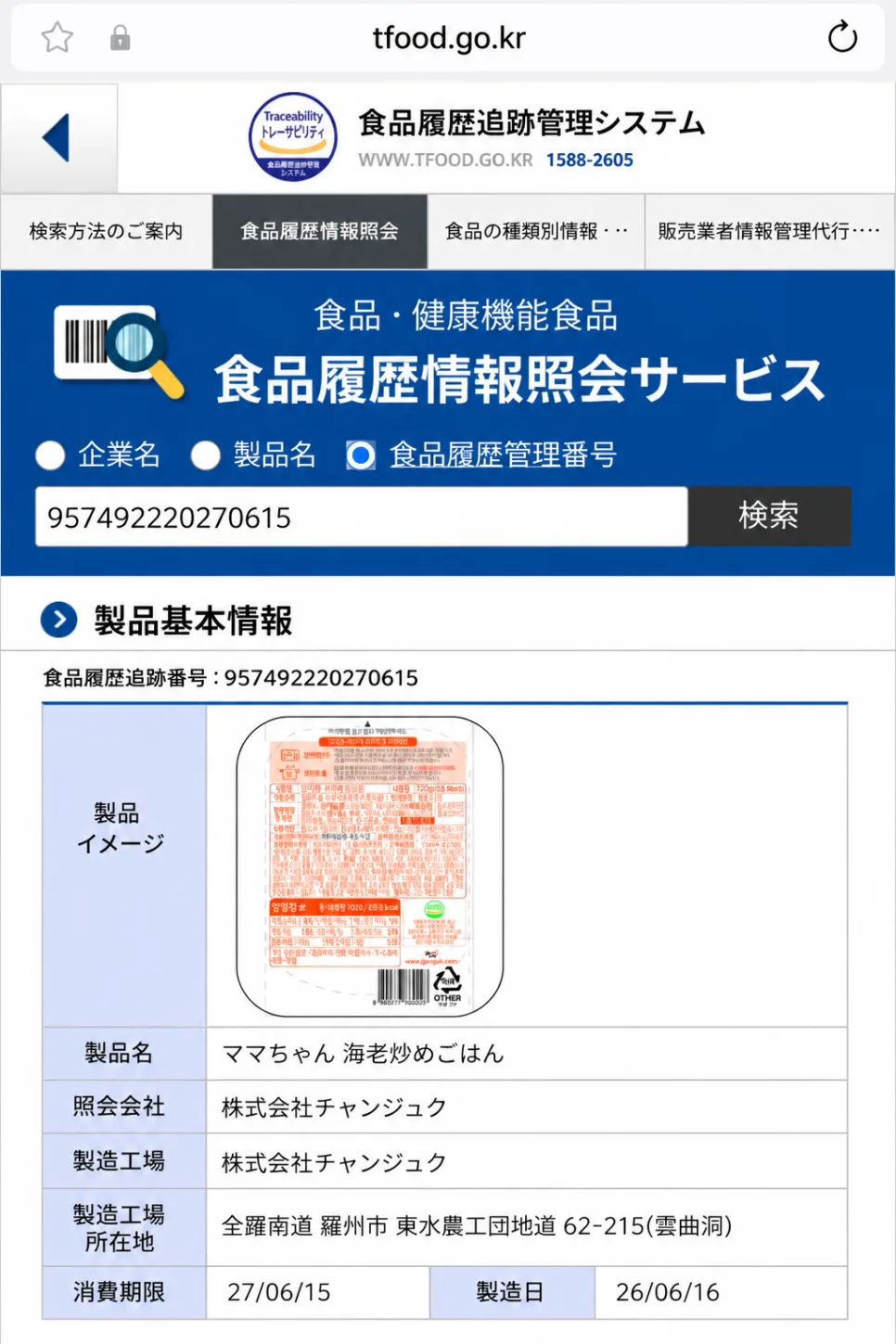
I uploaded the screenshot on the left to GPT and asked it to translate the Korean into Japanese while keeping the format the same, and it did a great job. You can just show that to the quarantine officer.
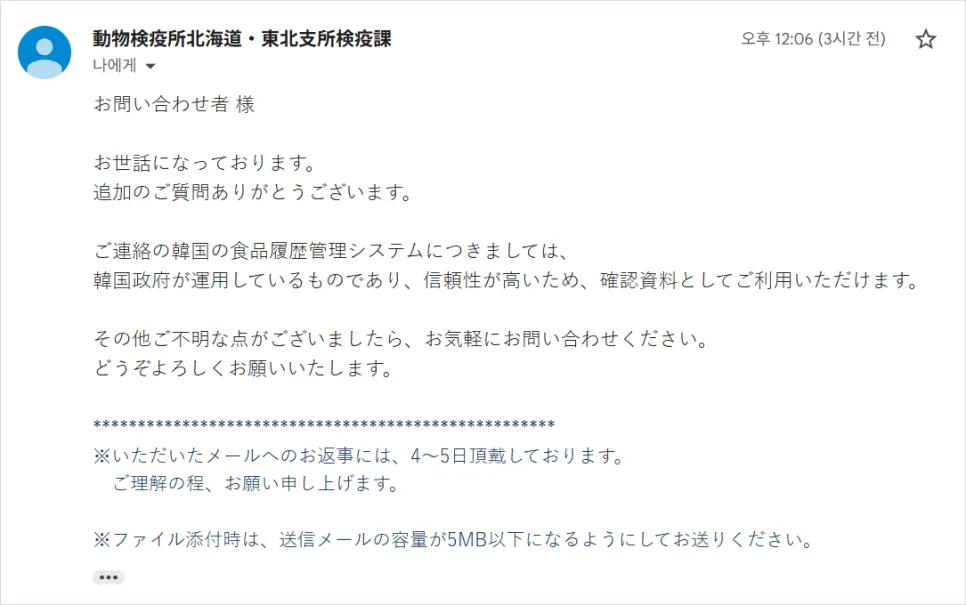
I also asked the Japanese Animal Quarantine Service one more time whether that website screen could be used as supporting documentation. They replied that because it is a system operated by the Korean government, it can be used as proof.
Even if you don’t prepare a GPT-translated version in advance, you could probably use an on-site translation tool like Google Lens and show the translated screen.
Also, if you’re bringing several different kinds of baby food,you should prepare a screenshot for each one.
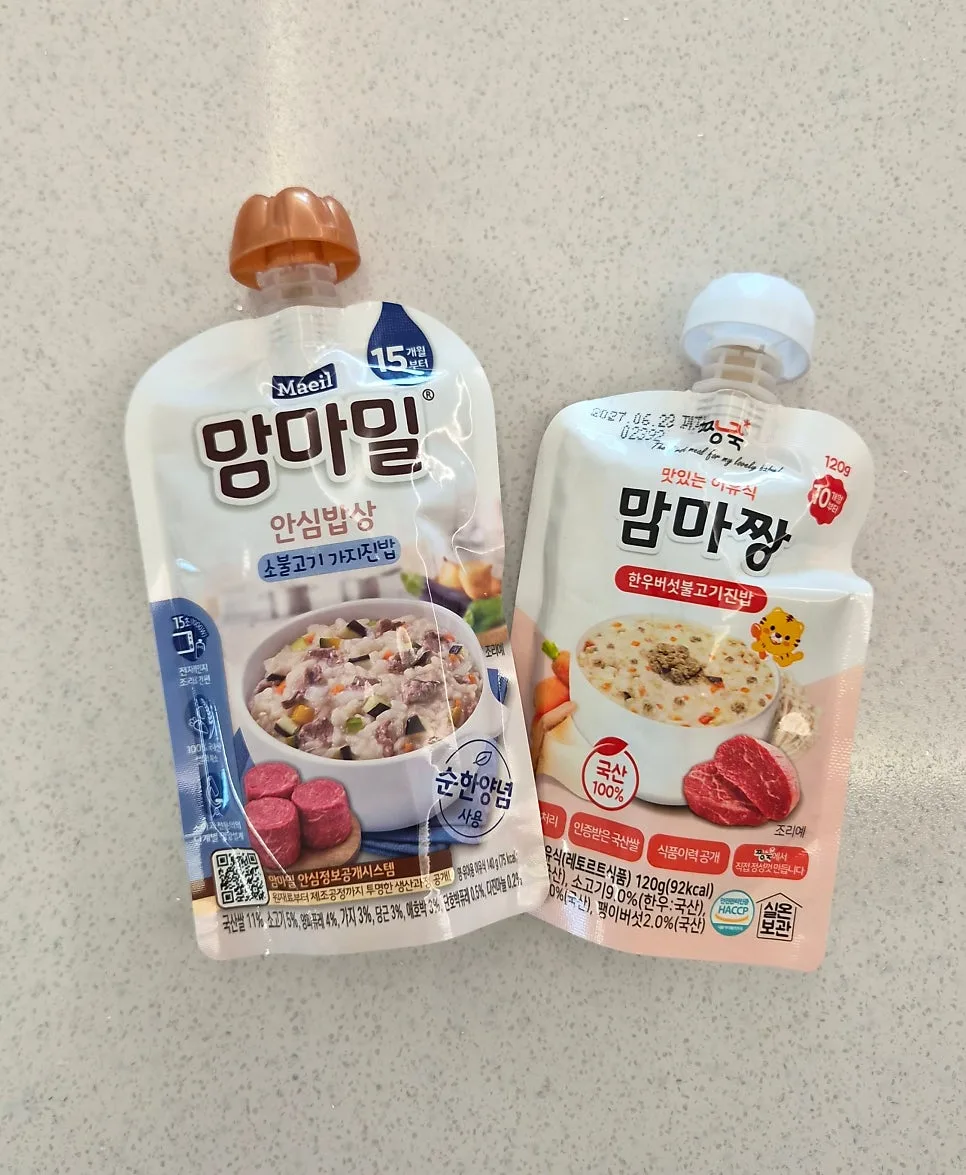
For reference, some brands also mention 12-month storage directly on their product detail pages.
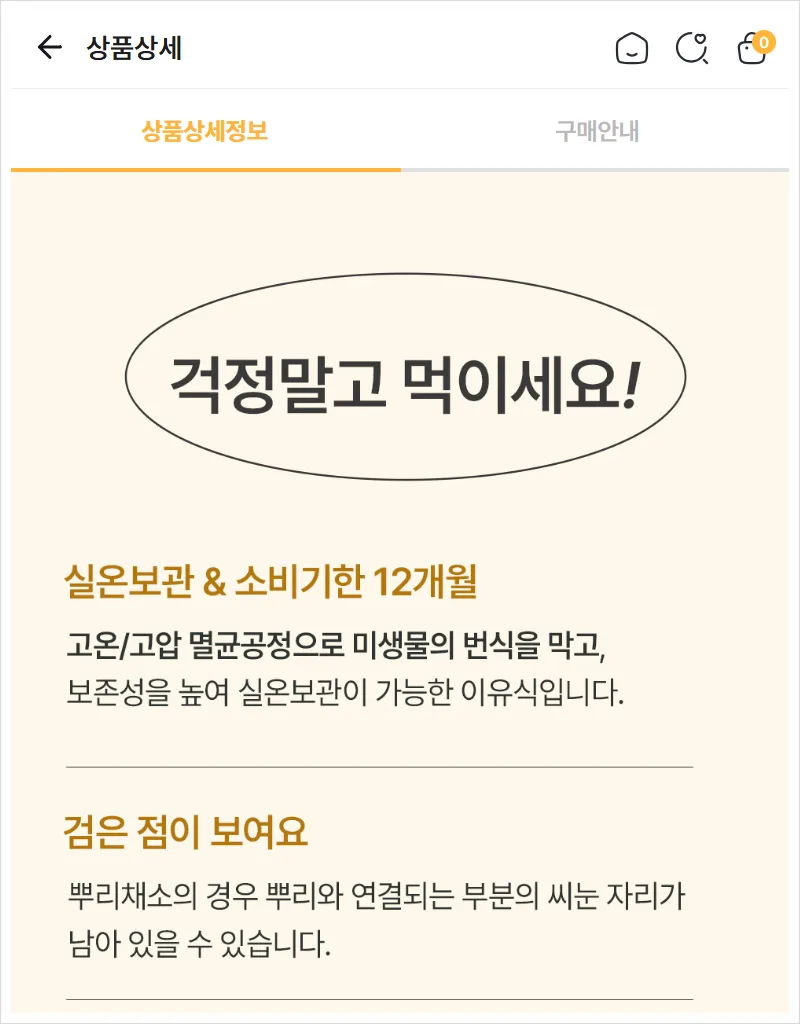
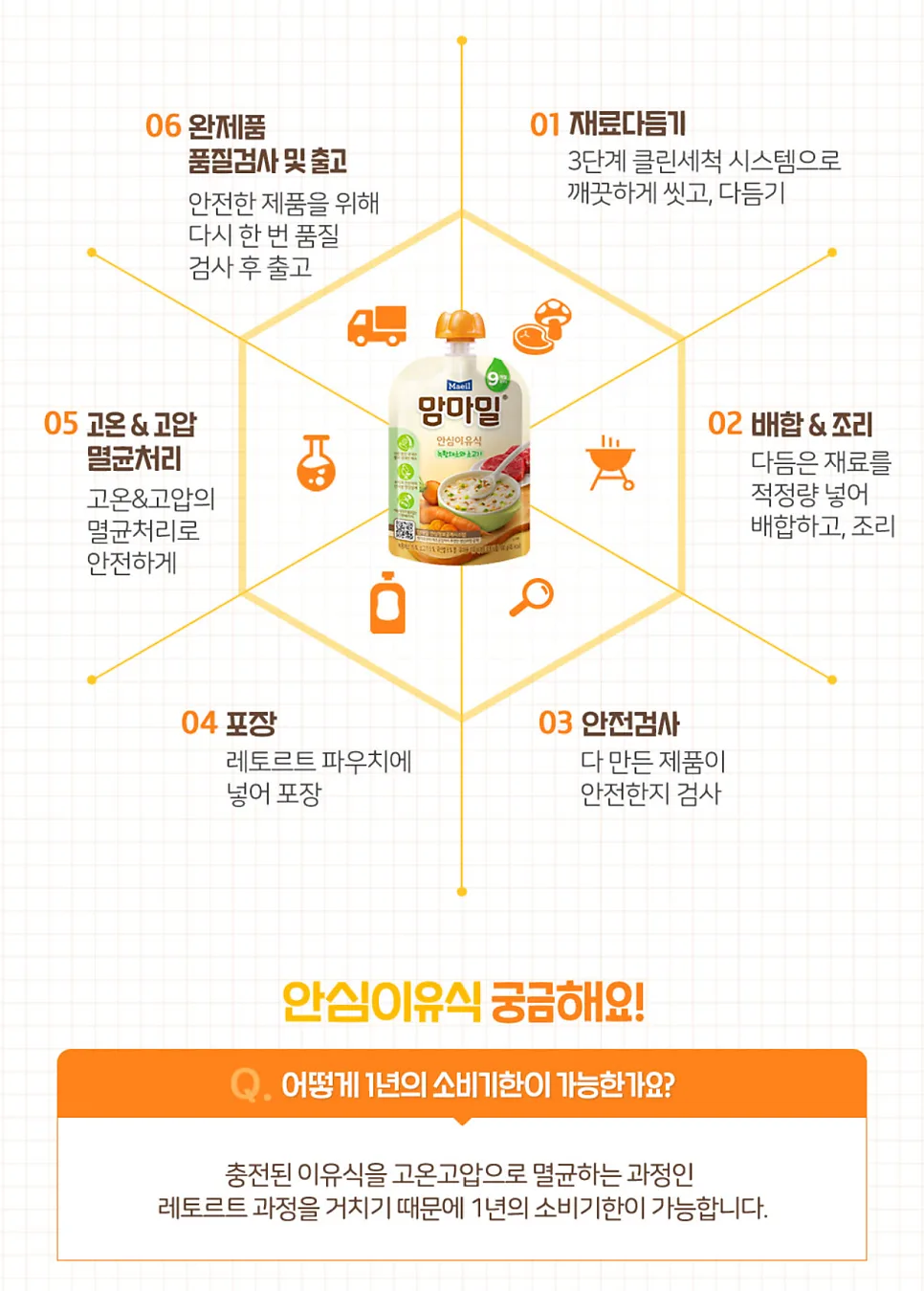
Sangol Baby Food and Mamamil both state on their product pages that the products can be stored for 12 months. That might be enough to get through, but the more reliable option is still the official proof I mentioned above. It’s easy to prepare, so I highly recommend taking screenshots before your trip.
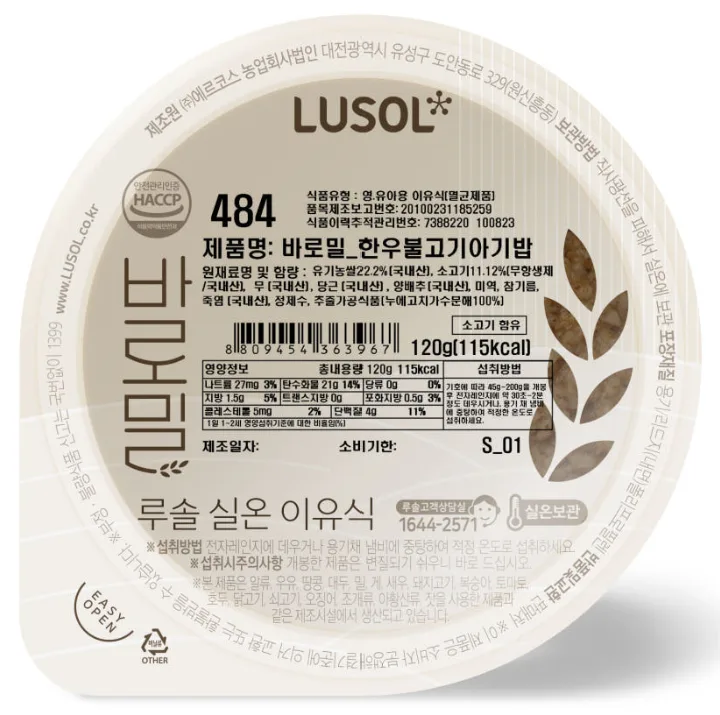
Also, for bowl- or tray-style baby food like this, some products are made with a shelf life of less than 12 months. Lusol Baromill tray-style baby food conveniently prints both the manufacturing date and use-by date right on the package, but the shelf life I saw was only 10 months.
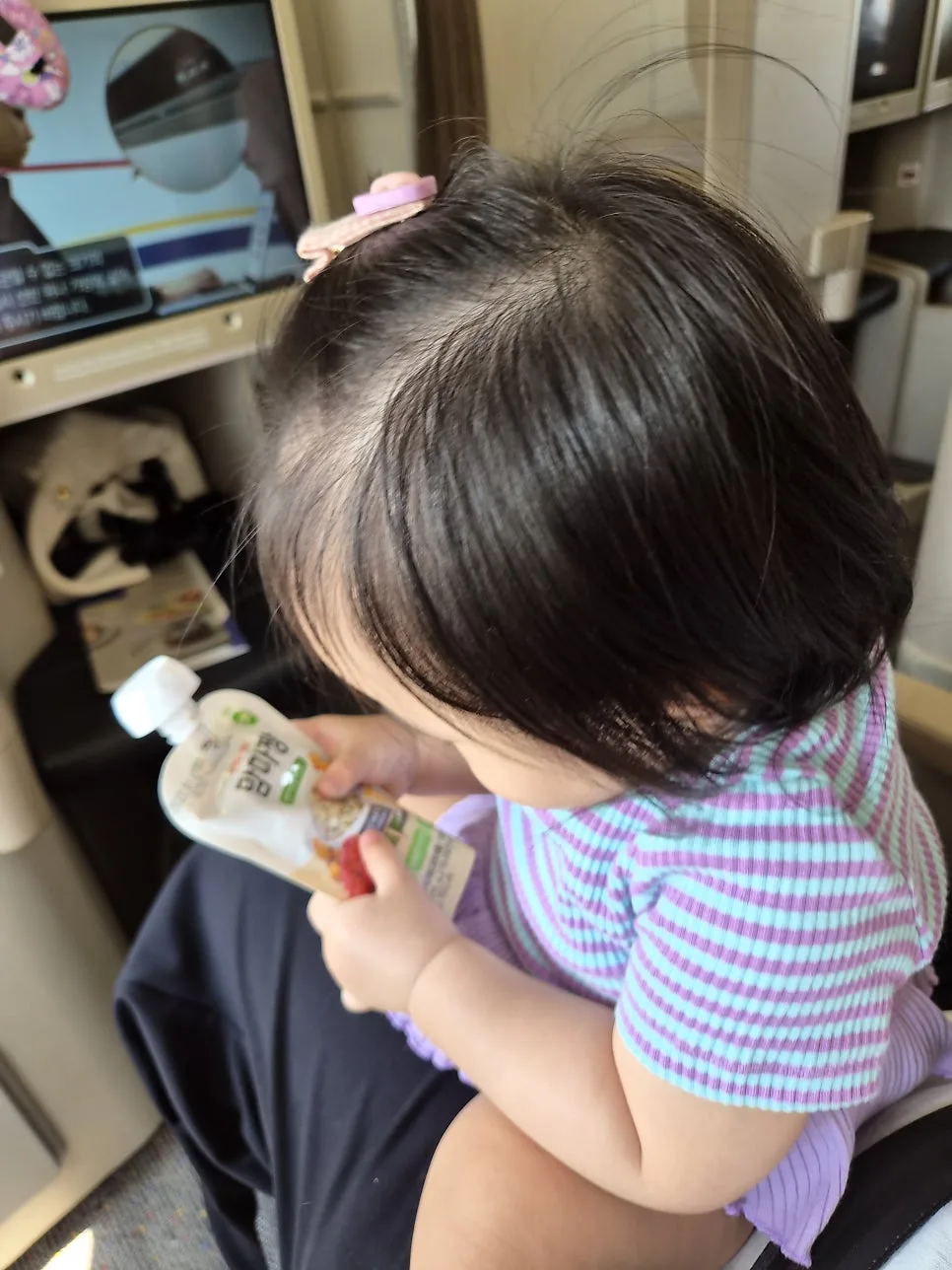
From what I checked, most pouch-style baby foods were close to or over 12 monthsso if possible, I’d recommend bringing pouch-style products rather than tray-style ones. (Jjangjuk’s Mammazzang has a relatively high number of beef-containing options.)
Japan beef baby food import rules: full summary
If you’ve decided to bring in baby food that contains meat, follow these steps:
1. When you fill out Visit Japan Web, you must check that you are carrying meat products. Make sure you enter the quantity accurately too.
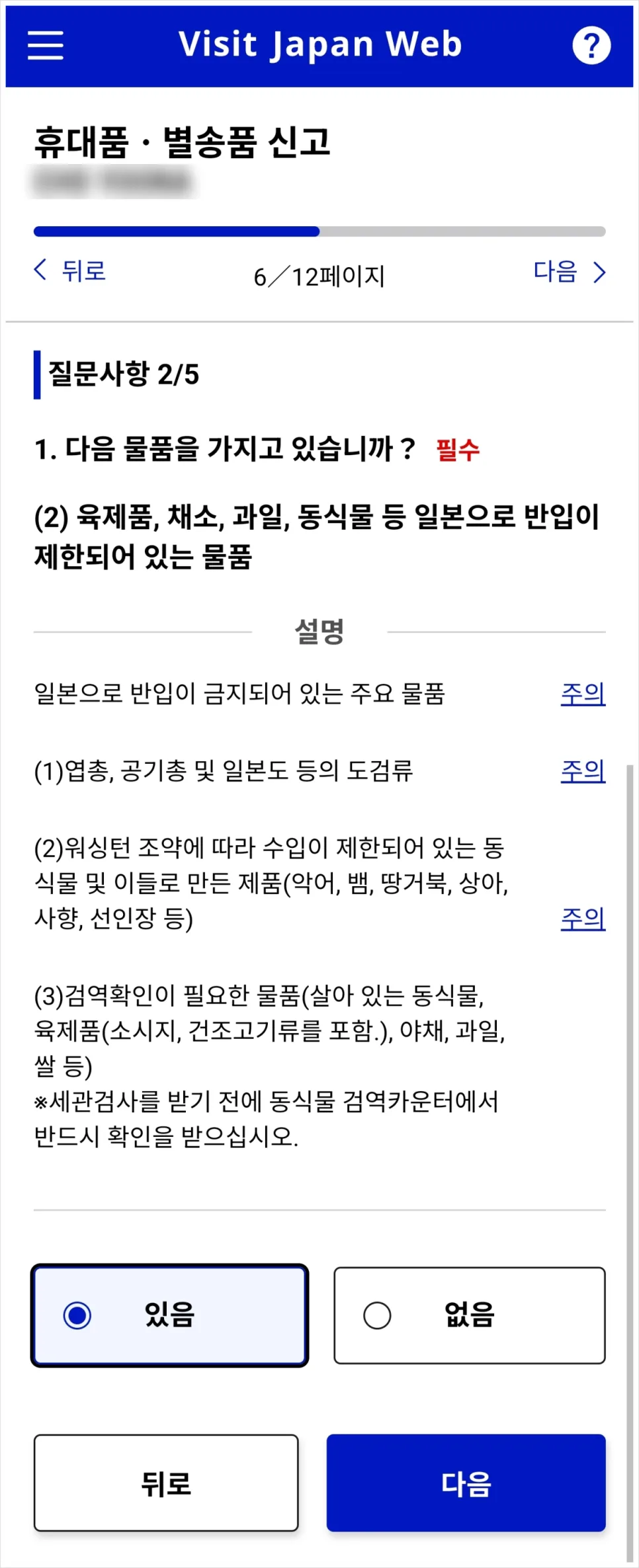
If you bring meat or processed meat products into Japan without declaring them, under Japan’s Act on Domestic Animal Infectious Diseases Control, you may face criminal penalties of up to 3 years in prison or a fine of up to 3 million yen. It’s a very serious law.
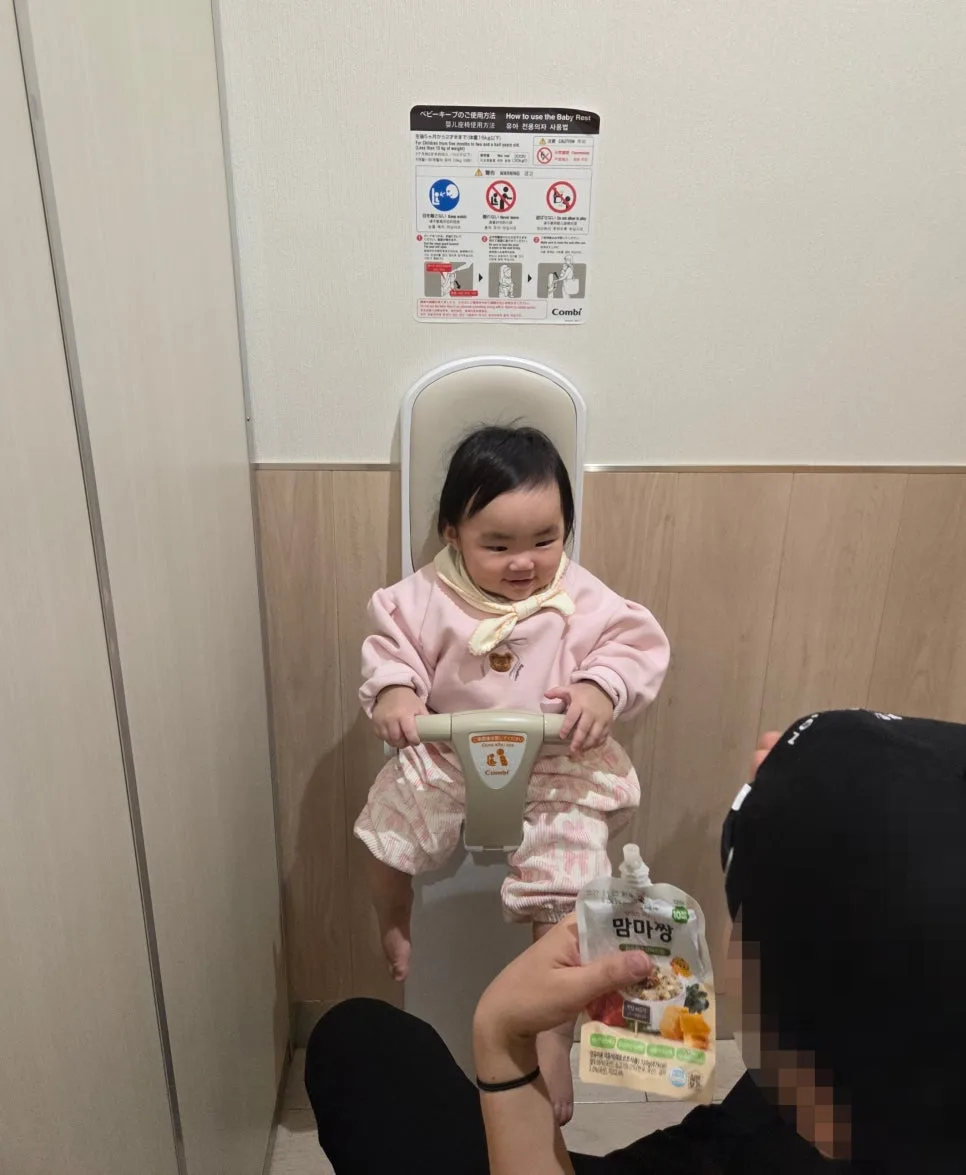
2. Before packing, make absolutely sure the product has a shelf life of at least 12 months. Put most of it in your checked luggage, and only carry a small amount in your cabin bag—just enough for the flight and until you reach your hotel.
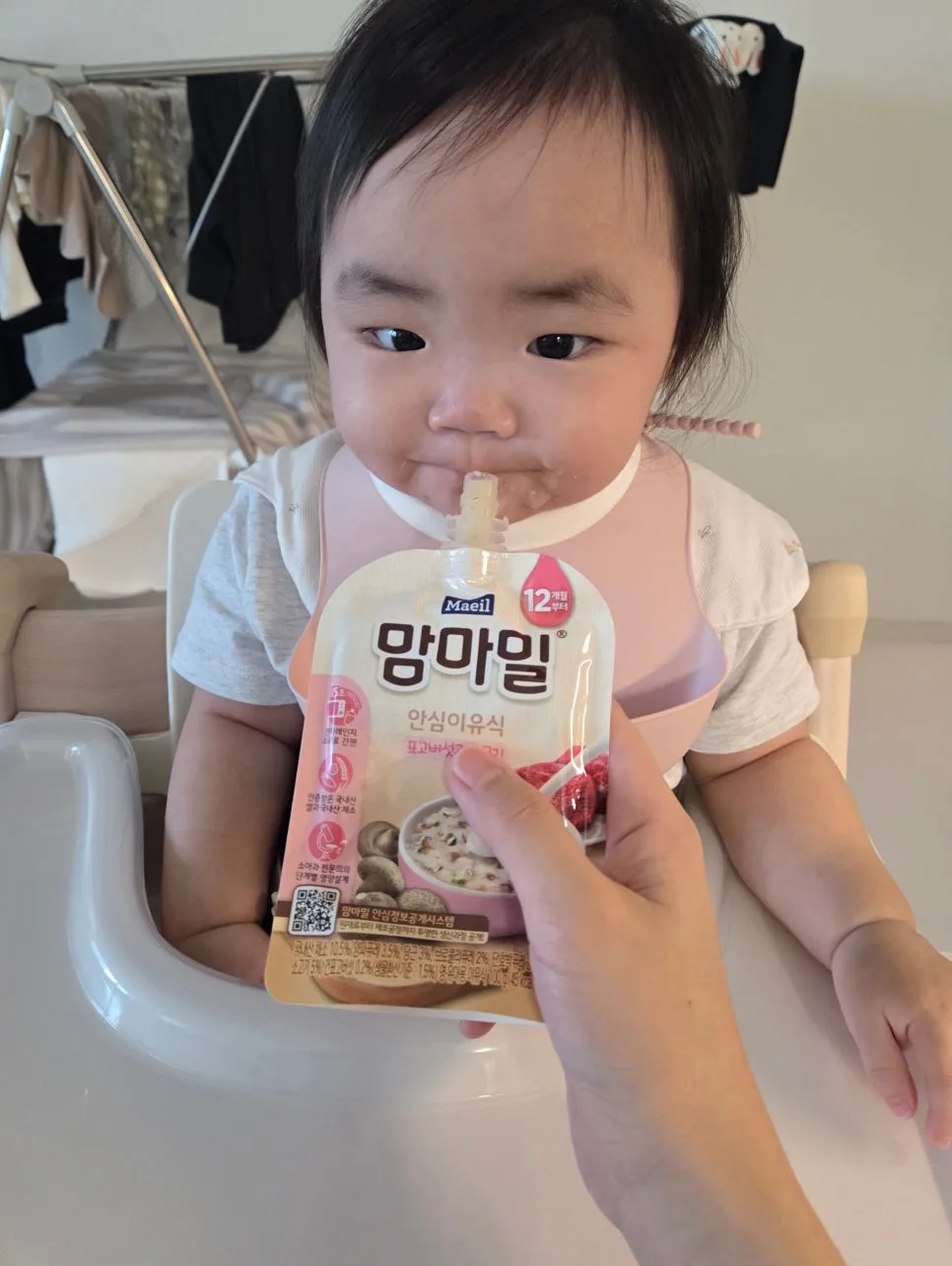
3. After arriving in Japan, once you pick up your bags and scan your Visit Japan Web QR code, you’ll be directed to the customs and quarantine counter because you declared meat products.
Show the officer the supporting documents you prepared for your baby food. If the officer is especially strict, explain that the Food Traceability Management System proof was directly recognized by the Animal Quarantine Service of Japan’s Ministry of Agriculture, Forestry and Fisheries (MAFF).
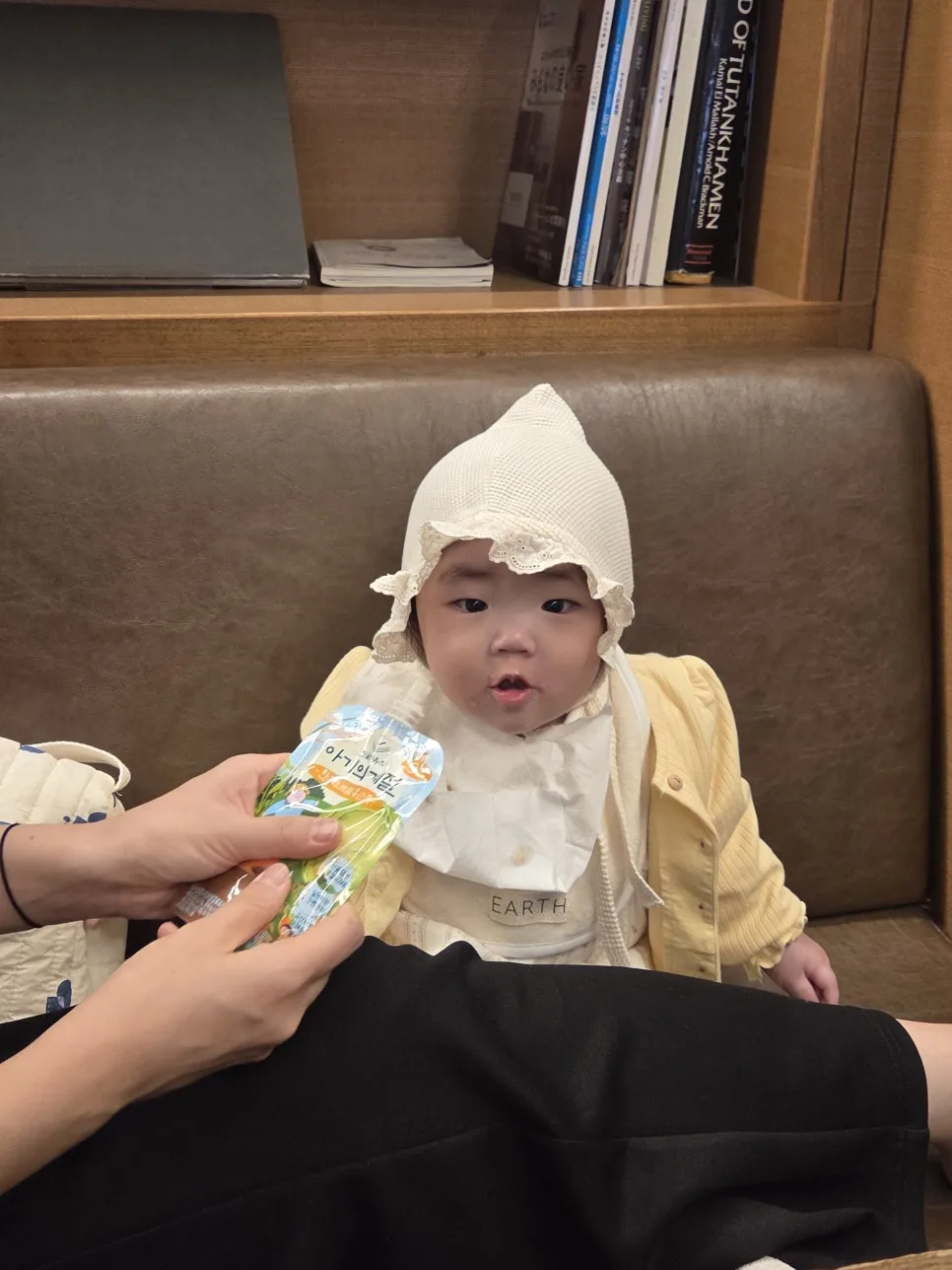
That said, none of the officers I met seemed like they were trying to stop people from bringing things in for no reason. If anything, they seemed willing to help as much as possible. But Japanese officials tend to follow the manual exactly, so don’t expect flexibility. Prepare properly before you go.
4. Feed the baby well and make sure they actually enjoy the baby food. (Important.)
Q&A: frequently asked questions
-
1. Do I need to declare seafood baby food? If it contains only seafood like fish, abalone, or shrimp, you do not need to declare it. But you still need to check whether the ingredients include meat-derived ingredients such as chicken broth or chicken stock.
2. Can I bring homemade meat baby food if I pack it in a sealed container? No. The rule clearly says it must be an industrially manufactured product. Containers like sealed tubs or zip bags can still be opened and resealed, so they do not qualify.
3. What happens if I declared meat products but didn’t prepare supporting documents? If you declared them, customs will most likely just confiscate the baby food and that’s the end of it. If you didn’t declare them, and you’re unlucky, you could be penalized.
I spent a lot of time researching this myself and even contacted the Japanese government to confirm it, so I’d really appreciate it if people didn’t copy this post wholesale. Anyway, I hope you have an amazing trip to Japan with your baby.